Introduction
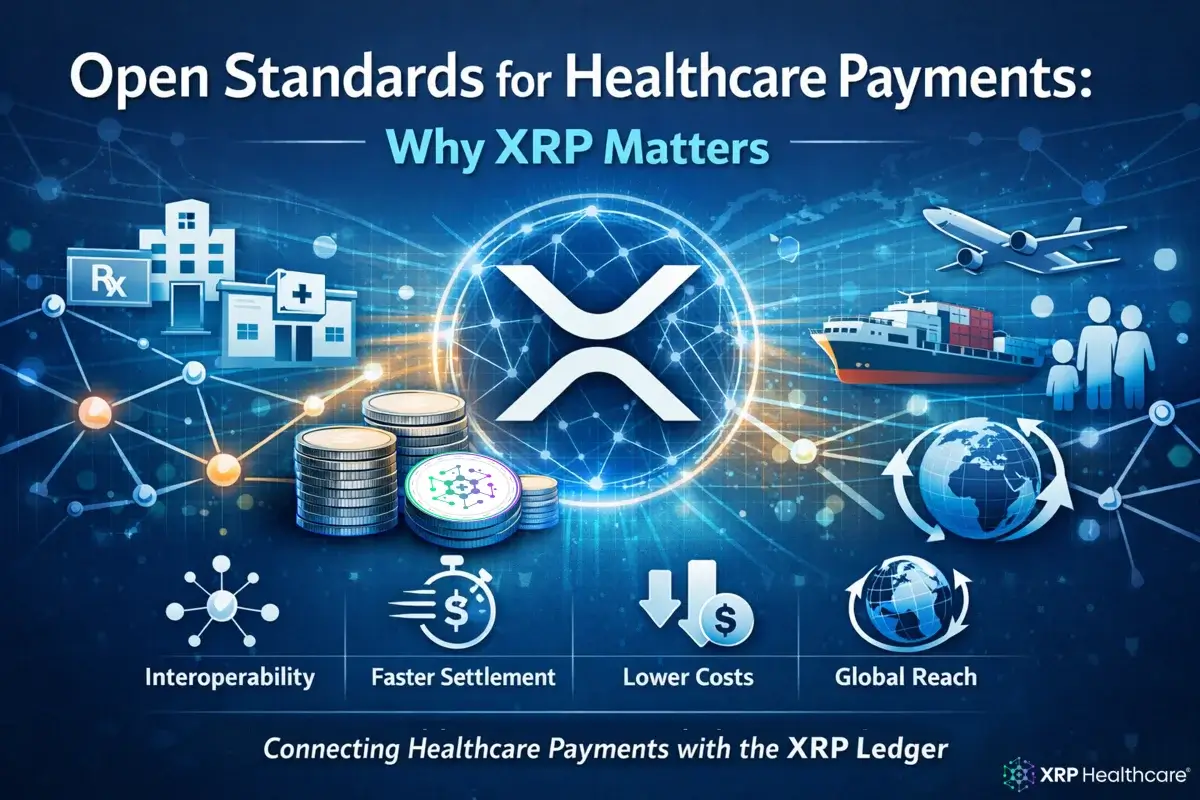
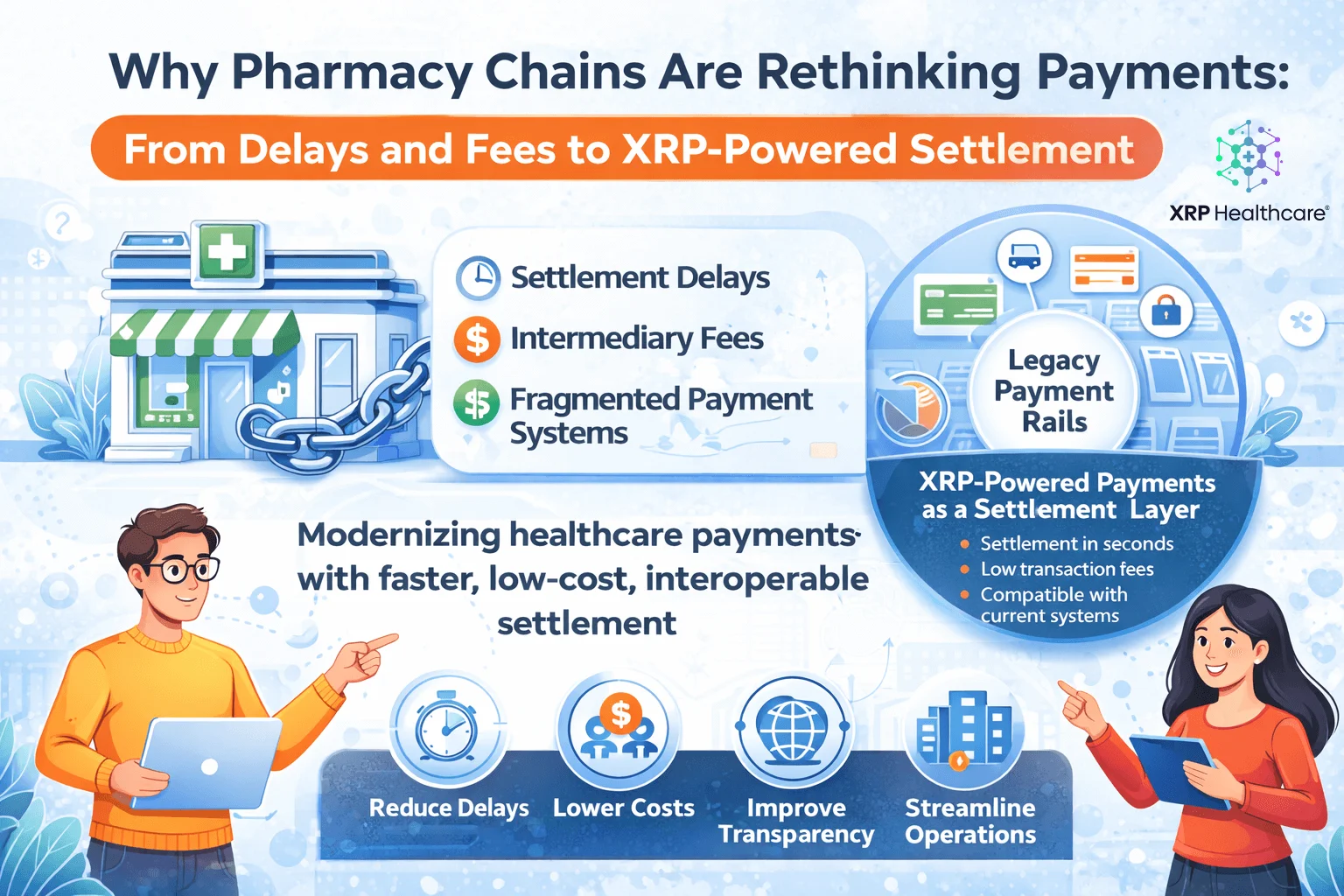
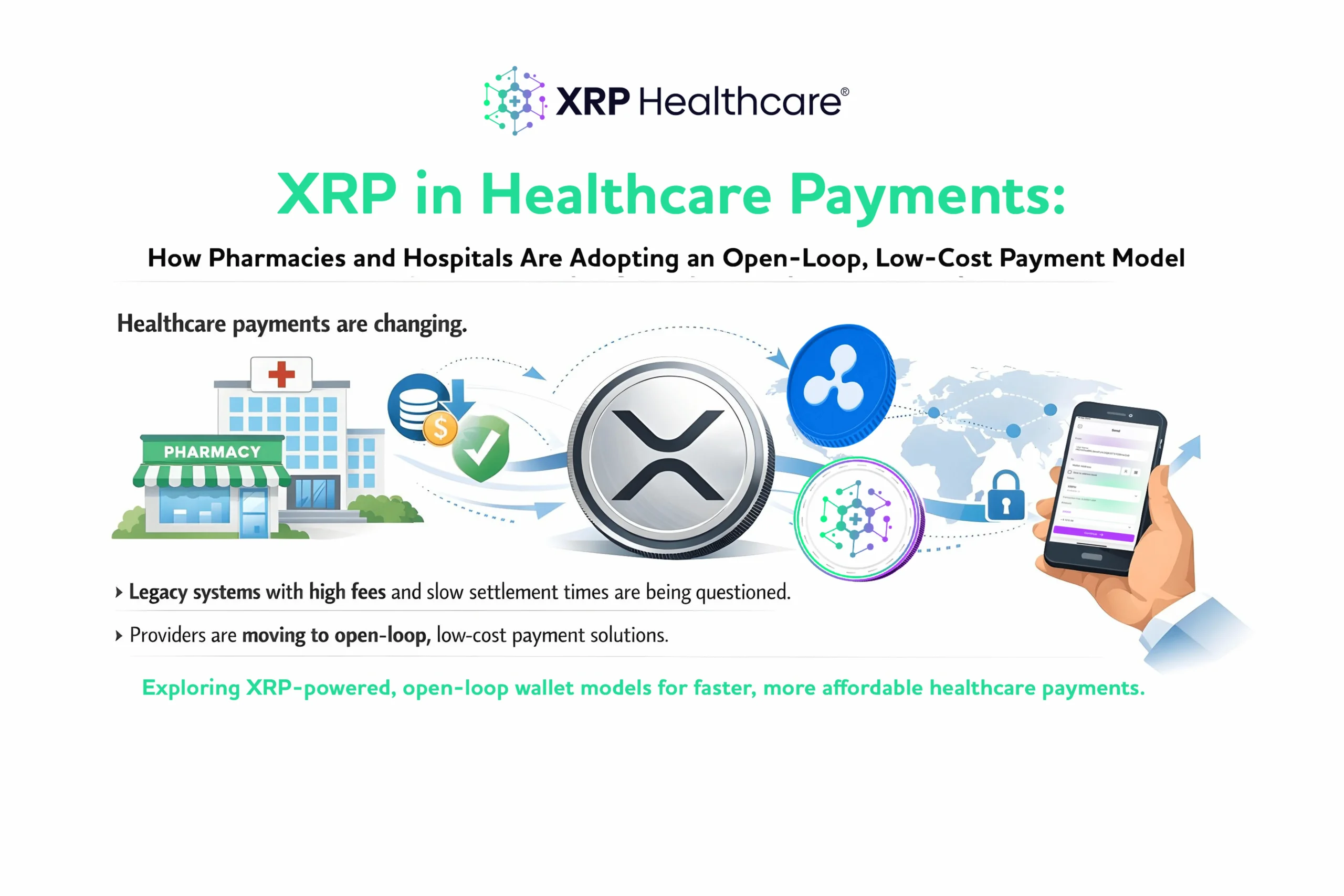
Modern healthcare finance systems demand speed, security, transparency, and automation. Traditional payment infrastructure often struggles with slow settlements, manual reconciliation, and high costs, especially across providers, insurers, patients, and suppliers.
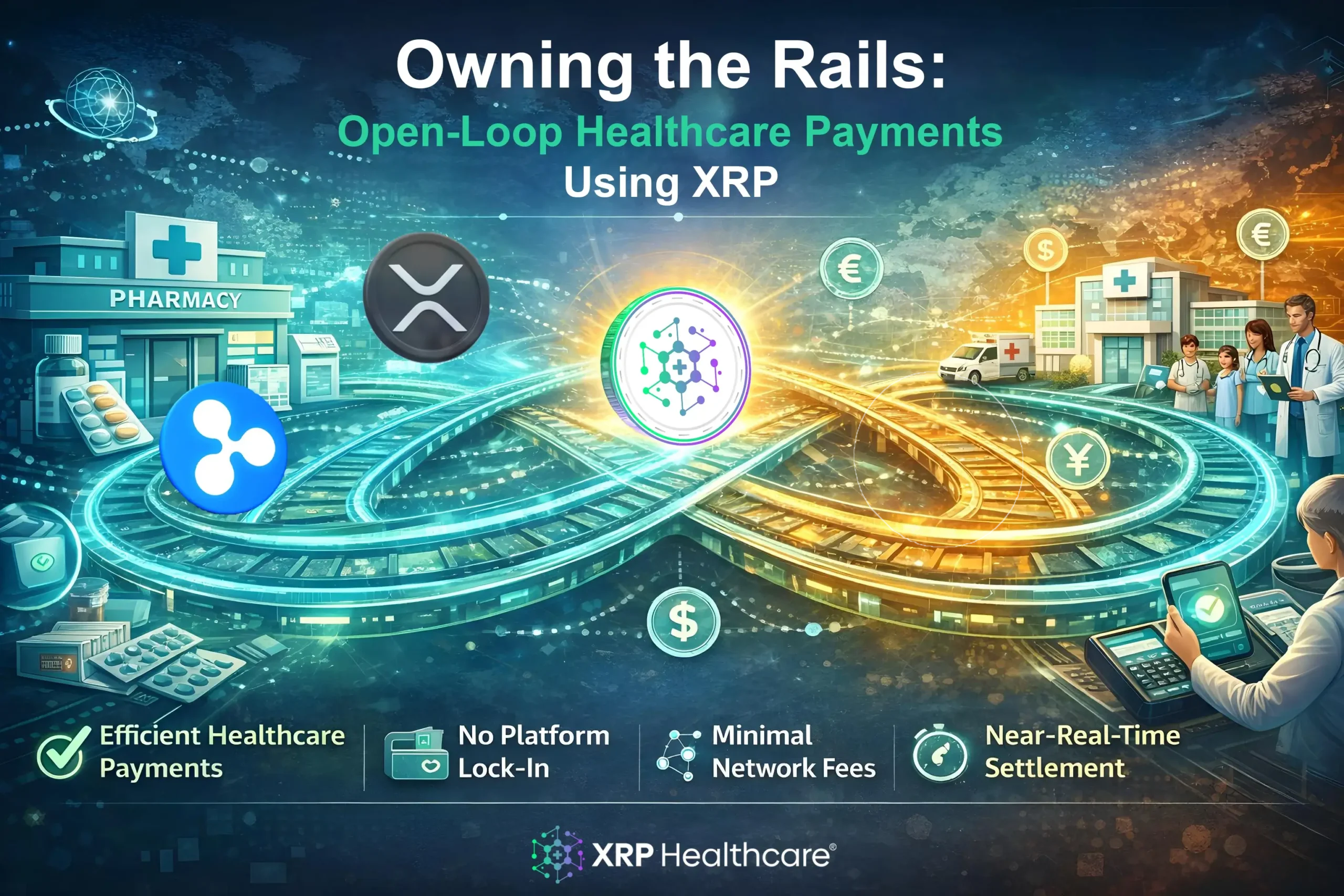
Blockchain technology, particularly the XRP Ledger (XRPL), offers smart payment features that can support these needs. When combined with the XRPH token, XRPL enables scalable, transparent, and efficient payment flows suited for complex healthcare environments.
This article explains how XRPL’s smart payment capabilities support XRPH and strengthen blockchain-powered healthcare finance systems.
Understanding the XRP Ledger (XRPL)
The XRP Ledger is a decentralized, open-source blockchain optimized for payments, interoperability, and high transaction throughput. It uses a consensus mechanism known as the Ripple Protocol Consensus Algorithm (RPCA), which allows transactions to settle in seconds without energy-intensive mining.
Key characteristics include:
- Fast settlement finality (typically seconds)
- Low transaction costs
- High throughput
- Decentralized validation
These traits make the XRP Ledger suitable for use cases involving digital payments, including healthcare financial transactions.
(Source: XRPL Official Docs– https://xrpl.org/)
What Is the XRPH Token?
The XRPH token is a utility token issued on the XRPL by XRP Healthcare LLC, with a fixed total supply and the issuing account permanently disabled. XRPH is designed for transactional utility, supporting payments, settlement workflows, and related features in real-world systems rather than speculative trading.
More information on XRPH can be found at:
🔹 https://xrphtoken.com/
🔹 https://www.xrphealthcare.ai/
Smart Payment Features of XRPL Supporting XRPH
Fast Settlement and Transaction Finality
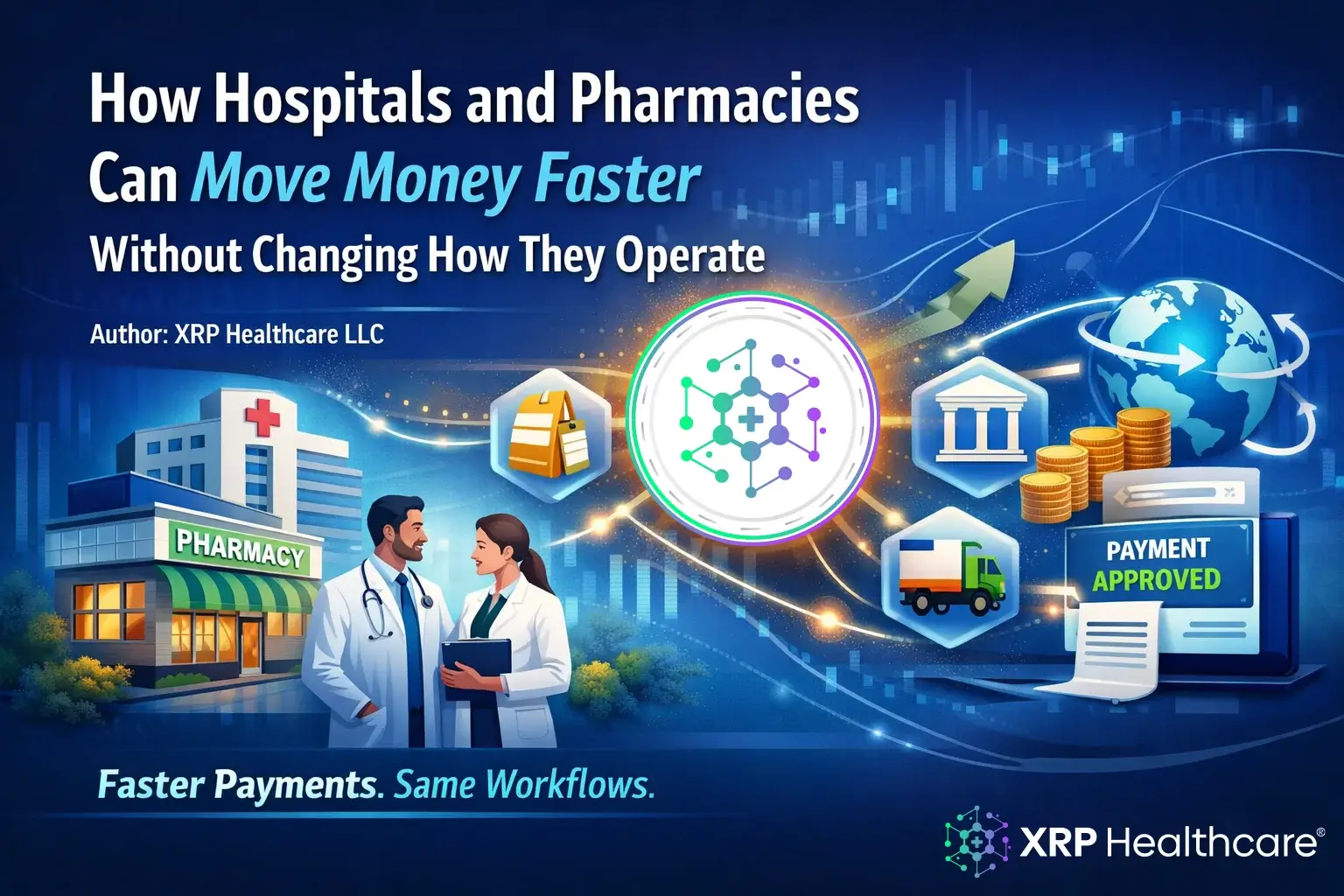
One core advantage of XRPL is near-instant settlement, transactions are validated and finalized in seconds rather than hours or days, as with traditional banking systems.
This is crucial when XRPH is used for:
- Provider payments
- Patient billing settlements
- Supplier or vendor invoice transfers
Fast settlement ensures all parties in the healthcare ecosystem can access funds quickly and reduce liquidity risk.
Built-In Decentralized Exchange (DEX)
The XRP Ledger includes a built-in decentralized exchange, which allows users to interact directly with different tokens and assets without external intermediaries.
For XRPH, this means:
- Seamless conversion between XRPH and other XRPL assets
- Liquidity support within the ecosystem
- Token settlement without third-party exchange delays
This DEX capability supports payment flexibility and helps maintain interoperability across assets used in healthcare financial systems.
Multi-Asset Support and Issued Currencies
XRPL supports multiple issued currencies, including custom tokens like XRPH and stable assets. This allows healthcare platforms to:
- Accept multiple ledger assets for settlement
- Enable payment choice flexibility for patients or providers
- Maintain consistent value flows even in global environments
Multi-asset support aligns with the needs of healthcare users who require choice, consistency, and predictable settlement dynamics.
Escrow and Conditional Payments
The XRP Ledger supports escrow features, allowing payment conditions to be defined programmatically. Payments can be held until specific conditions are met, such as:
- Completion of healthcare service
- Confirmation of insurance claim settlement
- Verification of delivery for supplier invoices
This conditional payment capability creates automated and trustless workflows that reduce manual oversight and errors.
Payment Channels for Micro-Transactions
XRPL offers payment channels, which allow fast, off-ledger micro-transactions between two parties. This feature is ideal for high-frequency or recurring payments.
For healthcare, payment channels can support scenarios such as:
- Subscription-based patient services
- Incremental supplier billing
- Automated recurring provider payouts
Payment channels help scale XRPH utility to high-volume transaction flows.
Memo Fields for Reconciliation
XRPL transactions support memo fields that allow users to attach additional structured data to a payment.
This is especially useful in healthcare finance because memos can include:
- Invoice IDs
- Service codes
- Billing references
By embedding metadata directly in XRPH payments, reconciliation becomes more efficient and less error-prone, reducing manual cross-checking.
Integration With the XRPH Wallet
The XRPH Wallet securely holds and transfers XRPH along with other XRPL assets using a non-custodial design. Wallet integration supports smart payment features by:
- Allowing users to attach structured memos
- Enabling conditional and automated payment workflows
- Providing secure key control (non-custodial model)
More about XRPH Wallet features at:
🔹 https://xrphtoken.com/
This wallet design supports XRPL’s smart payment features and makes them accessible to real-world healthcare payers and providers.
Real-World Healthcare Payment Use Cases
Automated Provider Settlements
Healthcare providers can integrate XRPL smart payment features to automate settlements after confirming service completion. Escrow and memo fields help structure these workflows, improving speed and reducing manual steps.
Patient Billing and Reconciliation
Patients can receive itemized billing statements that correspond to XRPH payments with linked memo fields, improving reconciliation accuracy and transparency across systems.
Cross-Border and Multi-Asset Payments
Global healthcare systems benefit from XRPL’s multi-asset support and decentralized exchange by settling XRPH alongside XRP or other stable ledger assets with minimal friction.
Transparency and Auditability
XRPL records blockchain transactions immutably, meaning no one can alter them once they are finalized. This provides a transparent and verifiable record of XRPH transactions, aiding auditing, compliance, and dispute resolution.
Research on blockchain benefits in financial systems (including audit and transparency) can be found here:
👉 Investopedia- Blockchain Explained
https://www.investopedia.com/terms/b/blockchain.asp
Security Considerations
While XRPL’s smart payment features enhance settlement speed and workflow automation, they do not replace existing regulatory frameworks such as HIPAA or financial compliance requirements. Instead, they support secure financial trails without storing sensitive patient health information on-chain.
Healthcare systems must combine blockchain records with secure off-chain systems to maintain compliance.
Conclusion
The XRP Ledger’s smart payment features, including fast settlement, decentralized exchange, multi-asset support, escrow capabilities, payment channels, and memo data fields, provide robust infrastructure for the XRPH token to support decentralized healthcare payment systems. Together, XRPL and XRPH help healthcare organizations achieve faster, transparent, and scalable payment workflows while maintaining secure reconciliation and interoperability, essential elements for modern healthcare financial operations.