Introduction
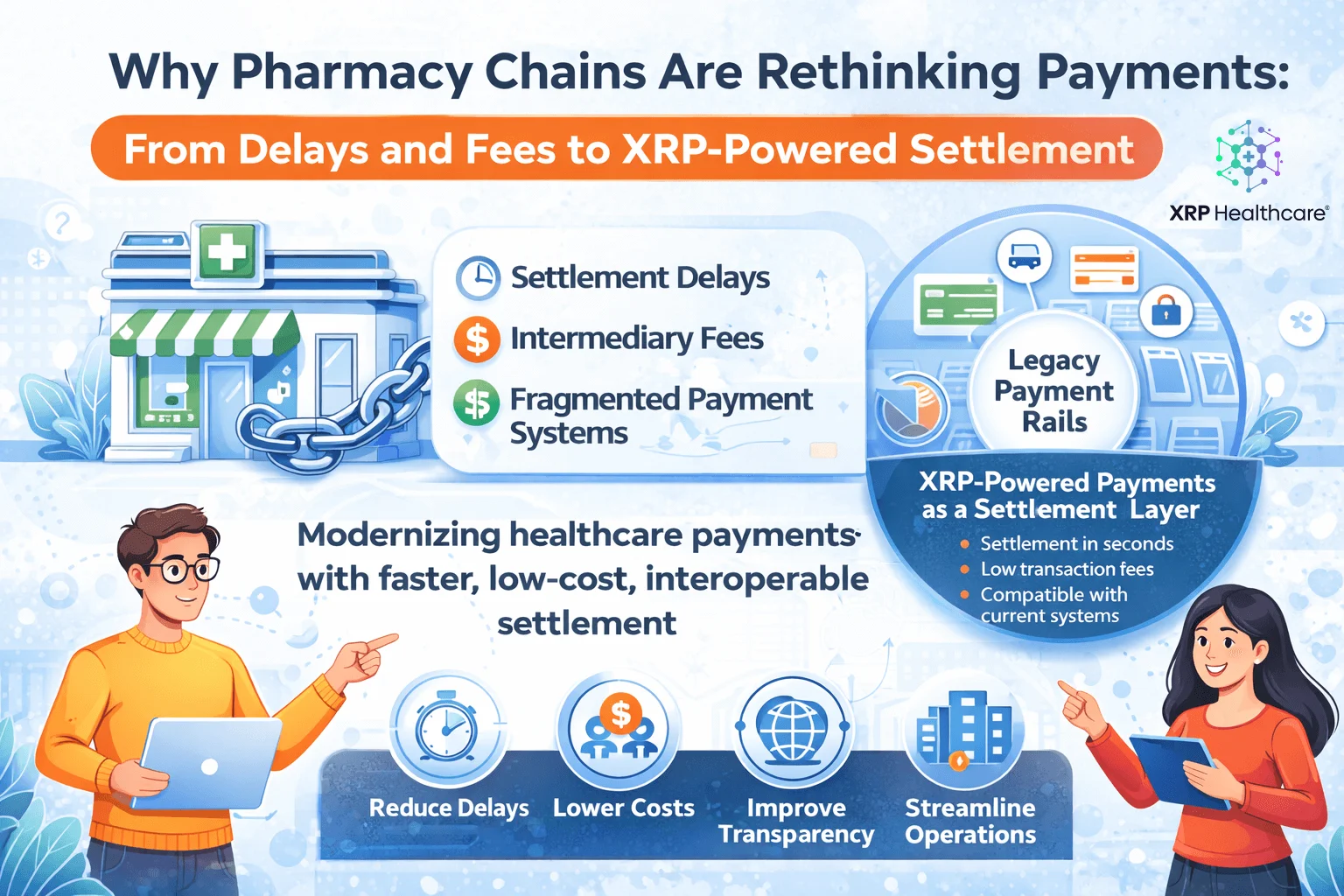
The global healthcare industry processes trillions of dollars annually, covering patient payments, provider settlements, supplier invoices, and cross-border transactions. Traditional financial systems often struggle with delayed settlements, high fees, and complex reconciliation, creating inefficiencies across the healthcare ecosystem.
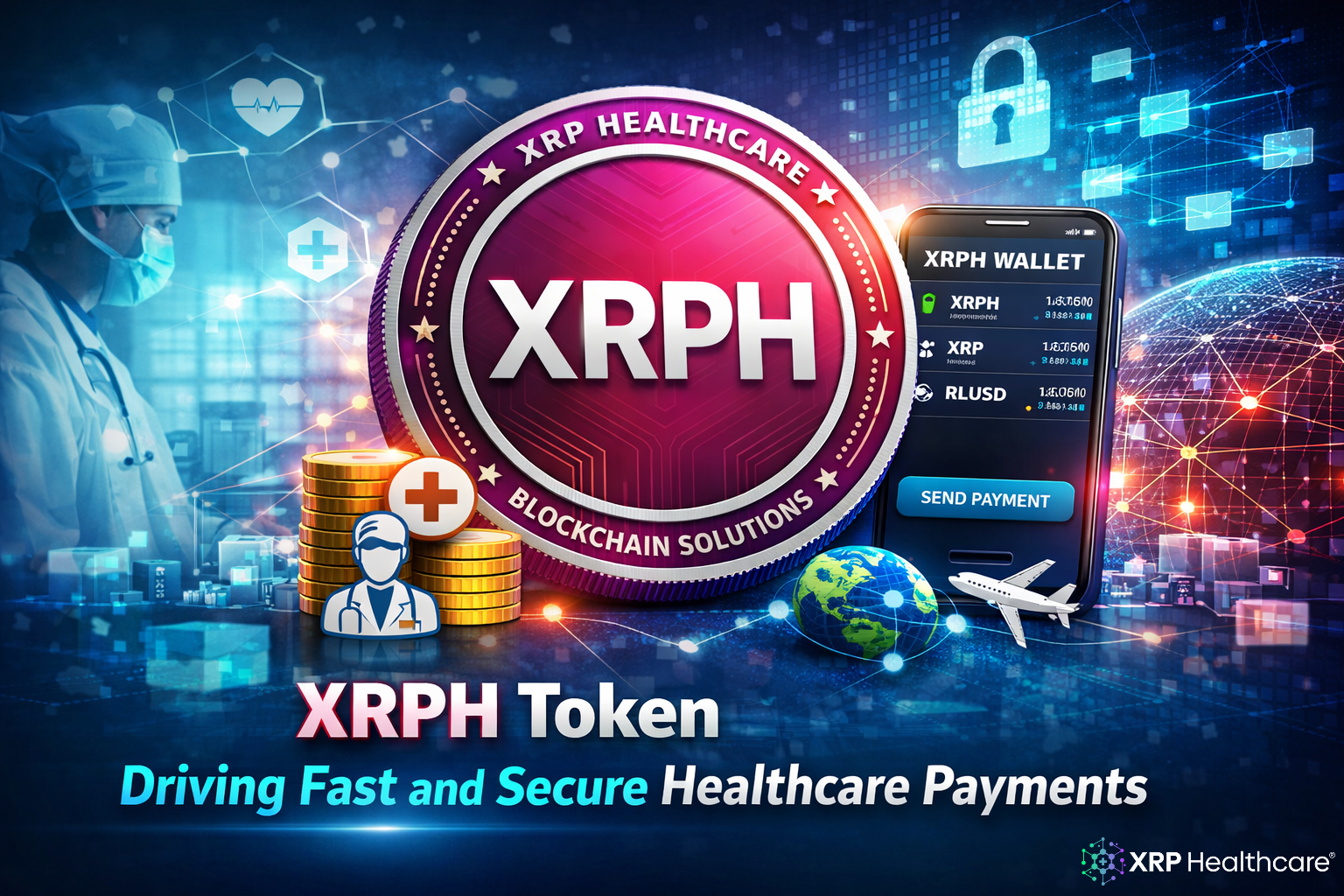
The XRPH token, built on the XRP Ledger (XRPL), addresses these challenges by enabling fast, secure, and low-cost healthcare payments. It functions as a utility token, facilitating real-world transactions rather than serving as a speculative asset.
This article explores the primary use cases of XRPH in healthcare payments and how it contributes to a modern, blockchain-based financial infrastructure.
Understanding the XRPH Token
The XRPH token is a utility asset issued on the XRP Ledger by XRP Healthcare LLC. It complements other XRP Ledger assets, including XRP and regulated stablecoins like RLUSD. The token has a fixed total supply of 100 million, with the issuing account permanently disabled to prevent additional issuance.
XRPH is designed for operational and transactional use in healthcare payments, supporting faster settlements, wallet integration, and ecosystem incentives. It is not a security or investment instrument.
Official XRPH resources:
Why the XRP Ledger Is Ideal for Healthcare Payments
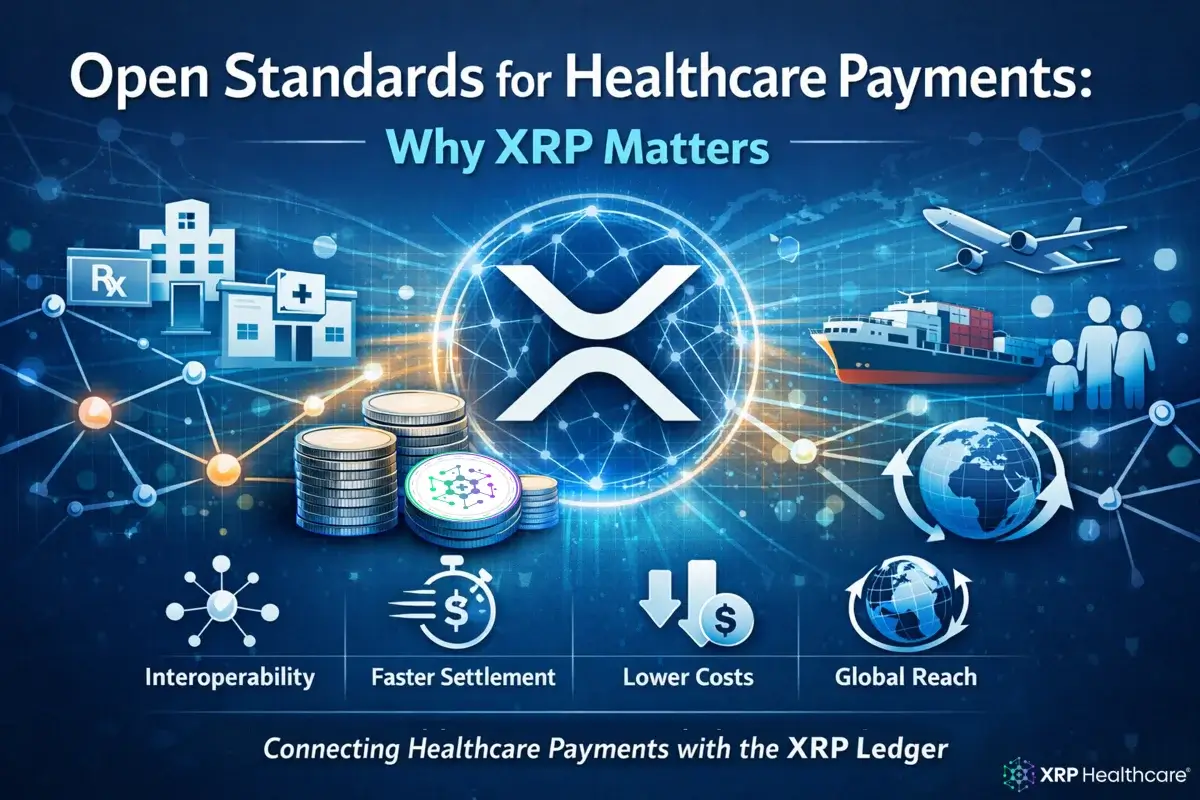
The XRP Ledger (XRPL) provides key features that make it particularly suited for healthcare payments:
- Fast settlement: Transactions typically finalize in 3–5 seconds
- Low fees: Predictable, minimal transaction costs
- Scalability: High throughput suitable for enterprise-level payments
- Energy efficiency: Environmentally responsible consensus mechanism
These characteristics allow XRPH to streamline payments for healthcare providers, patients, and suppliers, especially in high-volume and cross-border contexts.
(Source: XRPL Overview)
Instant Patient-to-Provider Payments
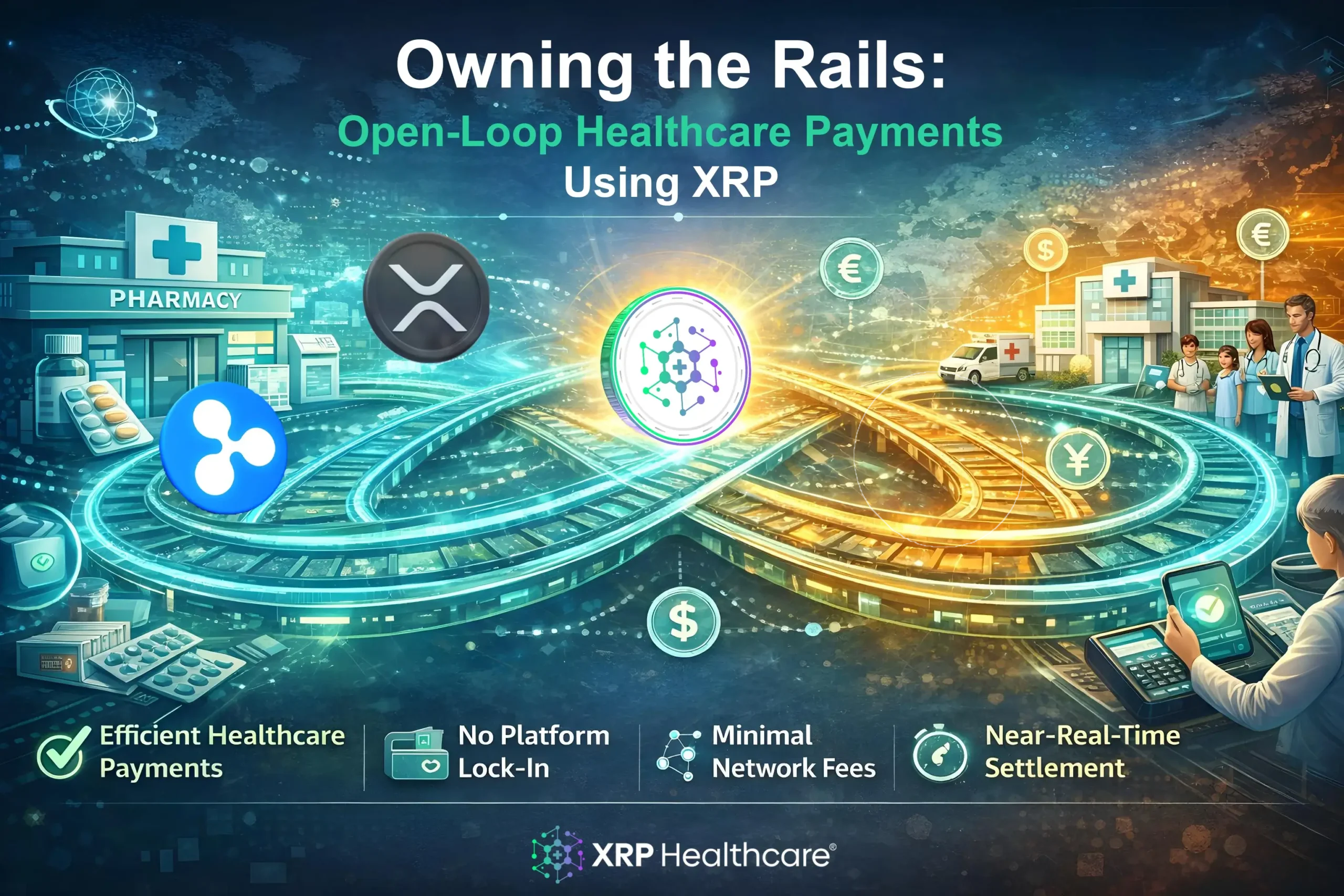
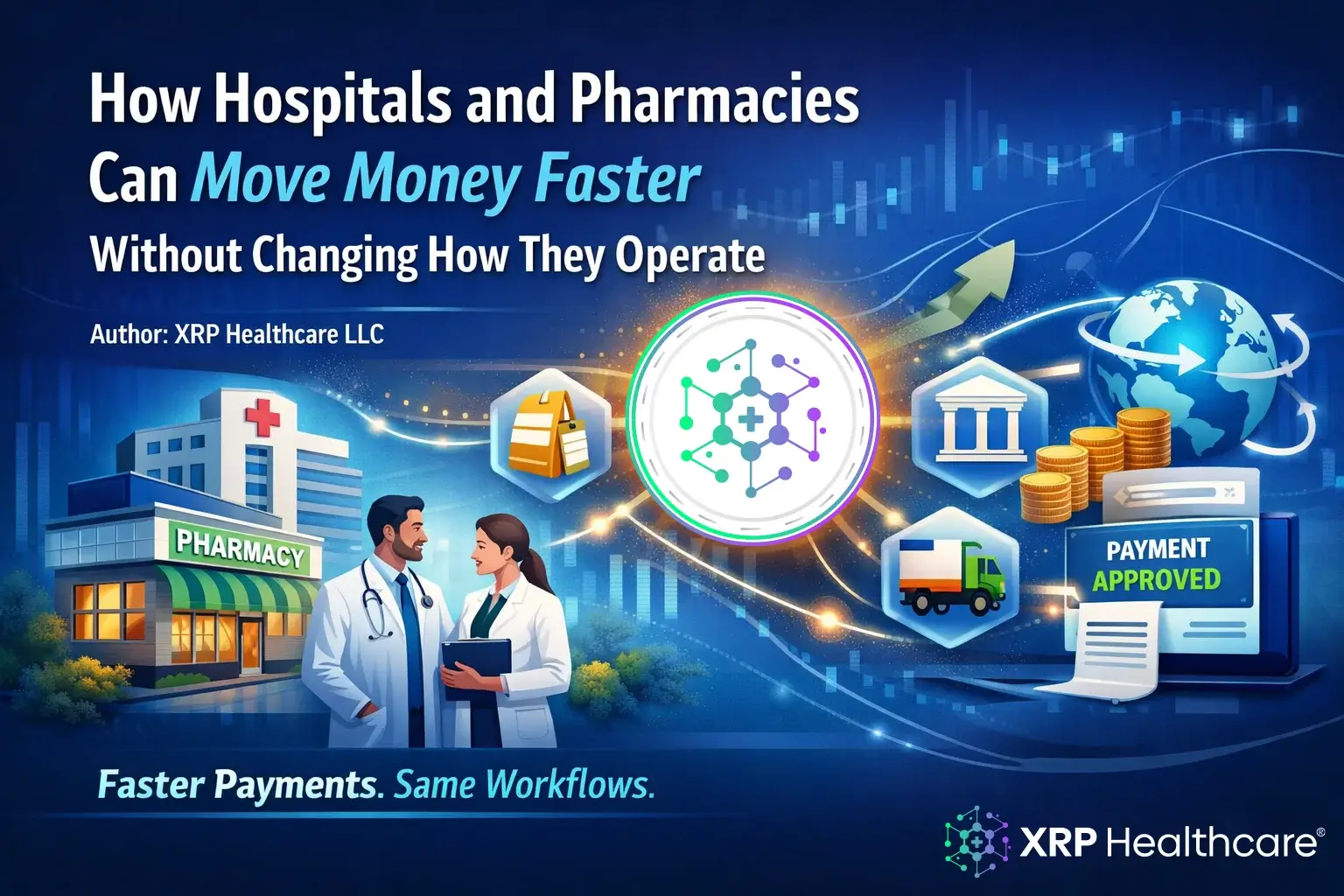
One of the most immediate applications of XRPH is real-time patient payments to healthcare providers, including clinics, pharmacies, and labs. Using the XRPH Wallet, patients can send payments that settle within seconds, bypassing traditional banking delays.
Benefits for Providers
- Immediate access to funds
- Reduced dependency on payment processors
- Improved cash flow for smaller providers
Wallet-Based Billing and Reconciliation
The XRPH Wallet is non-custodial, giving users full control of their funds. It also integrates features to simplify billing and reconciliation:
- Invoice references: Attach internal invoice IDs to transactions
- Automated reconciliation: Reduces manual accounting and errors
- Secure data handling: No sensitive patient information is stored on-chain
This allows healthcare organizations to maintain efficient accounting workflows while leveraging blockchain transparency.
More information: XRPH Wallet Features
Cross-Border Healthcare Payments
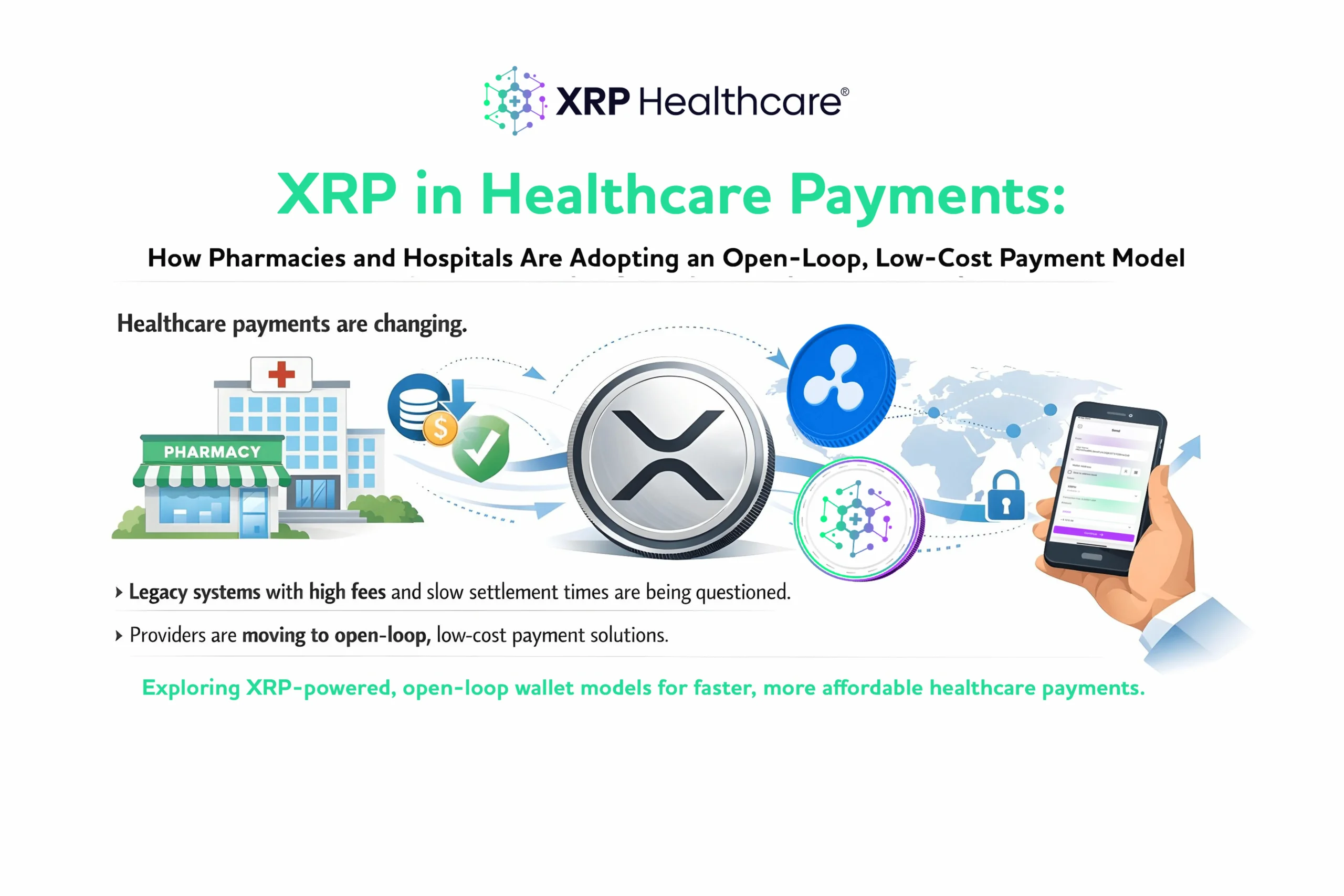
Healthcare payments often need to move internationally. Traditional cross-border banking introduces delays, fees, and currency conversion challenges.
XRPH enables borderless transfers with low fees and near-instant settlement, benefiting:
- Telemedicine platforms
- International clinics
- Medical tourism services
- Global suppliers
This is especially valuable in regions with limited banking infrastructure.
Incentives and Patient Savings Programs
XRPH can support reward and incentive programs within healthcare ecosystems. For example, the XRPH Prescription Savings Card allows patients to earn XRPH tokens while receiving discounts on medications at participating pharmacies.
Benefits include:
- Incentivizing patient engagement
- Reducing out-of-pocket costs
- Promoting adoption of blockchain-based payments
Learn more: XRPH Healthcare AI
Business-to-Business Healthcare Settlements
Healthcare organizations also need to process payments between providers, suppliers, and distributors. XRPH enables B2B settlements that are:
- Faster than bank transfers
- Transparent and auditable
- Compatible with stablecoins like RLUSD for predictable value
This supports early payment discounts and reduces reliance on expensive traditional banking rails.
Security, Transparency, and Compliance
XRPH transactions are recorded immutably on the XRP Ledger, providing a permanent audit trail that enhances compliance and transparency. Blockchain supports regulatory frameworks by improving record accuracy, though it does not replace existing compliance requirements.
Additional reading:
- Blockchain Healthcare Payments
- Blockchain in Healthcare Finance
How XRPH Differs from Speculative Assets
XRPH is designed strictly for utility within healthcare payment workflows, not investment purposes. It focuses on operational efficiency, wallet integration, and ecosystem incentives, distinguishing it from speculative cryptocurrencies.
Conclusion
The XRPH token offers practical solutions for modern healthcare payments. Its use cases — from instant patient-to-provider payments and cross-border settlements to wallet-based reconciliation and incentive programs — demonstrate the real-world utility of blockchain in healthcare.Supported by the XRPL and the XRPH Wallet, XRPH enables fast, transparent, and low-cost transactions that benefit providers, patients, and suppliers alike. As healthcare continues to digitize, XRPH is positioned as a scalable, efficient, and compliant tool for global healthcare finance.