What is “XRP in Pharmacy Systems”?
The term “XRP in Pharmacy Systems” refers to using the blockchain XRP and the XRPH Wallet (from XRP Healthcare LLC) to manage pharmacy payments, settlements, and supply-chain operations. (XRP Healthcare LLC)
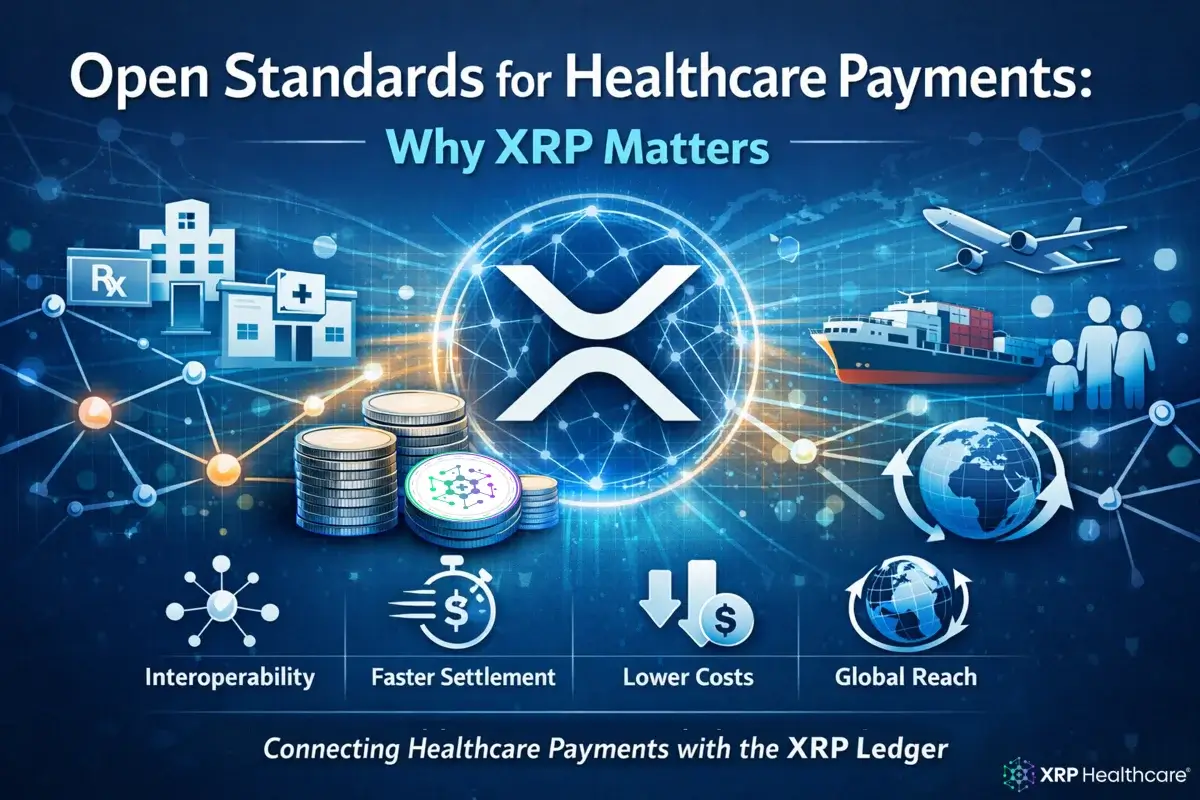
Instead of slow bank transfers or manual billing, pharmacies can send and receive payments instantly. The XRPL (XRP Ledger) enables this, with confirmed transactions in just 3–5 seconds. (Wikipedia)
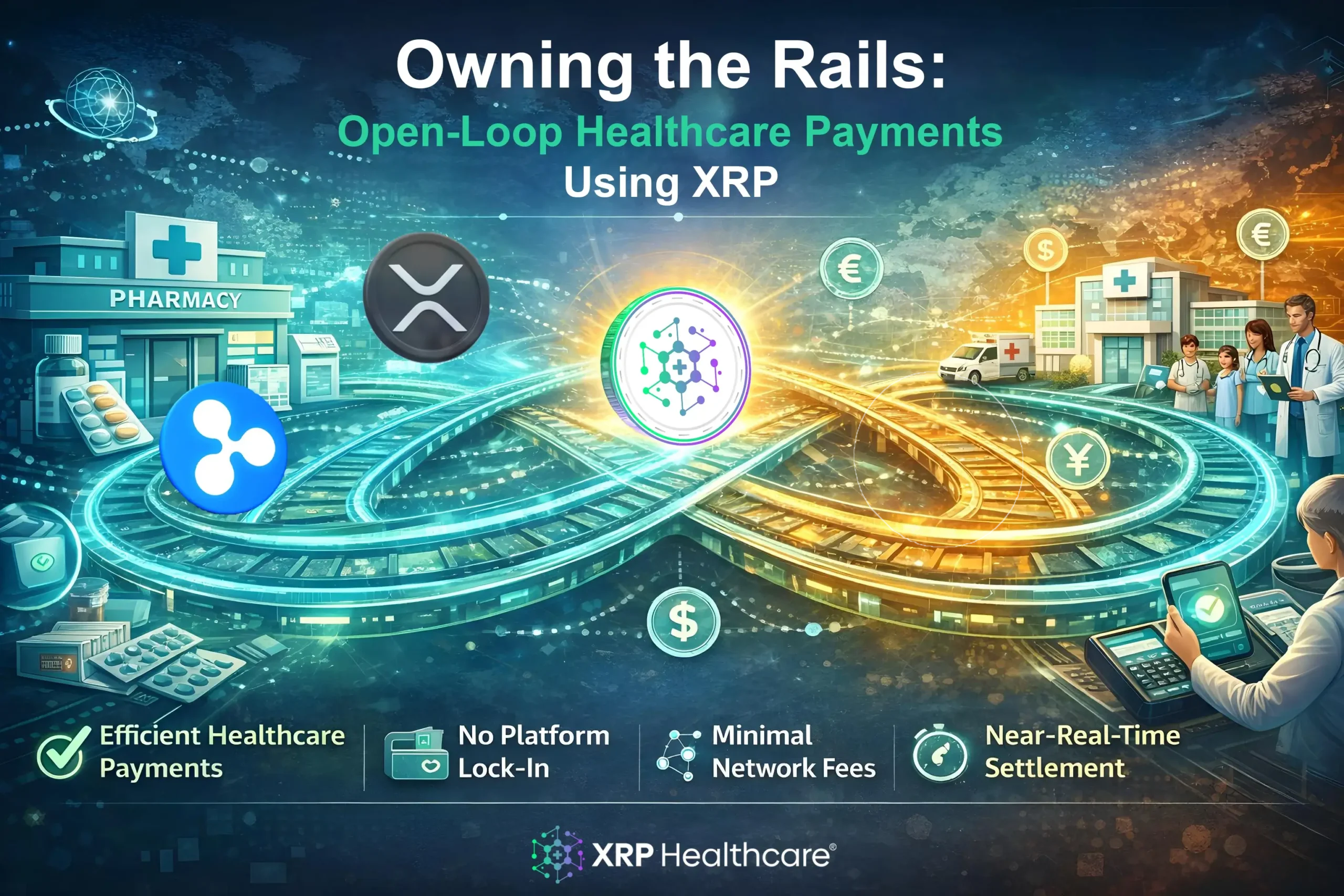
Using XRP in pharmacy systems means easier payments, faster inventory settlements, and smoother handling of cross-border medicine orders or supplier payments.
Why XRP Works Well in Pharmacy Systems
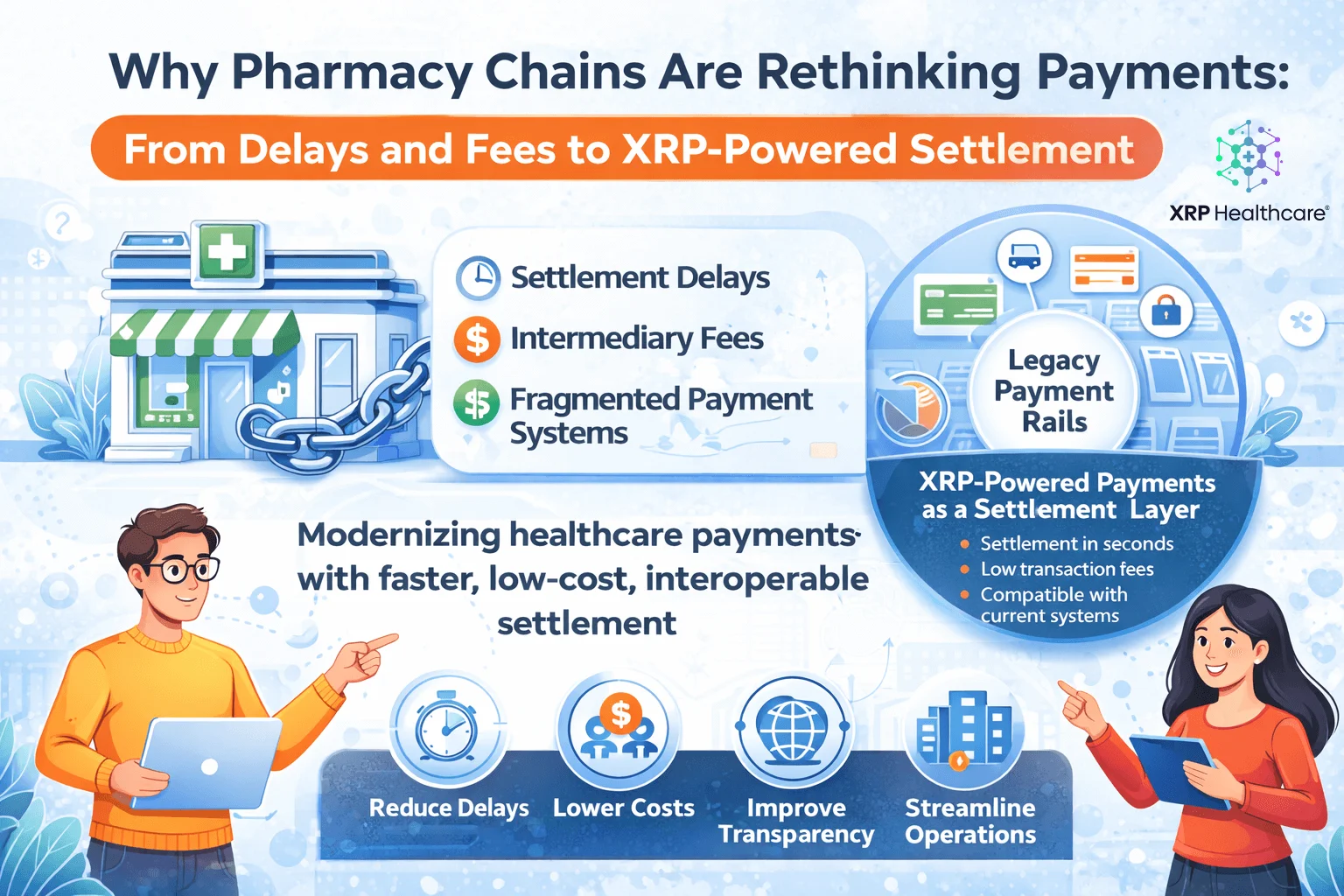
Speed, Low Cost & Reliability
- XRPL settles transactions in 3–5 seconds.
- Transaction fees on XRPL are extremely low, often a tiny fraction of a cent.
- This makes it ideal for frequent pharmacy payments, for drug restocking, supplier invoices, or patient purchases.
- Compared with old rails (banks, cards), XRP-based payments reduce delay and cost.
Secure, Transparent & Global
- XRPL is decentralized and maintained by validators worldwide. (xrpl.org)
- Each transaction is recorded immutably. This supports trust and auditability in pharmacy supply chains.
- For pharmacies operating across borders or sourcing medicines globally, XRP enables smooth cross-border transfers without traditional banking friction. (XRP Healthcare LLC)
Built for Healthcare via XRPH Wallet
- XRPH Wallet is built specifically for pharmacies, clinics, and healthcare providers. It supports XRP, XRPH (a healthcare-focused token), and stablecoins like RLUSD.
- It is non-custodial and respects privacy, suitable for sensitive healthcare systems. (PR Newswire)
- This means pharmacies can adopt blockchain payments while complying with healthcare data and privacy standards.
Real-World Use Cases and Adoption
- According to recent announcements, XRPH Wallet has expanded into the U.S. pharmacy sector and into emerging markets like East Africa. This shows real adoption of blockchain for pharmacy payments.
- Through XRPL, pharmacies and clinics can settle invoices, supplier bills, and patient payments instantly and transparently. (Tech Focus Asia)
- Blockchain-based pharmacy systems help improve supply-chain transparency, which in pharma is vital to prevent counterfeit medicine distribution and ensure proper tracking from manufacturer to patient. (arXiv)
Challenges & What Pharmacies Should Consider
Regulatory & Compliance Considerations
Pharmacy systems must comply with local regulations for payments, drug distribution, data privacy, and medical records. Blockchain adoption must fit within those laws.
Integration with Existing Systems
Existing pharmacy software and supply-chain workflows may need updating to integrate XRPH Wallet or XRP-based payments. Some technical or procedural changes may be required.
Education & Trust
Stakeholders, pharmacies, suppliers, and regulators may be unfamiliar with blockchain. They need to understand benefits, security, and compliance. Building trust takes time.
Why Now Is a Good Time for Pharmacies to Adopt XRP in Their Systems
- Global healthcare payments are large and often slow. XRP + XRPL bring speed and cost efficiency. XRPH Wallet is built specifically for this sector. (XRP Token)
- As supply-chain risks and demand for transparency grow worldwide, blockchain-based pharmacy systems can offer stronger traceability and trust.
For pharmacies working internationally, importing medicines, and dealing with cross-border suppliers, XRP’s global and fast settlement helps reduce friction and delays.