What Is “XRP in Healthcare”?
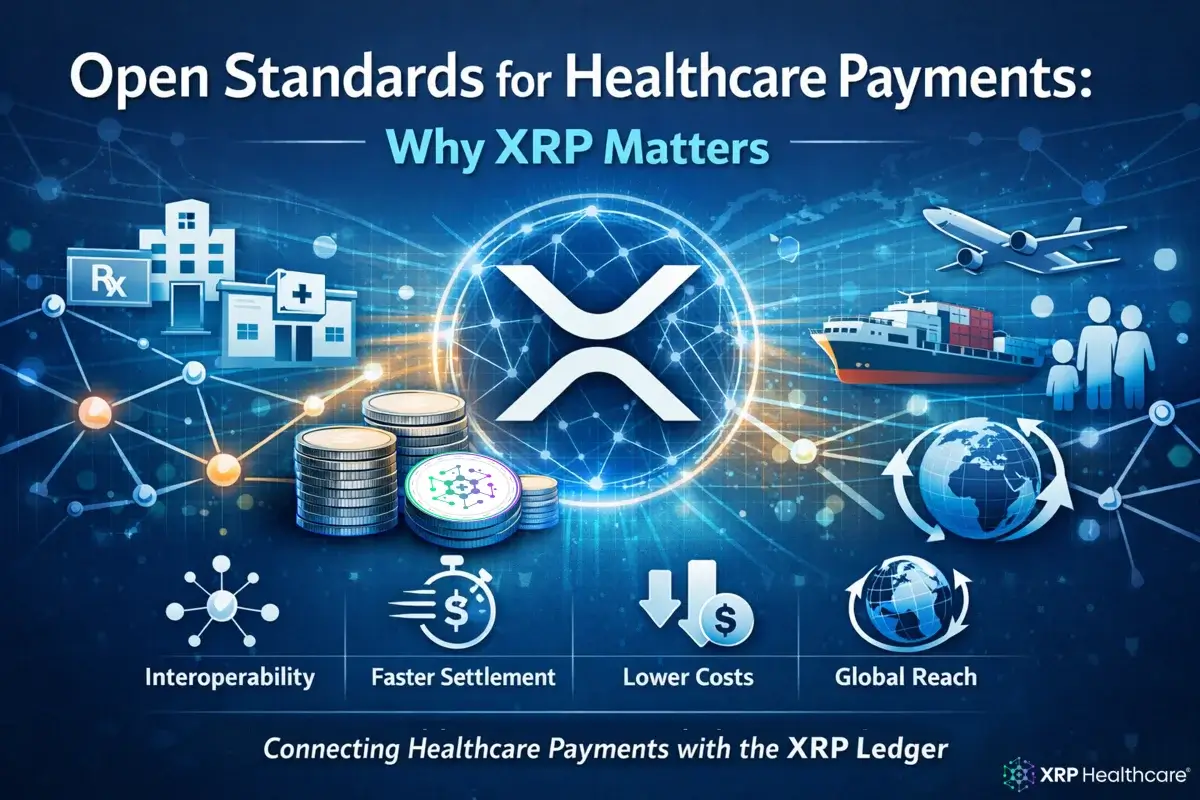
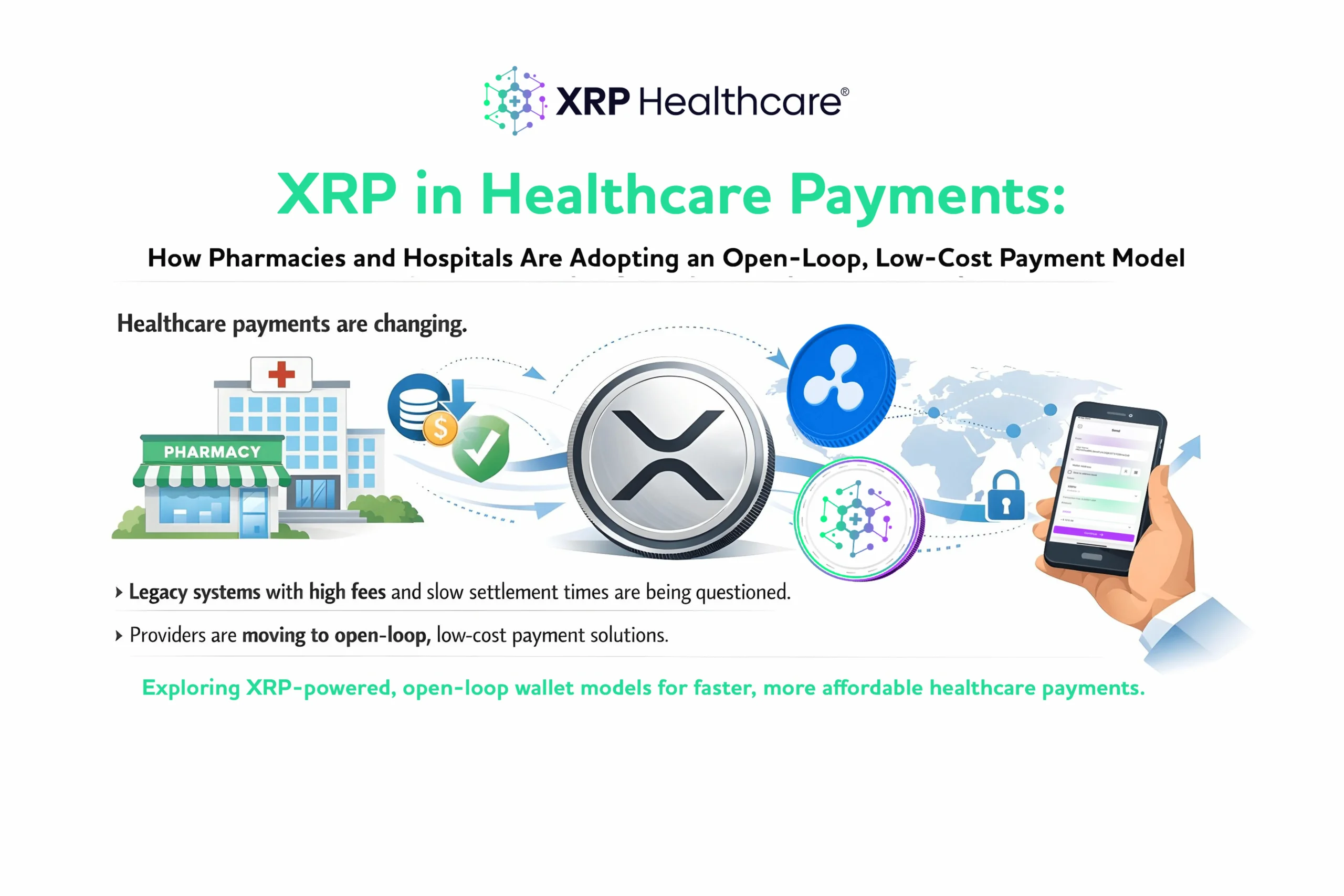
“XRP in Healthcare” refers to the use of the XRP Ledger (XRPL) and related blockchain tools to improve financial and operational processes in the health sector. This includes faster payments, lower costs, and more transparent settlement systems for pharmacies, clinics, and hospitals.
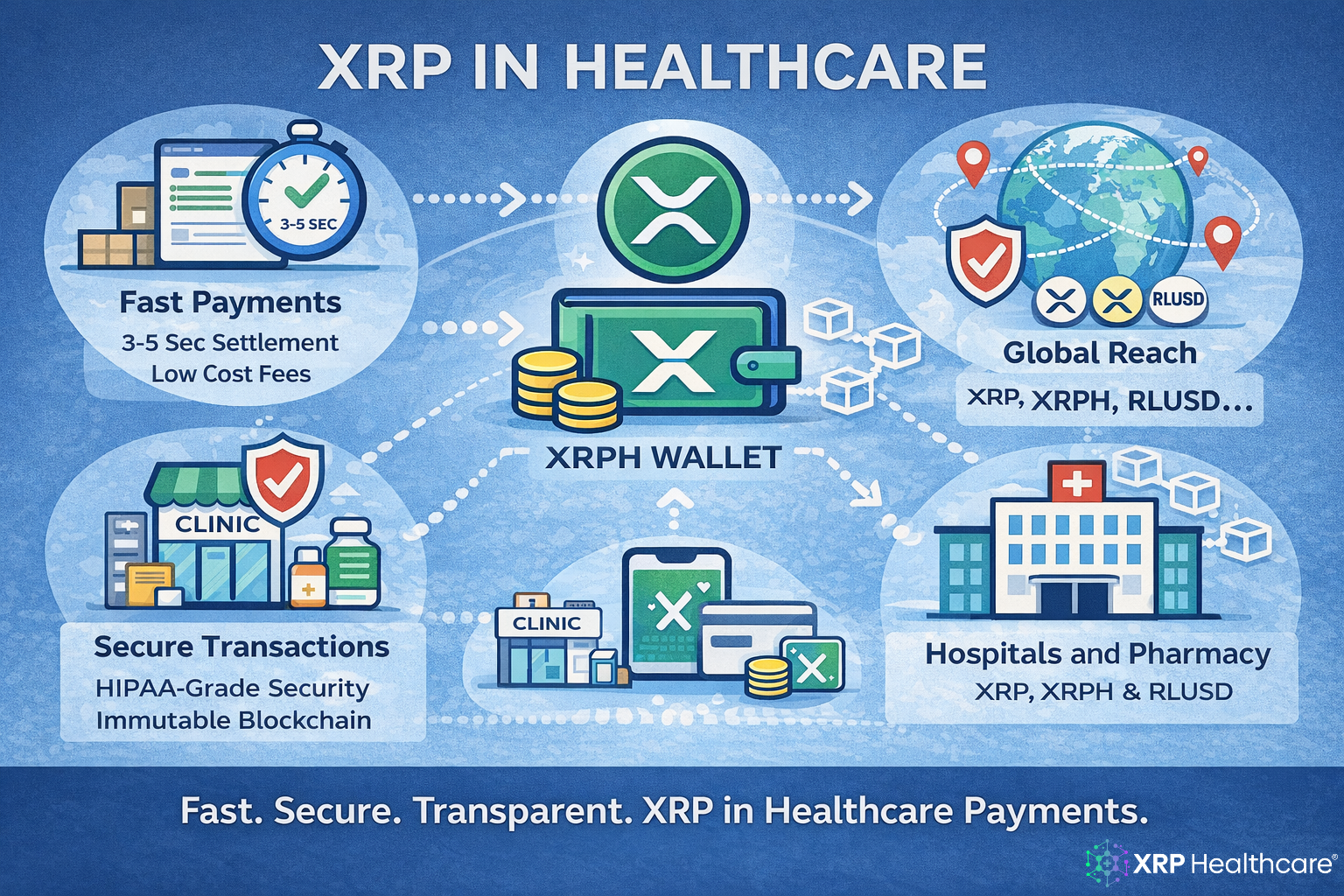
The main facilitator of XRP in healthcare is the XRPH Wallet, developed by XRP Healthcare LLC. It allows secure, near-instant payments using XRP, XRPH (a healthcare utility token), and RLUSD (a stablecoin). (XRP Healthcare LLC)
Why XRP Matters in Healthcare Payments
Instant and Low-Cost Transactions
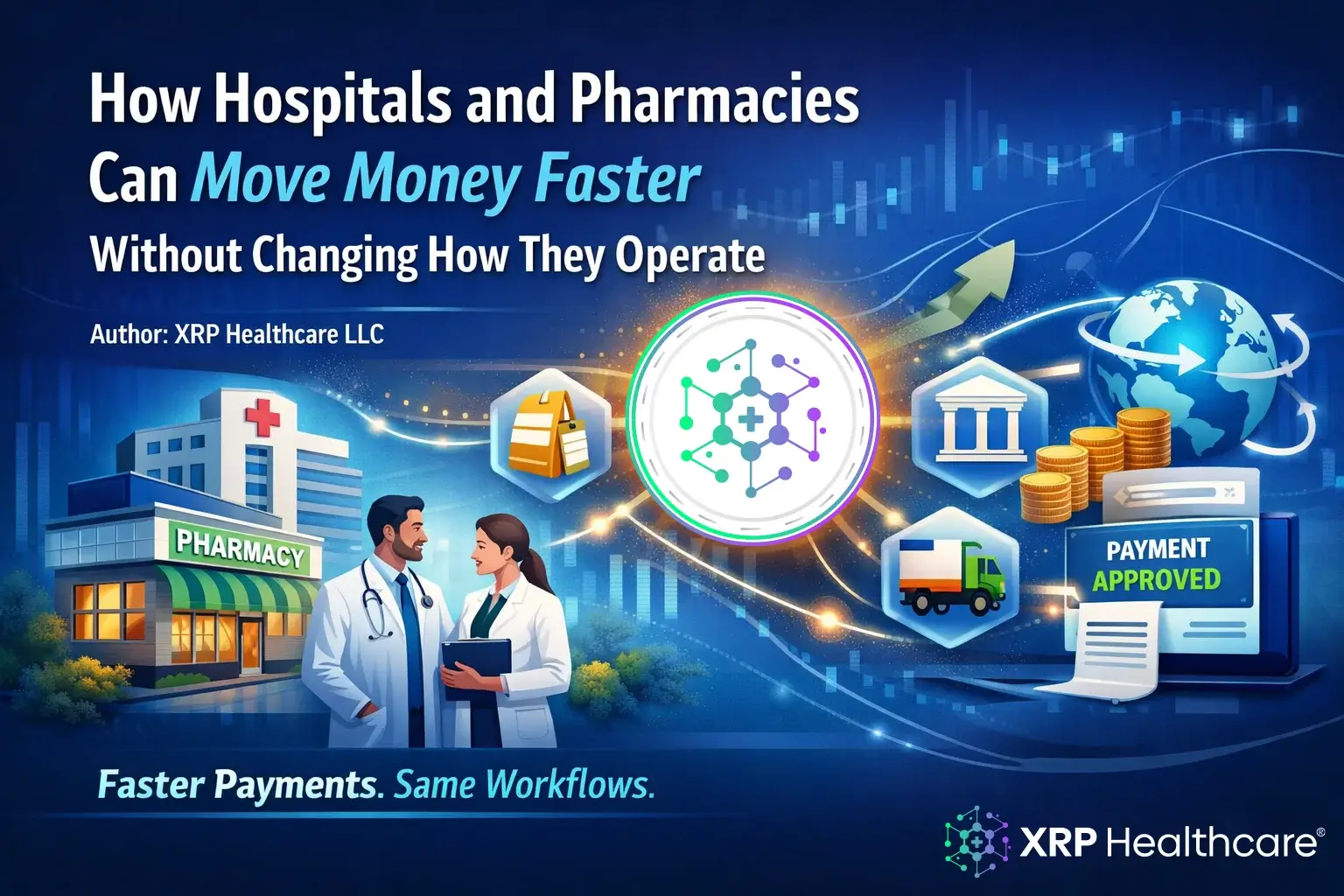
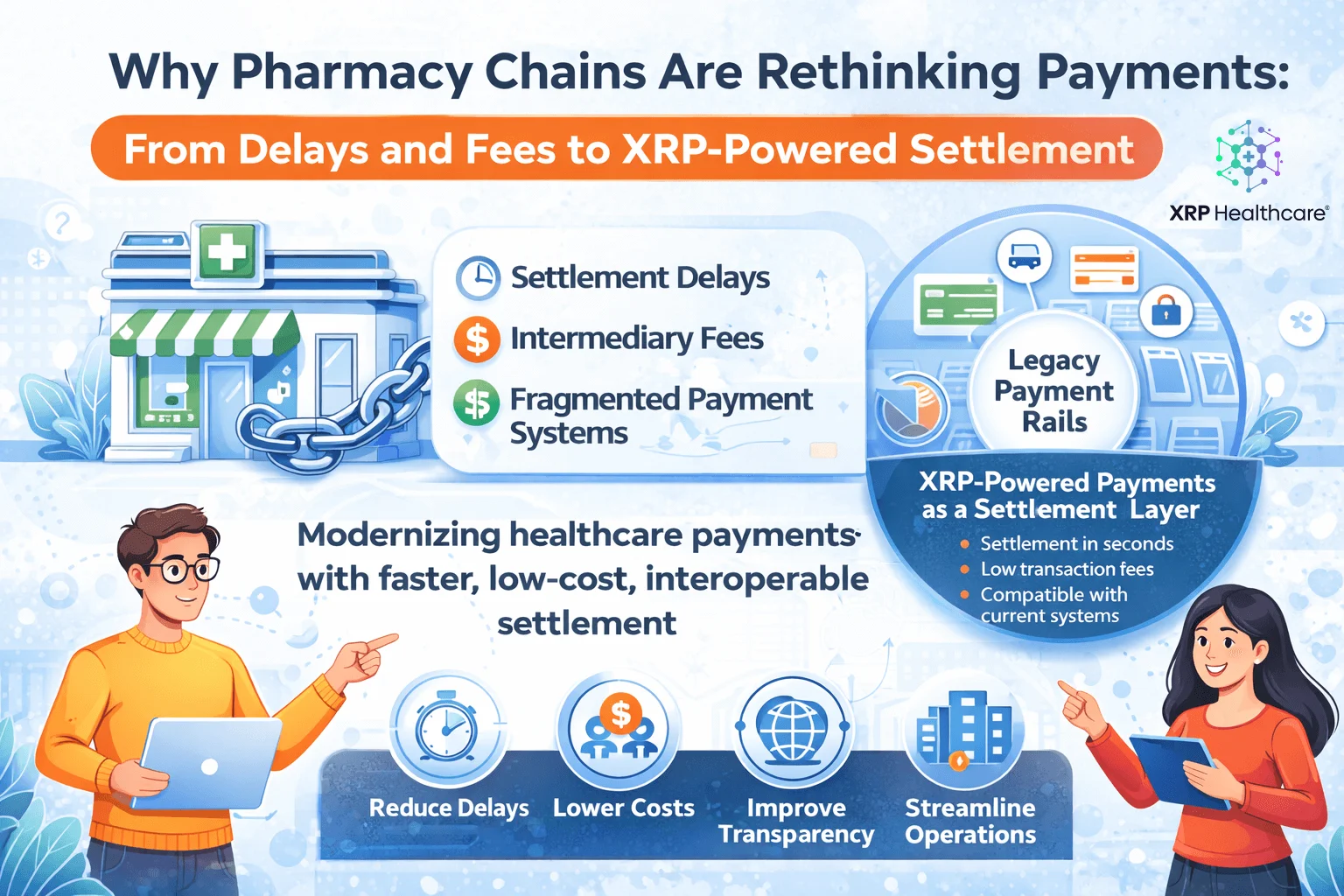
Healthcare payments often travel through slow, costly channels like bank transfers or credit cards.
Blockchain settlement using the XRPL completes transactions in 3–5 seconds with extremely low fees (fractions of a cent). This speed and cost efficiency help clinics and pharmacies improve cash flow and reduce administrative friction.
Secure, Transparent, and Borderless
The XRPH Wallet is non-custodial and uses encryption that keeps financial data secure.
No protected health information (PHI) is stored on XRPH servers, reducing privacy risks. (XRP Healthcare LLC)
Payments and settlements are recorded on the blockchain. This creates a transparent audit trail that can support compliance and oversight.
Open-Source and Customizable
The XRPH Wallet’s codebase is open source.
Healthcare providers can build custom wallet solutions using this foundation while maintaining control over their funds. (XRP Healthcare LLC)
Real-World Adoption and Use Cases
Global Payment Expansion
Since its launch in 2023, XRP Healthcare LLC has expanded the XRPH Wallet to key markets, including the United States and East Africa.
This rollout targets pharmacies, clinics, and healthcare distributors, enabling real-time payments across borders. (PR Newswire)
Multi-token Payments for Providers
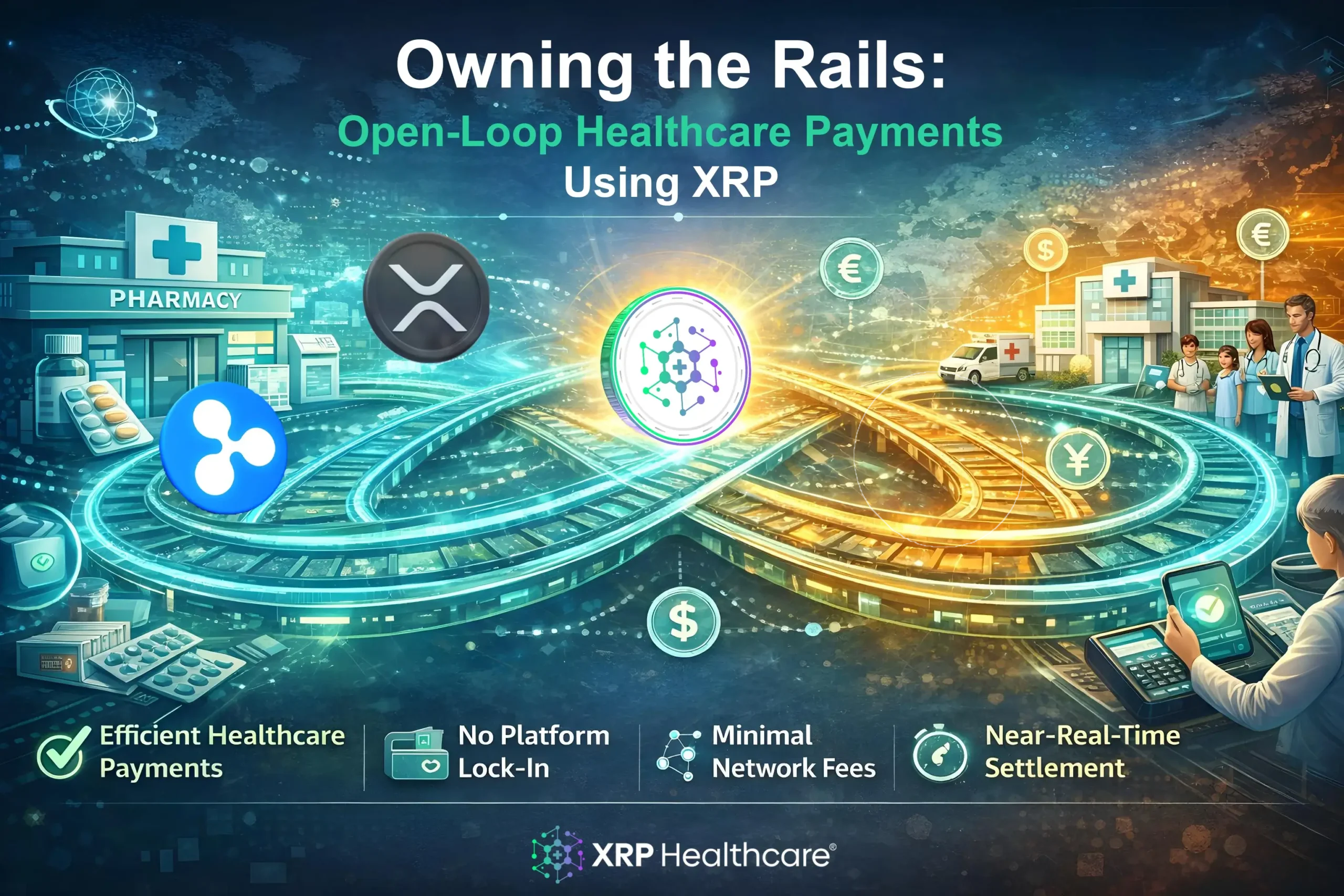
Healthcare organizations can send and receive payments in:
- XRP (for liquidity)
- XRPH (healthcare utility token)
- RLUSD (USD-pegged settlement asset)
All on the XRP Ledger. (Ein News Tech)
This flexibility supports local and international financial workflows without the need for traditional banking rails.
Benefits of Using XRP in Healthcare
- Faster settlements than legacy payment systems. (XRP Healthcare LLC)
- Lower transaction costs compared with cards or wires. (National Law Review)
- Transparent, immutable records on blockchain. (Ein News Tech)
- Custom wallet solutions via open-source infrastructure. (XRP Healthcare LLC)
These benefits can directly improve both patient billing experiences and provider reimbursement cycles.
Challenges and Considerations
Regulatory Environment
Healthcare and financial systems must comply with strict regulations. Any blockchain solution must adapt to data privacy and financial rules in each jurisdiction.
Adoption Barriers
Not all providers or patients are familiar with blockchain payments. Training and integration with existing systems are essential for success.
Education & Trust
Widespread use of digital assets in healthcare requires ongoing trust building among providers, payers, and regulators.
Conclusion
XRP in Healthcare is changing how the health sector handles payments and financial settlement. By using the XRPL and tools like the XRPH Wallet, healthcare providers can process payments faster, cheaper, and more securely, while maintaining transparency and the ability to scale globally. This transformation supports everything from pharmacy billing to cross-border supplier payments. It strengthens financial efficiency across the entire healthcare ecosystem.