Introduction
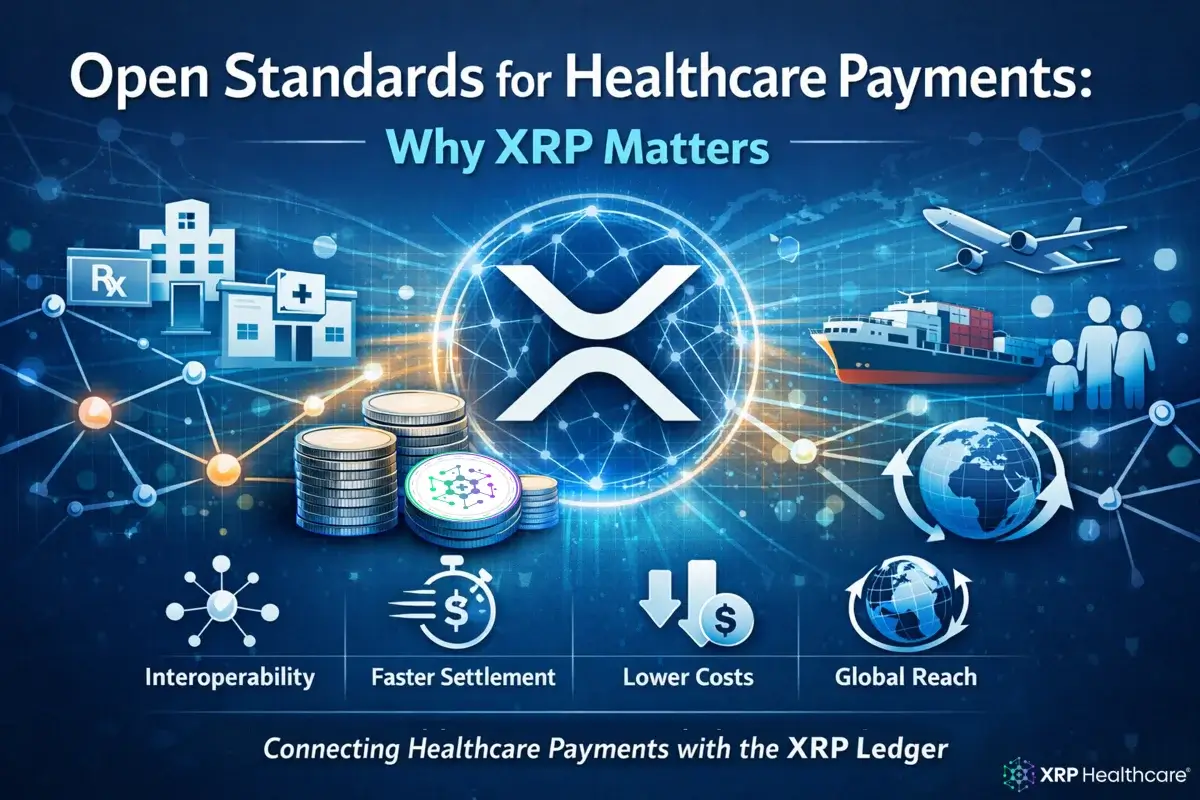
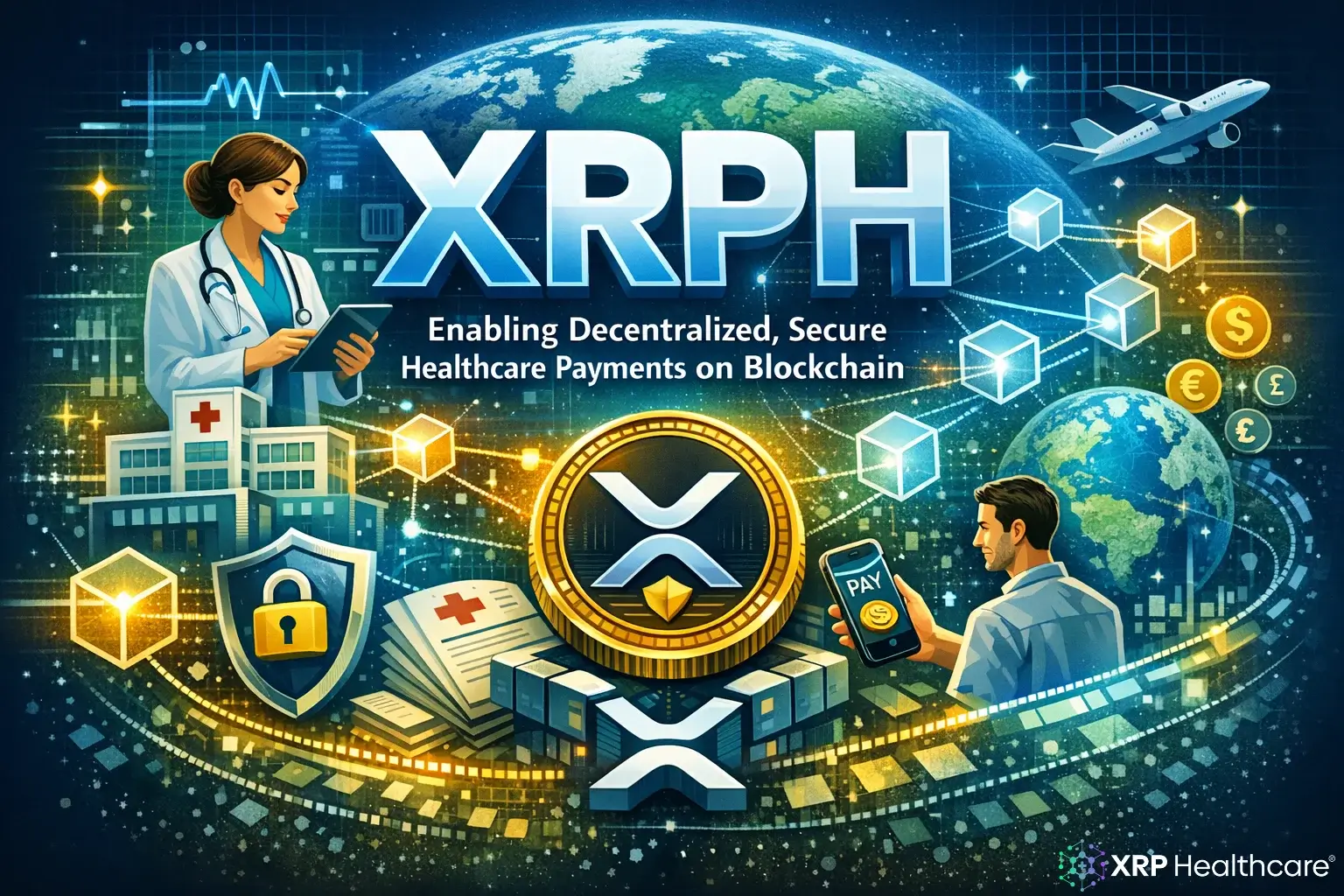
As healthcare systems modernize, payment infrastructure is increasingly moving toward decentralized financial models that reduce reliance on traditional intermediaries and improve transaction efficiency. Decentralized healthcare payments enable faster settlement, increased transparency, lower costs, and enhanced interoperability, all essential for scalable, global healthcare operations.
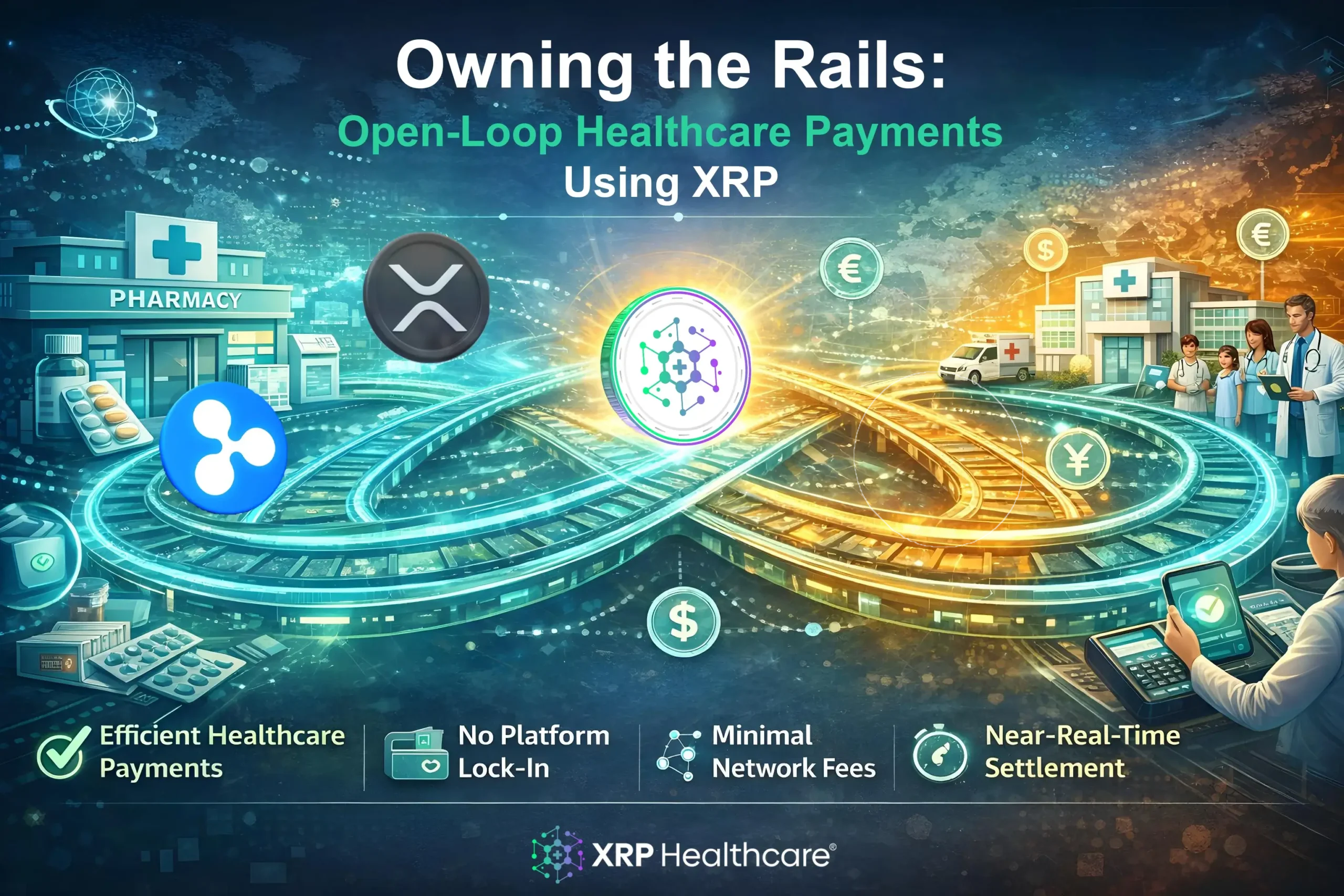
The XRPH token, built on the XRP Ledger (XRPL), plays a key role in enabling these decentralized payment flows. Unlike speculative crypto assets, XRPH serves as a utility token designed to support real-world transactional activity across healthcare ecosystems.
This article explains the role of XRPH in decentralized healthcare payments, real use cases, and why healthcare providers benefit from blockchain-enabled financial systems.
Understanding Decentralized Payments in Healthcare
What Is Decentralized Healthcare Payment?
Decentralized healthcare payment refers to a financial model in which value transfers occur directly between parties through distributed ledger technology (DLT) without requiring traditional intermediaries such as banks or centralized processors.
In this model:
- Value flows directly between sender and receiver
- Settlement is verified via consensus mechanisms
- Transaction history is transparent and immutable
This contrasts with legacy systems, where central entities act as intermediaries, often adding cost, delay, and opaqueness to transaction flows.
Why Decentralization Matters
Decentralized systems:
- Eliminate single points of failure
- Reduce transaction costs
- Improve reconciliation accuracy
- Increase transparency for all parties
In healthcare, where settlement accuracy and transparency directly impact patient satisfaction and provider revenue cycles, decentralization offers meaningful operational benefits.
For broader context on decentralized finance trends, see: Investopedia, What Is Decentralized Finance (DeFi)?
https://www.investopedia.com/cryptocurrency-4427699
What Is the XRPH Token?
The XRPH token is a utility token native to the XRP Ledger and issued by XRP Healthcare LLC. It was created with a fixed supply and a permanently disabled issuing account to prevent further token creation, enhancing predictability and operational governance.
XRPH is not an investment or security token; rather, it is built for transacting value within healthcare payment systems, incentivizing network participation, and supporting operational workflows.
Official XRPH documentation and ecosystem information:
🔹 https://xrphtoken.com/
🔹 https://www.xrphealthcare.ai/
Why the XRP Ledger Enables Decentralized Healthcare Payments
The XRP Ledger (XRPL) is especially suited for decentralized payment applications, including those in healthcare. Its key technical features include:
- Fast settlement times – transactions settle in seconds
- Low transaction costs – predictable and minimal fees
- High throughput – supports enterprise-level volumes
- Decentralized consensus mechanism – no single point of control
These features make XRPL an ideal backbone for decentralized payments where reliability, speed, and cost efficiency are critical. (Source: XRPL Official Docs– https://xrpl.org/)
How XRPH Supports Decentralized Healthcare Payments
1. Enabling Direct Value Transfers
XRPH enables direct value transfers between stakeholders, such as patients, providers, and suppliers, without intermediaries. These transfers are validated by the XRP Ledger and recorded immutably, enabling faster and more efficient settlements.
Benefits include:
- Immediate payment finality
- Lower reliance on correspondent banks
- Reduced processing fees
This is especially important in environments where healthcare providers require predictable cash flow and settlement certainty.
2. Improving Transparency and Auditability
In decentralized systems, transactions are recorded on a public or permissioned ledger with cryptographic verification. When XRPH is used for settlements, every transaction carries details like timestamps, sender and receiver addresses, creating a reliable audit trail.
Immutable records help:
- Providers reconcile accounts more rapidly
- Patients verify settlement status
- Auditors review transactions without manual cross-checking
This enhanced transparency aligns with overall compliance and financial reporting needs in healthcare organizations.
3. Supporting Wallet-Based Decentralized Payments
The XRPH Wallet is a non-custodial wallet solution that enables users to securely store and transfer XRPH and compatible XRPL assets. Wallets play a key role in decentralized payments by giving users full control of their private keys and reducing dependence on centralized custodial solutions.
Features that support decentralized payments include:
- Secure private key management
- Integration with billing and payment workflows
- Support for structured transaction metadata
For healthcare use cases, wallet integration provides a bridge between blockchain transactions and traditional billing systems.
4. Facilitating Cross-Border Decentralized Settlements
Healthcare providers increasingly operate across borders, whether through telemedicine services, global supplier procurement, or international patient billing. Traditional cross-border payments involve complex routing, currency conversions, and intermediary fees.
XRPH on the XRP Ledger enables:
- Decentralized cross-border value transfer
- Minimal foreign exchange friction
- Fast settlement irrespective of geography
These features help reduce administrative bottlenecks and improve operational efficiency.
Real-World Use Cases for XRPH in Decentralized Healthcare Payments
Patient Payment Settlement
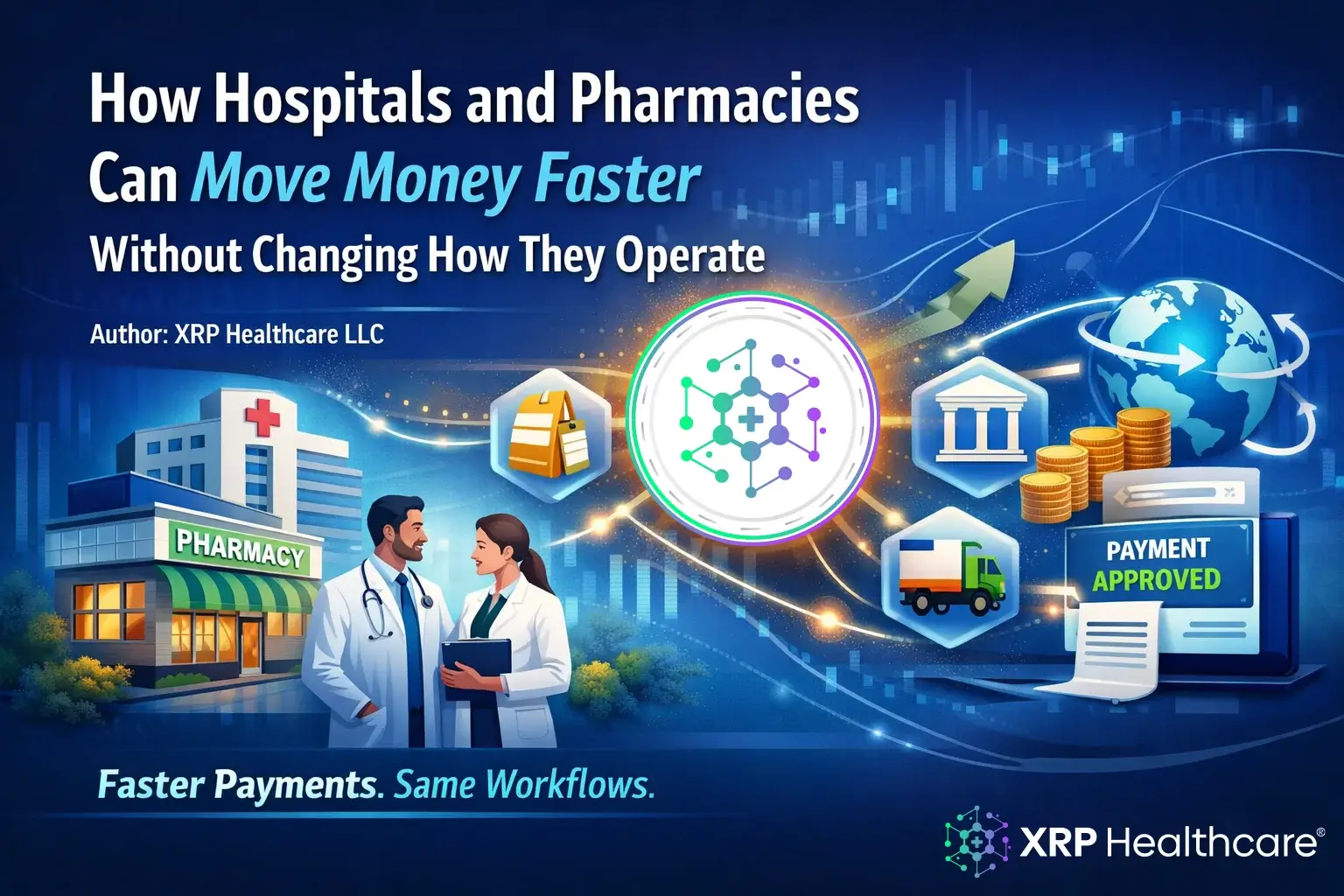
Patients can use XRPH to pay for medical services directly. The decentralized nature of the transaction ensures that the provider receives funds quickly, without third-party approvals or delays, improving patient experience and provider revenue cycles.
Supplier and Vendor Settlements
Healthcare organizations can settle invoices with suppliers and vendors using XRPH, streamlining B2B financial workflows and reducing the traditional reliance on complex banking corridors.
Decentralized Billing and Reconciliation
By embedding structured data (e.g., invoice numbers, service references) into XRPH transactions, healthcare systems can automate certain aspects of the reconciliation process, making financial workflows more efficient and less prone to errors.
Security, Compliance, and Decentralization
Decentralization does not negate the need for compliance with regulatory standards such as HIPAA (for healthcare privacy) or financial reporting requirements. Instead, blockchain-based systems like XRPH enable organizations to enhance security and transparency while still aligning with existing compliance frameworks.
It is important to design decentralized payment solutions in tandem with existing compliance protocols to ensure that financial data remains accurate, secure, and auditable.
For more on blockchain’s impact on healthcare systems, see Blockchain Research in Healthcare
https://arxiv.org/abs/1812.02776
Conclusion
The XRPH token plays a pivotal role in supporting decentralized healthcare payments by enabling direct value transfers, enhancing transparency, integrating wallet-based transactions, and facilitating efficient cross-border settlements. Built on the robust infrastructure of the XRP Ledger, XRPH helps unlock the benefits of decentralized finance within healthcare, improving speed, accuracy, visibility, and cost efficiency.
As healthcare systems continue to digitize financial workflows, decentralized payment models powered by XRPH and blockchain technology offer a promising pathway toward more efficient, transparent, and equitable healthcare finance systems.