What Is Pharmaceutical Logistics?
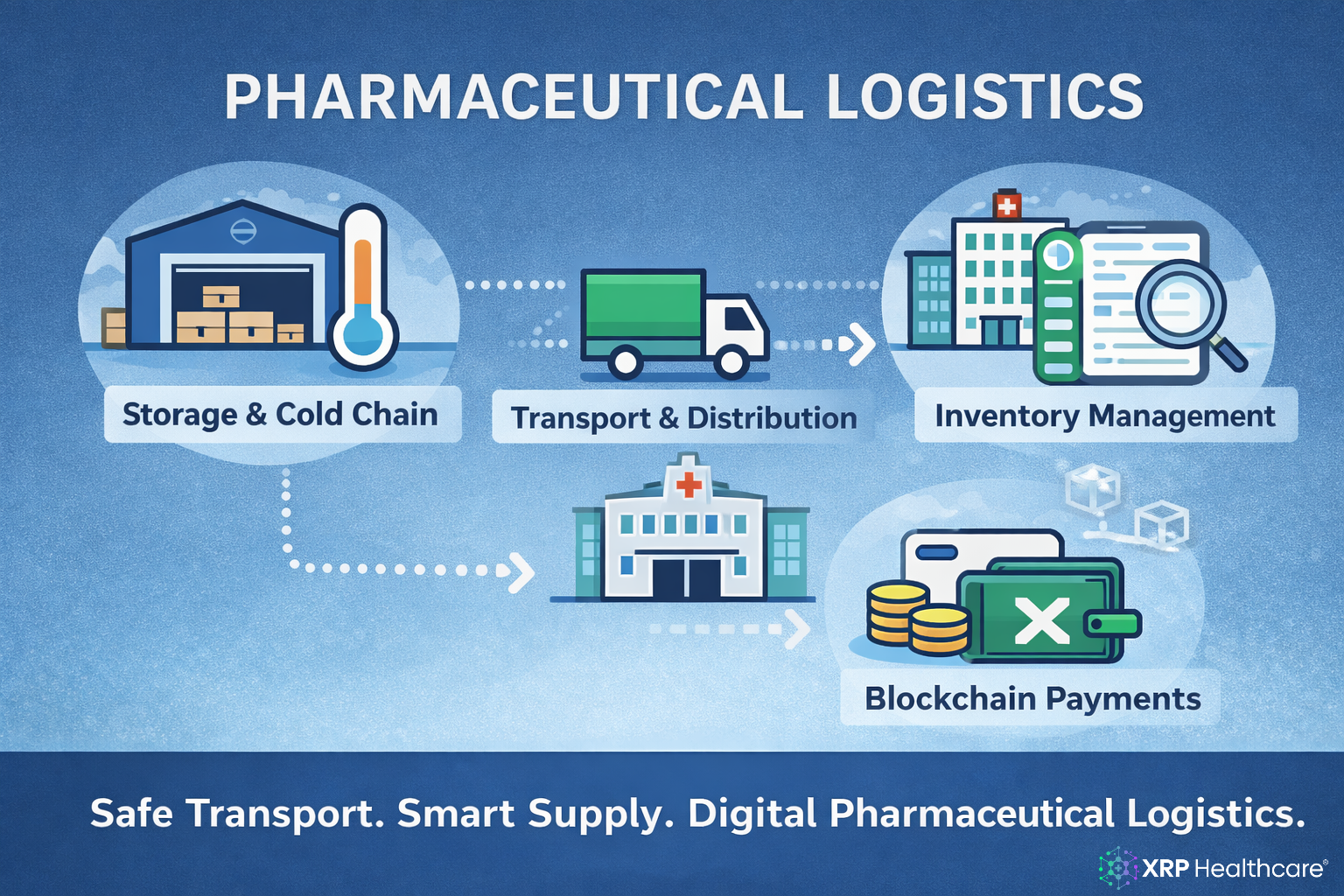
Pharmaceutical logistics encompasses the planning, storage, transportation, and distribution of medicines and healthcare products. It ensures drugs move safely from manufacturers to pharmacies, hospitals, and clinics. Accuracy and timing are critical. Delays can affect patient health. Pharmaceutical logistics must meet strict quality and regulatory standards. This includes temperature control, tracking, and secure handling.
(World Health Organization)
Why Pharmaceutical Logistics Is Critical
Patient Safety
Medicines must be delivered in the right condition. Cold-chain products require temperature control. Poor logistics can lead to drug spoilage or shortages. This directly impacts patient outcomes.
Regulatory Compliance
Pharmaceutical logistics must follow local and international regulations. These include Good Distribution Practices (GDP). GDP helps ensure drug quality throughout the supply chain.
(European Medicines Agency)
Cost & Efficiency
Efficient logistics reduce waste and operational costs. They improve stock management and delivery speed. This helps pharmacies and healthcare providers remain sustainable.
Key Components of Pharmaceutical Logistics
Warehousing
Medicines are stored under controlled conditions. This includes temperature, humidity, and security. Automated systems improve accuracy and traceability.
Transportation
Drugs move through road, air, or sea transport. Cold-chain logistics is essential for vaccines and biologics. Real-time tracking helps prevent losses.
Inventory & Traceability
Batch tracking helps manage recalls and expiry dates. Digital records improve transparency and audit readiness.
(en.wikipedia.org)
Digital Transformation in Pharmaceutical Logistics
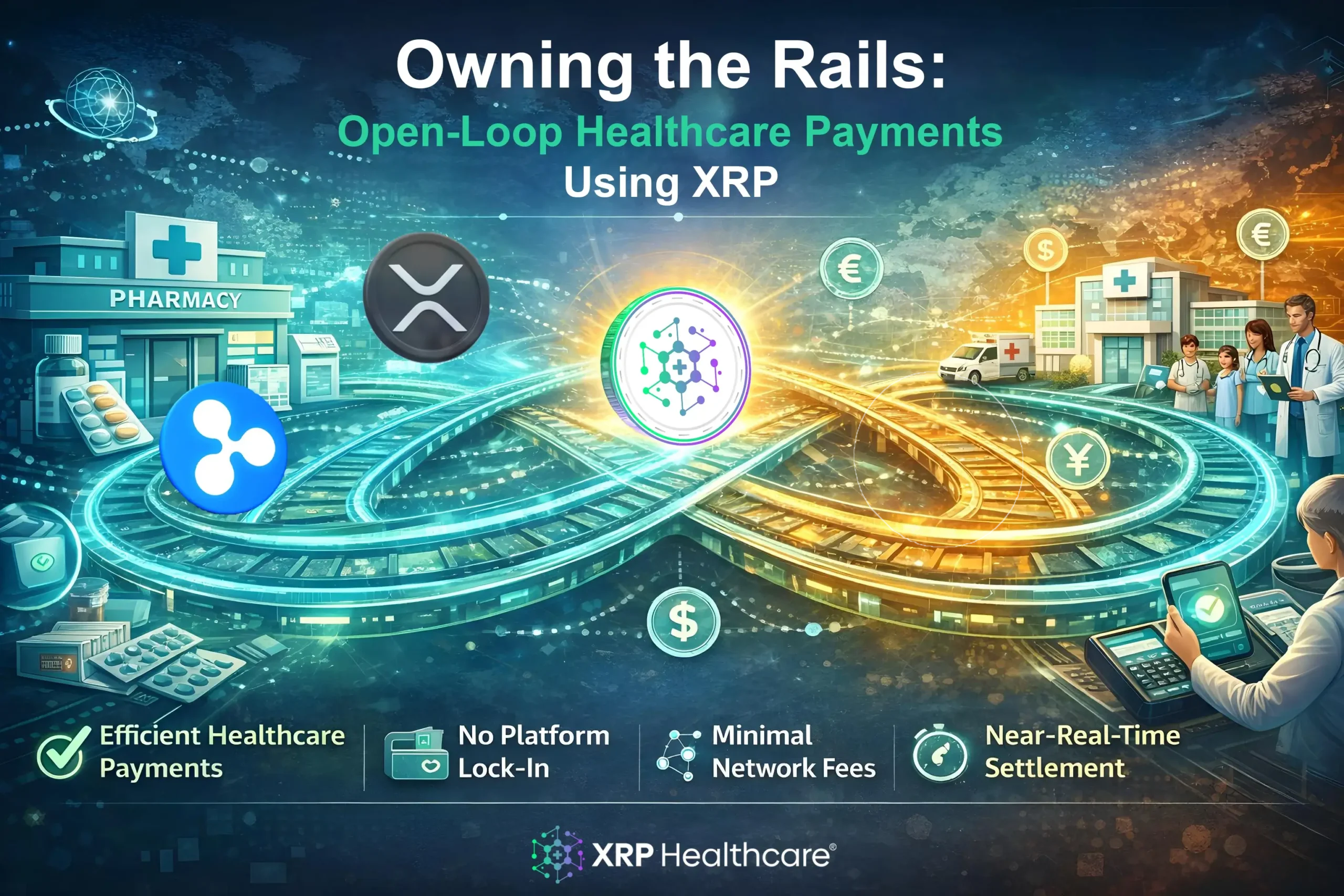
Modern pharmaceutical logistics uses digital tools. These include automation, tracking systems, and digital payments. Blockchain-based payment tools can help logistics partners settle invoices faster. Solutions like XRPH Wallet support near-instant settlement with low fees. This improves cash flow across the logistics network.
(prnewswire.com)
Faster settlement helps distributors, warehouses, and pharmacies work smoothly together.
Challenges in Pharmaceutical Logistics
Rising Demand
Global medicine demand is increasing. Logistics systems must scale without losing quality.
Supply Chain Disruptions
Events like pandemics or conflicts can disrupt supply routes. Diversified logistics networks help reduce risk.
Data Security
Healthcare logistics involves sensitive data. Systems must protect financial and operational information.
Conclusion
Pharmaceutical logistics is the backbone of the healthcare delivery system. It ensures medicines reach patients safely and on time. With digital tools and modern payment infrastructure, logistics networks can become faster and more transparent. As healthcare systems evolve, efficient logistics will remain essential.