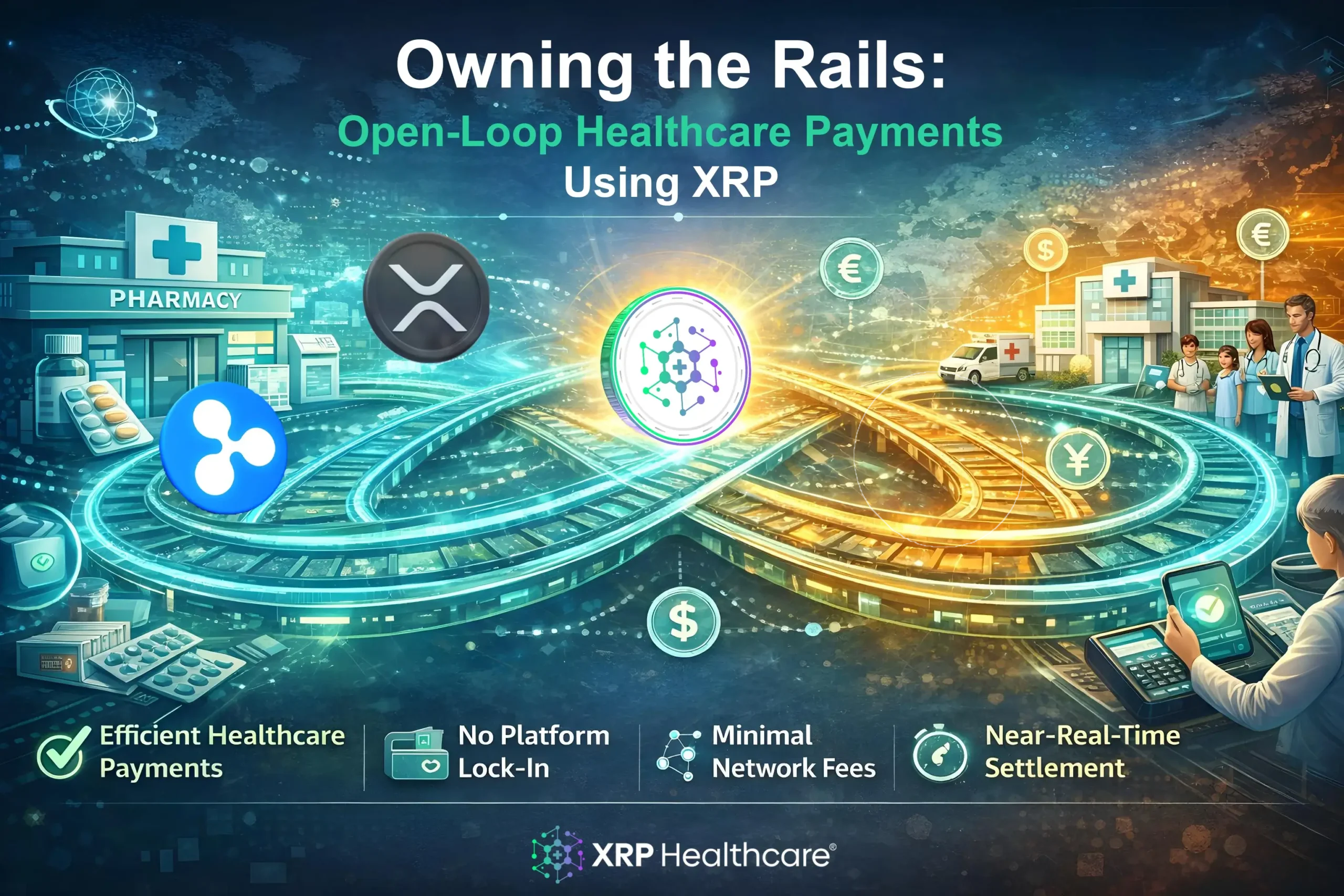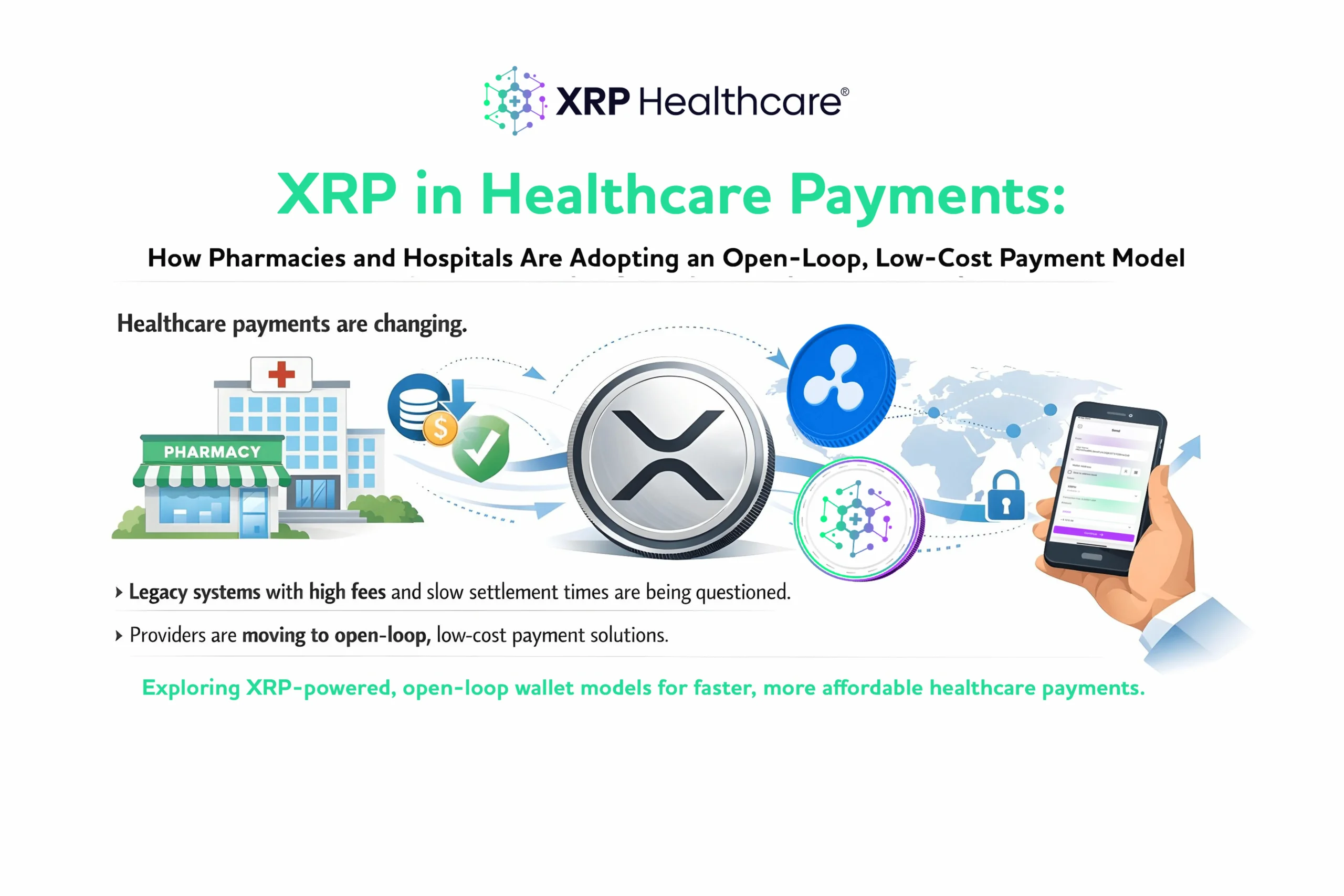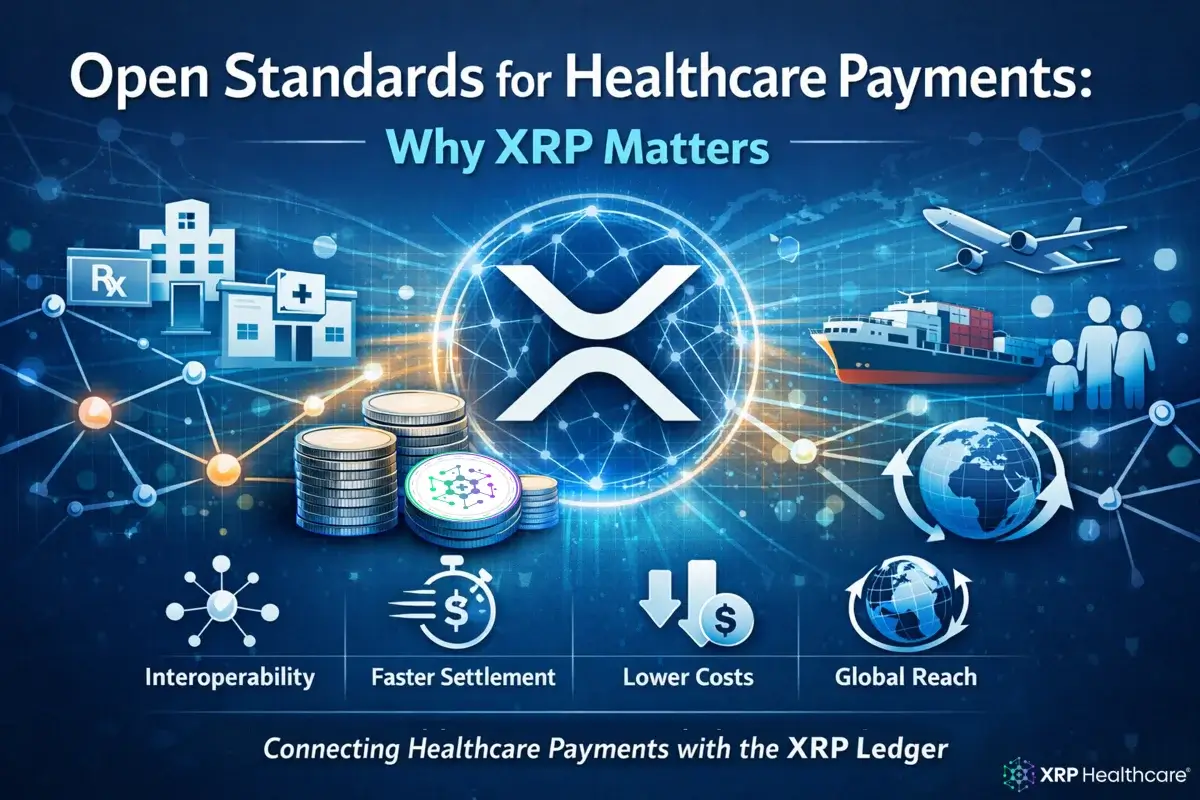
Healthcare payments fail not because of a lack of technology, but because of fragmentation.
Across pharmacies, clinics, suppliers, insurers, and families, value is still moved through disconnected systems—each with its own rules, contracts, intermediaries, and settlement delays.
XRP Healthcare LLC addresses this problem at the standards layer, not the application layer.
Why Healthcare Payments Need Open Standards
Closed payment platforms create dependency.
Open standards create resilience.
An open standard for healthcare payments:
- Allows multiple systems to interoperate
- Prevents vendor lock-in
- Enables competition without fragmentation
- Supports cross-border and multi-party settlement
This is how the internet scaled.
This is how global payments scaled.
Healthcare is no different.
XRP Ledger as a Neutral Settlement Standard
The XRP Ledger (XRPL) functions as a neutral settlement layer, not a proprietary platform.
Its role in healthcare payments is structural:
- It does not dictate user interfaces
- It does not control workflows
- It does not require exclusivity
- It does not impose contracts
Instead, it provides a shared settlement standard that participants can connect to without surrendering autonomy.
Pharmacy Payments Benefit First
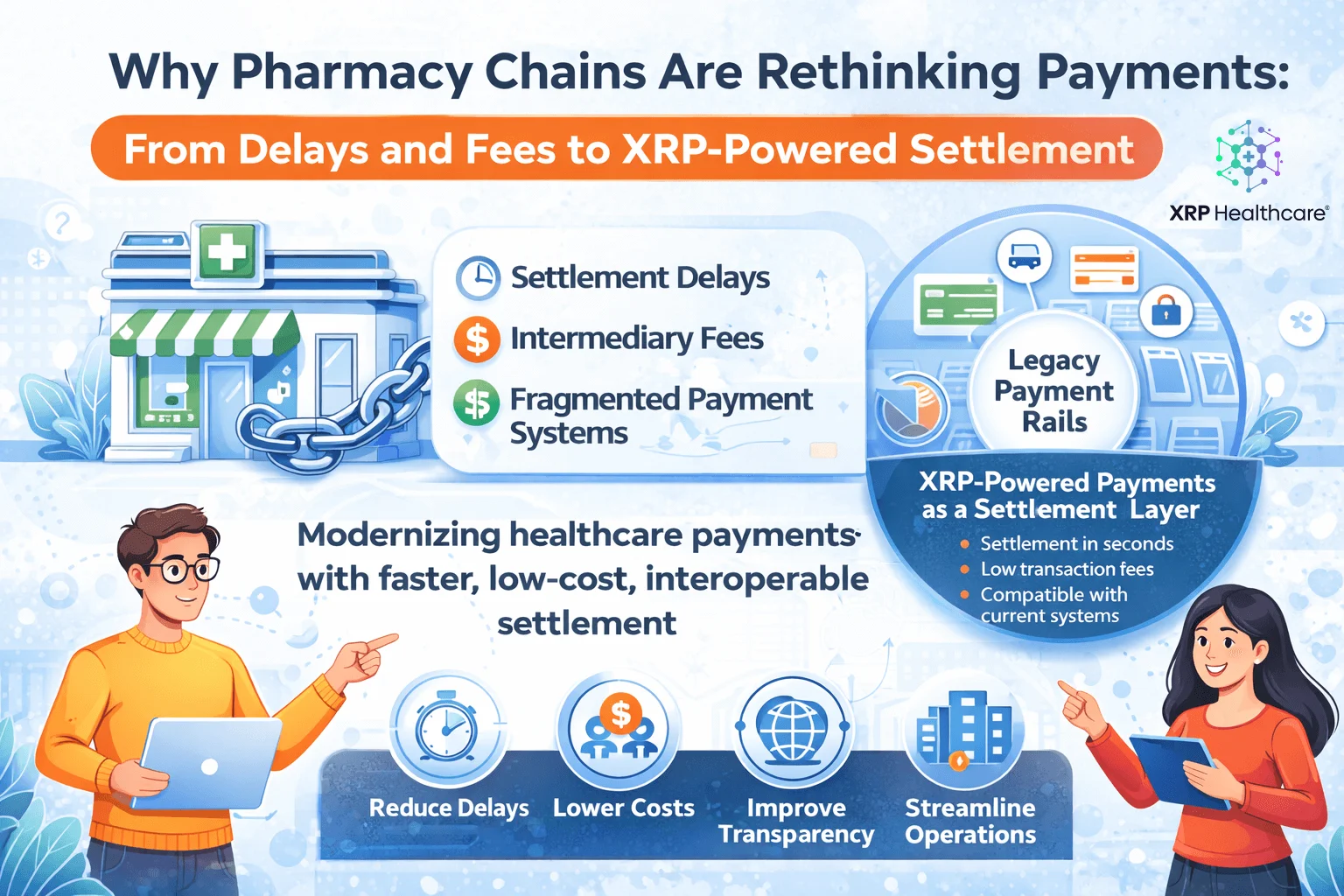
Pharmacies are uniquely exposed to payment inefficiencies:
- High daily transaction volumes
- Supplier settlement complexity
- Cross-border sourcing
- Thin operating margins
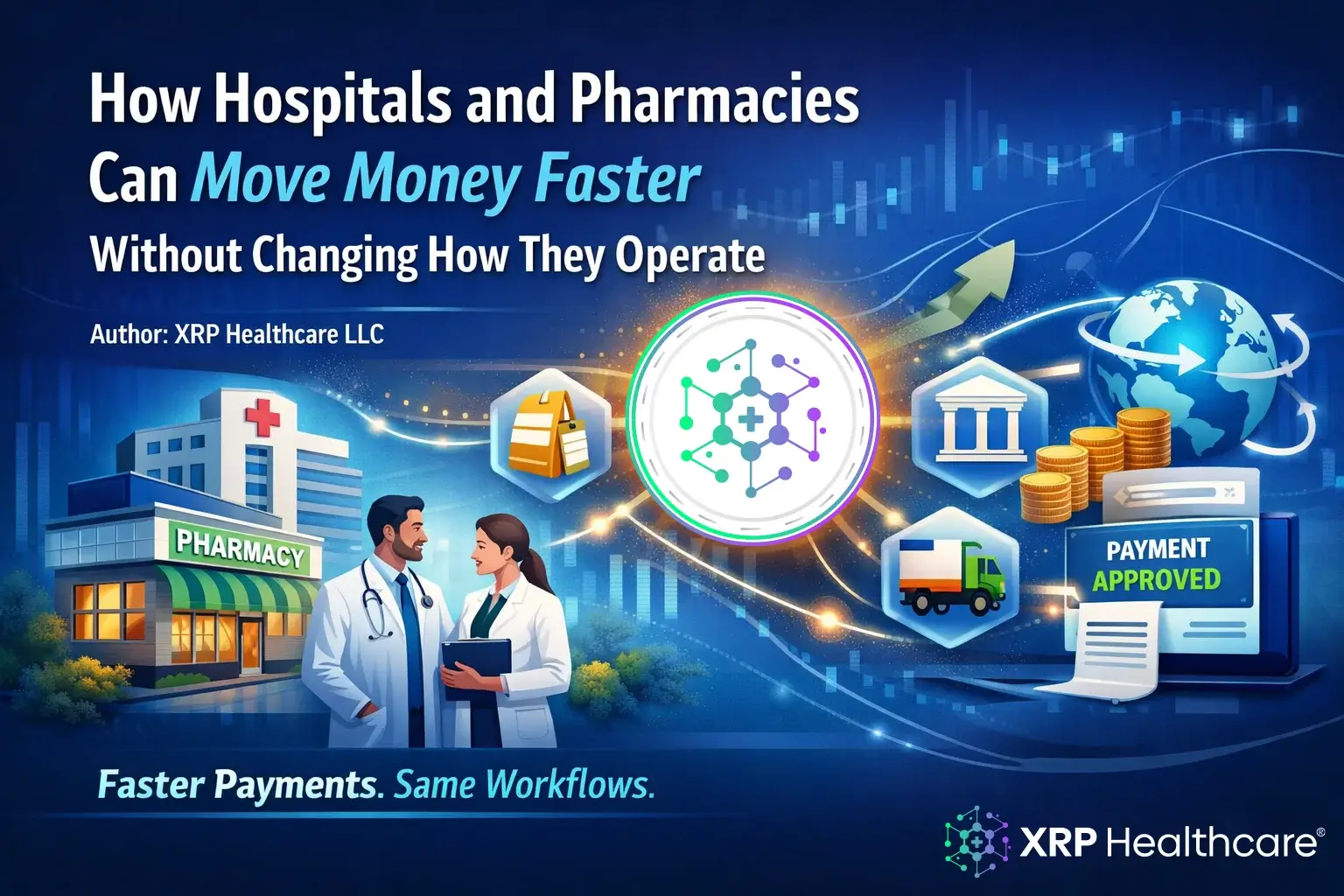
By using XRP Ledger-based settlement rails, pharmacy payments can:
- Settle faster
- Reduce intermediary costs
- Maintain existing operational systems
- Avoid closed-platform dependency
This is infrastructure working quietly in the background, not another tool staff must learn.
Standards Enable Scale Without Central Control
The world’s most important payment systems share one defining trait:
No single participant controls them.
Open standards enable:
- Independent innovation at the edges
- Shared trust at the core
- Long-term durability across markets
XRP Healthcare LLC focuses on maintaining and defending this infrastructure layer, allowing healthcare participants to scale without centralized dependency.
Interoperability Is the Foundation of Modern Healthcare Payments
“XRP in healthcare” does not describe a product.
It describes how value moves between participants.
Interoperability ensures:
- Systems communicate seamlessly
- Payments settle without friction
- Participants remain sovereign
- Innovation stays decentralized
For the complete technical framework, visit:
👉 https://xrphtoken.com/how-xrp-in-healthcare-works
XRPH Wallet: Standards-Aligned Utility
The XRPH Wallet is designed for strict alignment with open standards:
- Non-custodial
- No storage of patient health data
- No transmission of PHI
- Value transfer only
This ensures healthcare payment infrastructure remains:
- Compliant
- Lightweight
- Secure
- Deployable at global scale
Infrastructure That Outlasts Products
Products evolve.
Standards endure.
By focusing on open settlement standards for healthcare payments, XRP Healthcare LLC positions itself where long-term value is created — not in controlling users, but in connecting systems.
Related Resources
Internal Links (locked and compliant):
- https://xrphtoken.com/how-xrp-in-healthcare-works
- https://xrphtoken.com/trademark-and-ip-protection
- https://xrphtoken.com/xrph-wallet
Neutral Authoritative Reference:
Frequently Asked Questions (FAQ)
Why are open standards important for healthcare payments?
Open standards prevent vendor lock-in, enable interoperability, and allow healthcare payment systems to scale without fragmentation.
How does XRP Ledger function as a payment standard?
It operates as a neutral settlement layer that systems can connect to without ceding control or entering exclusivity agreements.
Does this replace existing pharmacy systems?
No. Open standards connect existing systems rather than replacing them, allowing infrastructure upgrades without workflow disruption.
Is patient health data stored in these payment rails?
No. The infrastructure avoids storing or transmitting patient health information, ensuring regulatory compliance.