What is XRPH and Why It Matters for Healthcare
XRPH is the native utility token of the XRP Healthcare ecosystem, built on the XRP Ledger (XRPL). (DeFi Planet)
- The total supply of XRPH is capped at 100 million tokens; the issuing account has been “black‑holed” to prevent future minting.
- XRPH is designed as a medium of exchange within the healthcare platform; its purpose is to facilitate payments for medical goods and services rather than being marketed as a speculative investment.
Because XRPH is tied to a real-world healthcare payments ecosystem rather than abstract speculation, it presents a potentially practical way to address long‑standing inefficiencies in global medical payments.
How XRPH Wallet Speeds Up Medical Transactions
One of the central innovations of XRP Healthcare is the open-source, non-custodial XRPH Wallet, which supports XRP, XRPH, and a stablecoin option (RLUSD) for payments. (XRP Healthcare LLC)
Near-Instant Settlement
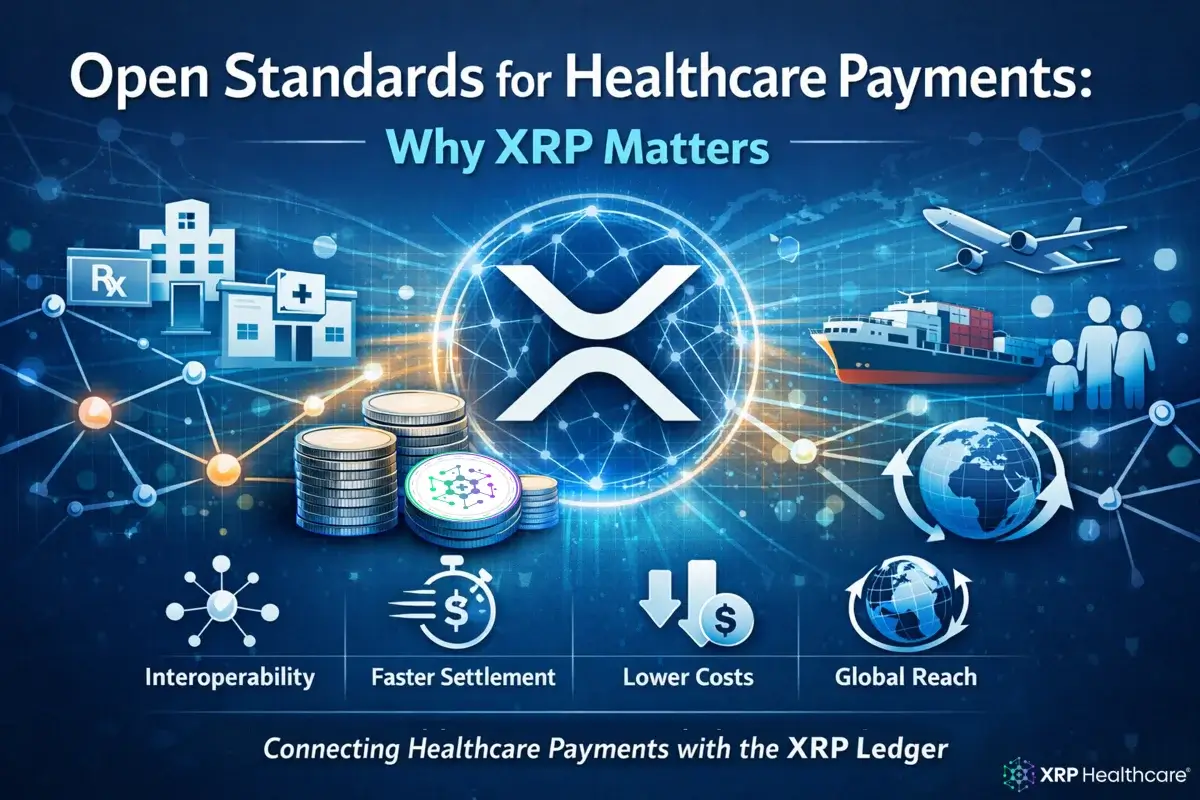
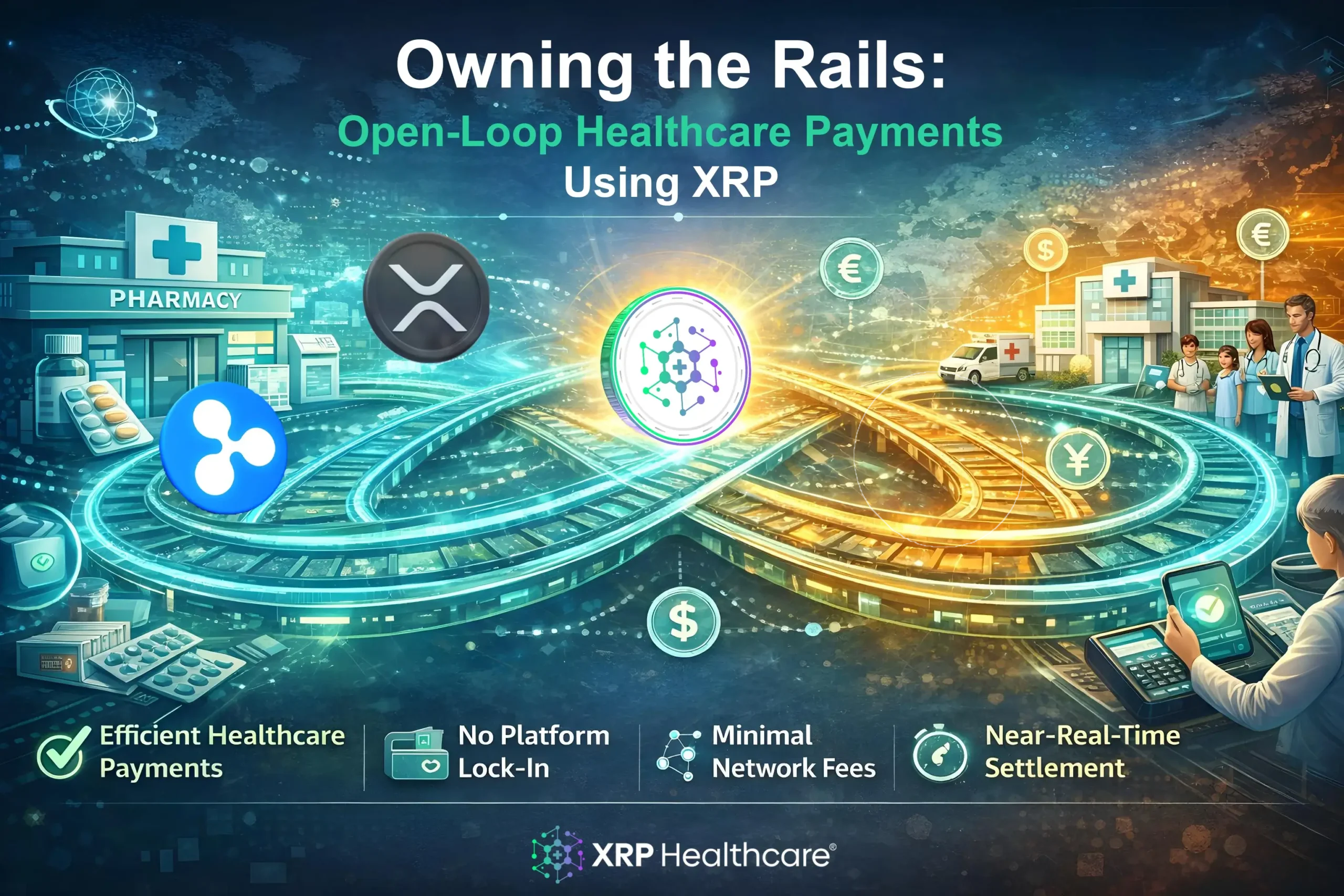
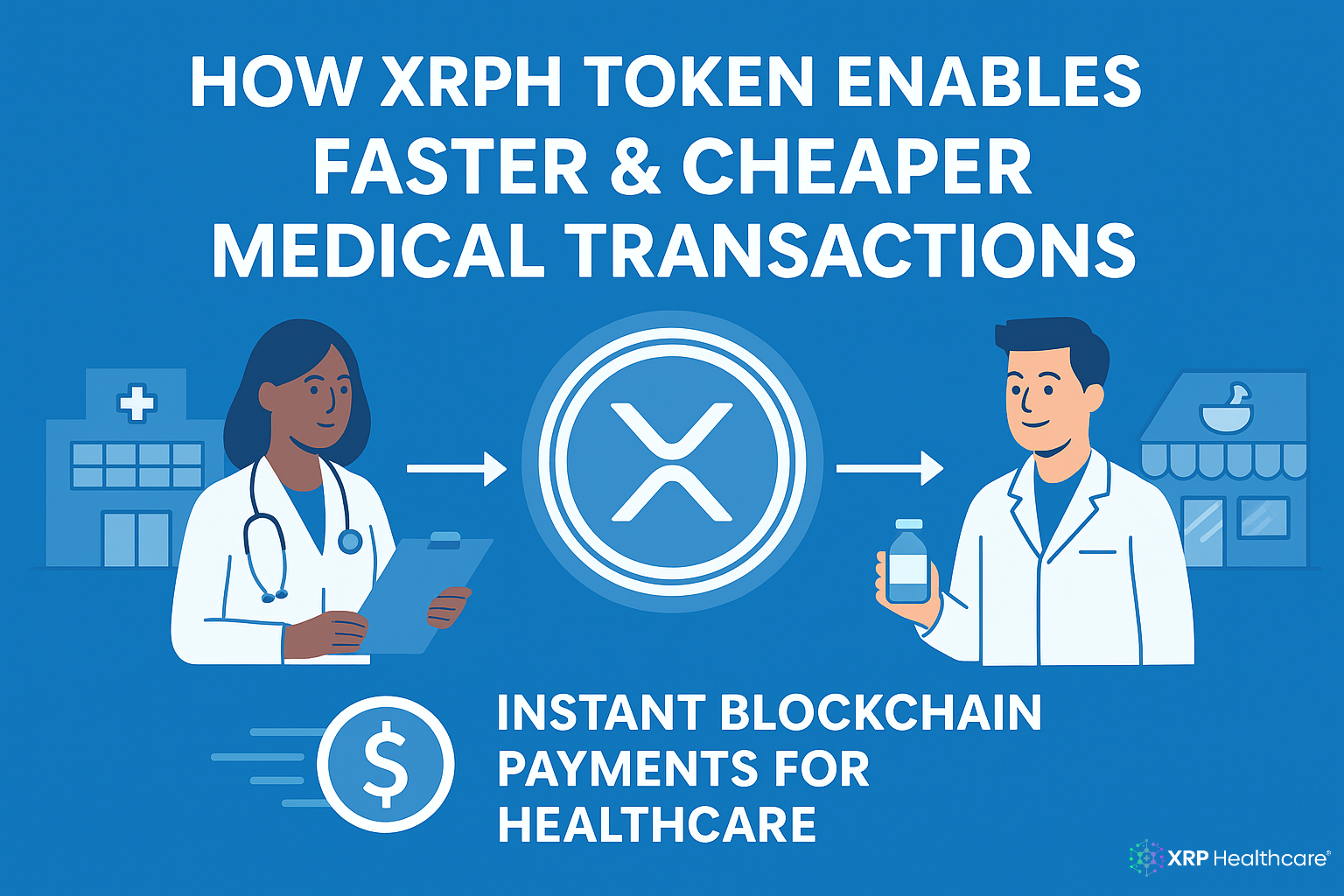
- Transactions on XRPL and hence via XRPH Wallet settle in about 3–5 seconds, far faster than typical bank transfers or card payments.
- This rapid settlement is especially useful in medical contexts, where speed can matter for time‑sensitive treatments, lab payments, telehealth, or emergency care.
Minimal Fees Drastically Lower Cost
- Network fees on XRPL are tiny: transactions often cost as little as fractions of a cent (e.g., “drops,” the smallest XRP unit).
- Compared with traditional payment rails, where credit‑card fees, banking fees, cross-border charges, or remittance costs can be substantial, XRPH payments represent dramatic cost savings for both patients and providers.
Non‑custodial & Privacy‑Oriented
- XRPH Wallet is non‑custodial: users and providers keep control of their own keys and funds.
- The platform claims to avoid storage of Protected Health Information (PHI) on XRPH servers, meaning sensitive data is not held on the token infrastructure itself, which reduces privacy and compliance risk.
Broader Benefits: Transparency, Global Reach & Ecosystem Payment Use
Beyond speed and cost, XRPH and the XRPH Wallet offer structural advantages that matter especially for cross-border and emerging-market healthcare.
Cross‑Border & Global Payments
XRPH uses XRPL’s borderless speed to enable instant, low-cost global medical payments.CoinGecko)
End-to-End Healthcare Ecosystem, Not Just Payments
XRPH isn’t limited to payments: it’s part of a broader vision combining blockchain and healthcare services. According to external analyses, the ecosystem aims to integrate medical data management, AI‑driven tools, pharmacy networks, and real‑world healthcare infrastructure. (CoinMarketCap)
XRPH unifies healthcare payments, enabling patient, provider, and cross-border transactions in one system.(XT)
Combating Inefficiencies and Counterfeits
Blockchain’s transparency and immutability also help in tracking pharmaceuticals and medical supply chains, mitigating the risk of counterfeit drugs, improving supply‑chain integrity, and enhancing trust. (XT)
What XRPH’s Real‑World Progress Looks Like
- XRPH Wallet has reportedly expanded into pharmacies and clinics across the United States and parts of East Africa, meaning adoption is underway beyond theory.
- ThXRPH/XRPL payments offer near-instant, low-fee transactions that reduce settlement time and cut administrative overhead versus legacy billing systems.
- XRPH has a fixed supply and focuses on real healthcare use, halting staking to preserve tokens. (XRP Healthcare LLC)
Thus, XRPH is not being positioned primarily as a speculative crypto, but rather as a utility token for a practical healthcare payments and services ecosystem.
Challenges and Considerations: What XRPH and Blockchain in Healthcare Must Navigate
While XRPH offers many advantages, it’s worth acknowledging broader challenges inherent to blockchain‑based healthcare systems (and implied for XRPH):
- Regulatory & Compliance Requirements: Healthcare payments, patient data, privacy, and cross-border medicine distribution are heavily regulated. Any blockchain‑based system must comply with data‑protection laws, anti‑money‑laundering (AML) rules, and healthcare regulations.
- Adoption and Trust: XRPH needs wide adoption and trust, but moving from legacy systems is slow.
- Token Utility vs Speculation: XRPH’s disclaimer states it offers no equity or claim to company assets, revenue, or profits.(XRP Healthcare®️)
- Infrastructure & Access in Emerging Regions: XRPH targets emerging markets, but its adoption depends on internet access, digital skills, and regulations.
Despite challenges, blockchain payment systems remain a strong option for improving healthcare efficiency, transparency, and access.
Conclusion: XRPH as a Catalyst for Efficient, Affordable Healthcare Payments
XRPH and the XRPH Wallet enable fast, low-cost, borderless healthcare payments powered by the secure XRPL blockchain.
XRPH streamlines medical payments, cuts costs, and boosts transparency in healthcare, especially in underserved regions.
If widely adopted, this could mark a real shift in how medical services are paid for and delivered globally.