Digital healthcare is evolving rapidly. As demand for efficient, secure, and borderless payment systems grows, traditional banking methods are increasingly inadequate, especially for global health services, pharmacies, and cross-border patients. Into this gap steps the XRPH ecosystem, offering blockchain-powered solutions designed specifically for healthcare payments. Through the combination of the XRPH Wallet, the native XRPH Token (plus the option for stable-value tokens), and the underlying XRP Ledger (XRPL) infrastructure, XRPH aims to shape what a digital health economy can look like.
Here’s how.
The XRPH Vision: What They Aim to Build
According to the official XRPH documentation, XRPH Wallet is a global, open-source wallet for healthcare that:
- Supports XRP, XRPH, and a stable-value token (RLUSD) on XRPL.
- Confirms transactions in 3–5 seconds, with network fees measured in “drops” (fractions of a cent), dramatically lower than traditional banking or card fees.
- It is non-custodial and HIPAA-grade, meaning no patient data (PHI) is stored on XRPH servers.
- Enables pharmacies, clinics, hospitals, and healthcare suppliers to send/receive payments, generate invoices, and process transactions, potentially covering both retail (patient → provider) and B2B (provider → supplier) flows.
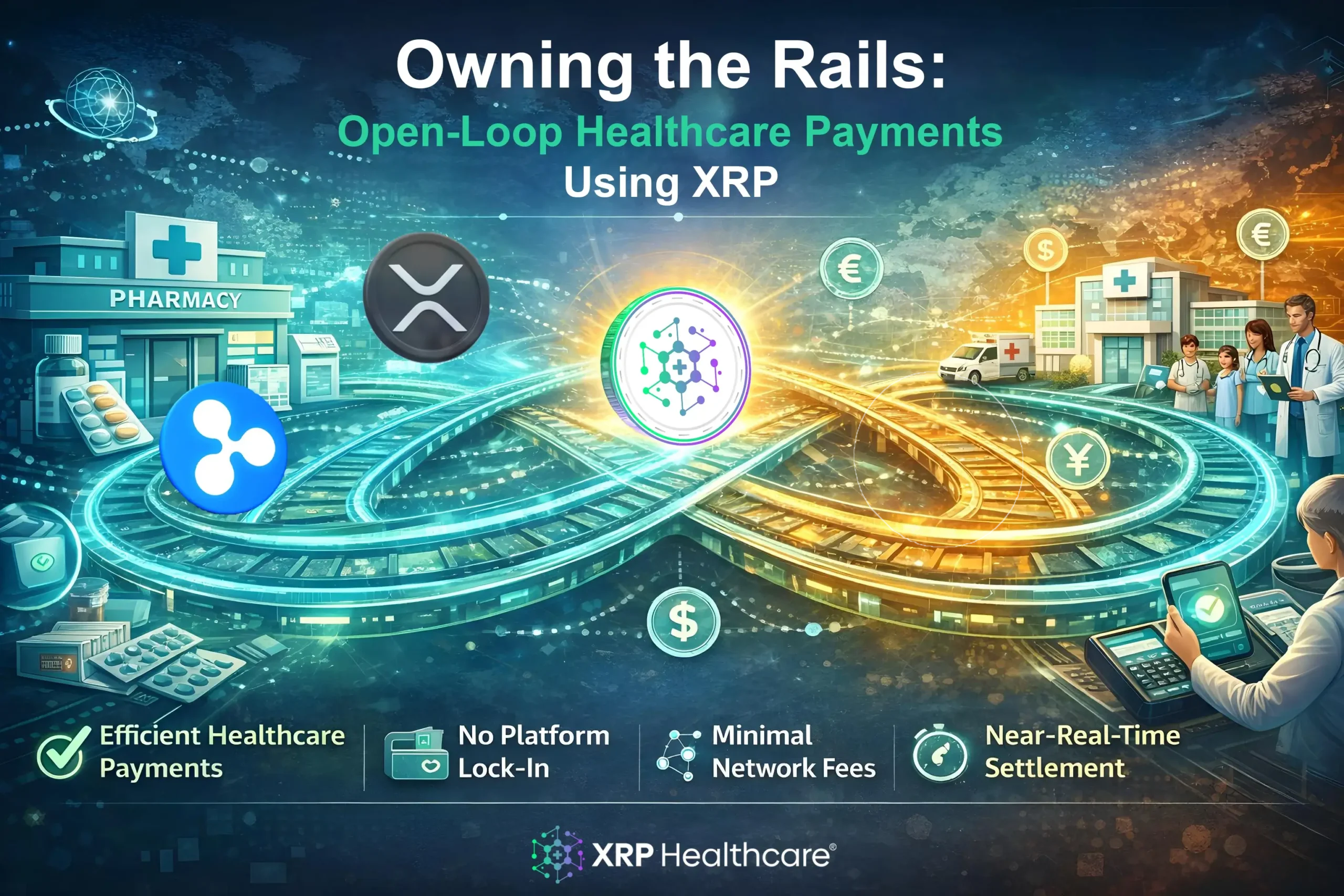
This design positions XRPH not just as a payment tool, but as a foundational infrastructure layer, a financial rail for healthcare that can support everything from local pharmacies to global supply chains.
Key Building Blocks of the XRPH Digital Health Economy
Fast, Low-Cost Payments via XRPL
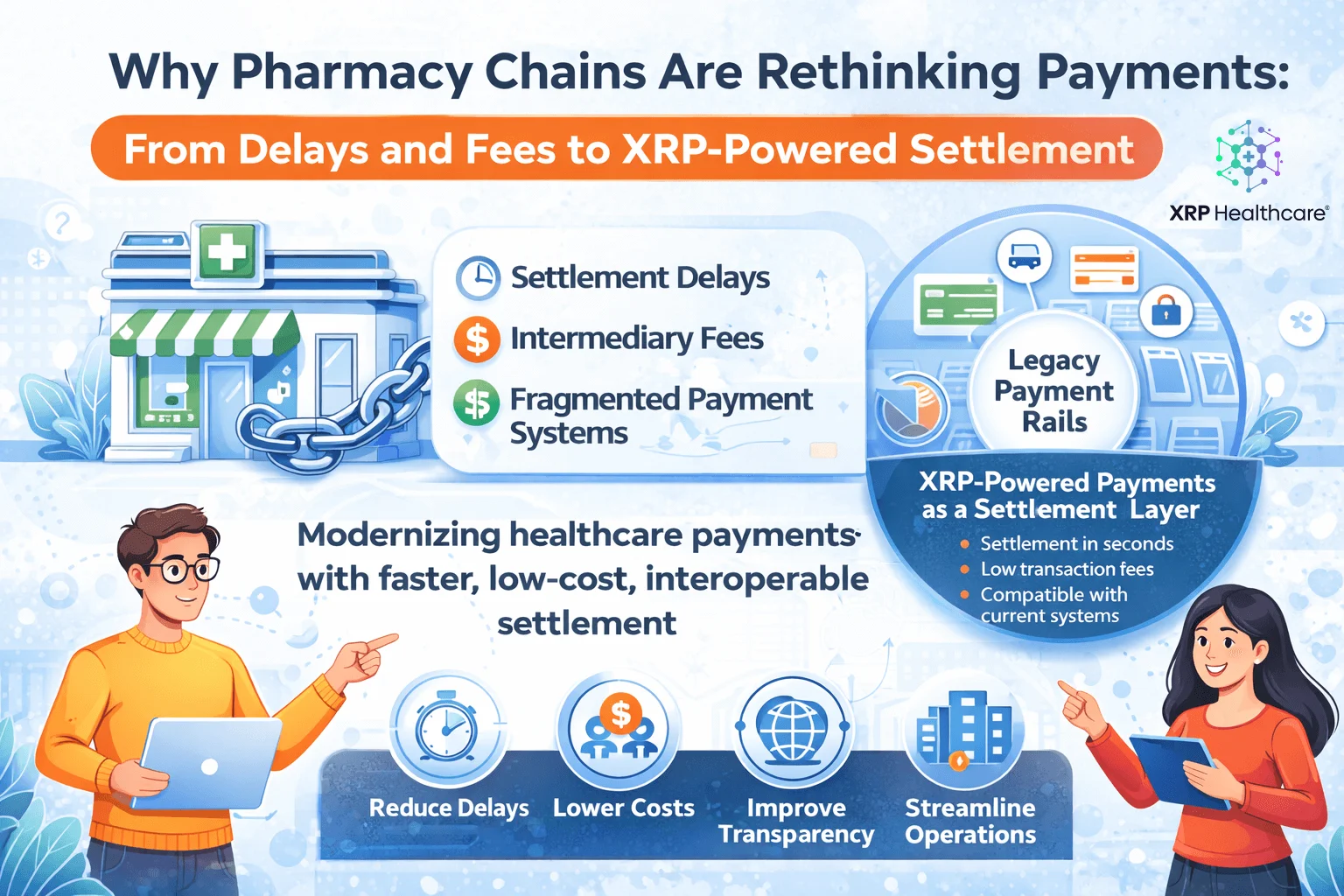
- Traditional payment rails (cards, bank transfers) often involve multiple intermediaries, high fees, and slow settlement. According to XRPH’s own data, a shift from legacy rails to XRPL could save providers and patients from high costs and time. (XRP Healthcare LLC)
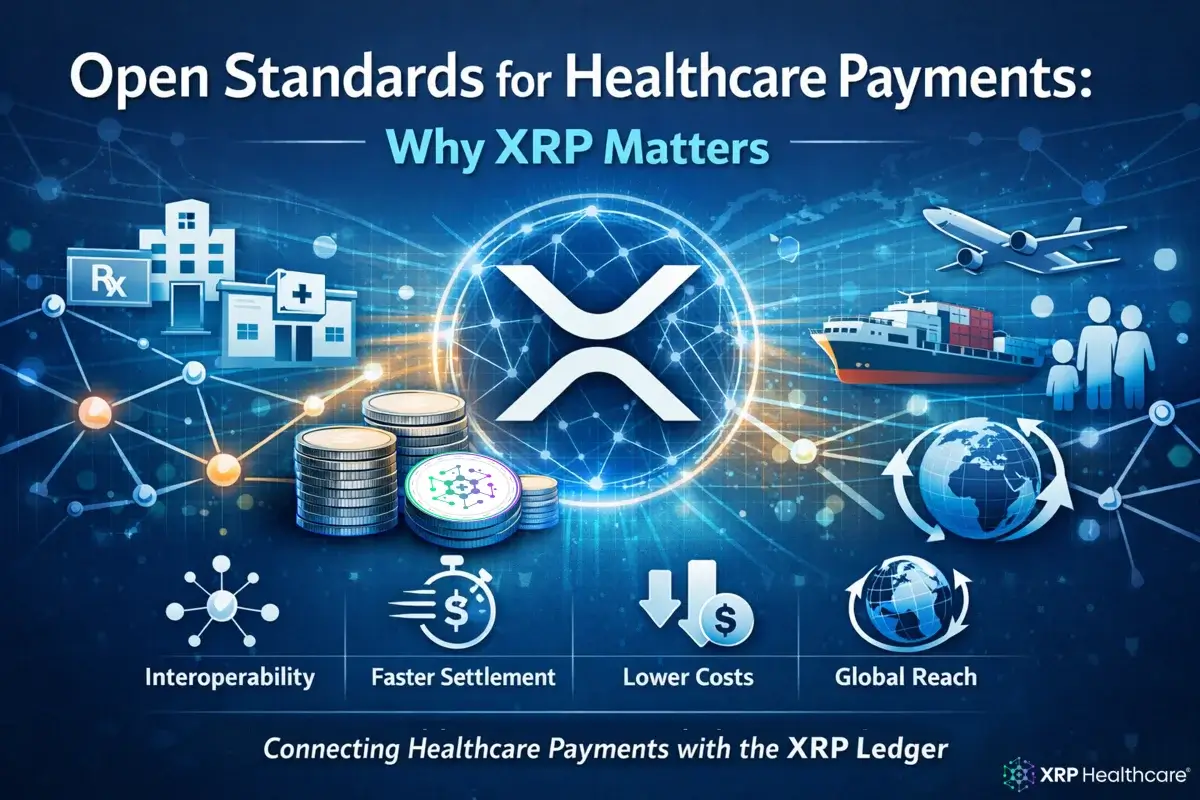
- By settling in 3–5 seconds with negligible fees, XRPH enables instant payments, which are critical for pharmacies, clinics, cross-border patients, and global medical suppliers.
Multi-Token, Multi-Currency Flexibility
- XRPH Wallet supports XRP, XRPH Token, and RLUSD (a USD-pegged asset), giving flexibility to adapt to different use cases: liquidity (XRP), healthcare payments (XRPH), and stable-value settlements (RLUSD).
- The wallet displays balances in major fiat currencies (USD, EUR, GBP, UGX, AED), aiding clarity for international users and providers.
Open-Source & Non-Custodial Architecture, Trust & Transparency
- Because XRPH Wallet is open-source, any developer can audit the code, build a custom wallet, or integrate XRPL payment rails into existing healthcare systems. This openness fosters collaboration and trust.
- Non-custodial design means users (patients or providers) keep control of their private keys, reducing risk associated with centralized custody and aligning with privacy standards in healthcare.
Global Reach, Serving Developed and Emerging Markets
- XRPH Wallet is expanding globally; recent rollout includes both U.S. pharmacies and clinics in East Africa.
- This expansion targets regions where traditional banking infrastructure may be limited or costly, offering financial inclusion and digital payment access to underserved areas.
Real-World Use Cases & Economic Impacts
Pharmacies & Clinics: Everyday Healthcare Payments
- Pharmacies can accept instant payments for prescriptions or consultations, lowering payment friction and improving cash flow. XRPH Wallet supports both retail (patient → pharmacy) and B2B (pharmacy → supplier) workflows.
- Clinics and outpatient centers can generate on-chain invoices, settle payments immediately, and avoid delays common with insurance billing or bank transfers. (gdc.einnews.com)
Global & Cross-Border Healthcare Transactions
- For patients traveling abroad or for cross-border telemedicine services, XRPH enables borderless payment without currency conversion delays or high remittance fees. (techfocusasia.com)
- Suppliers and distributors operating internationally benefit from fast B2B invoice settlement, better liquidity, and reduced currency exchange complications. (PR Newswire)
Lower Costs, Better Access, Especially in Emerging Markets
- Because XRPH transactions consume minimal fees and avoid costly banking intermediaries, smaller clinics, pharmacies, and remote healthcare providers can afford to adopt modern payment rails. This increases financial inclusion and expands access to care.
Ecosystem-Level Growth & Consolidation
- XRPH Wallet doesn’t only serve individual providers; it’s designed for scale. As more pharmacies, clinics, and suppliers adopt the wallet, XRPH can become the default payment infrastructure for a global digital health economy.
- The open-source nature allows white-label wallets and custom integrations, enabling local stakeholders to adapt XRPH’s rails to their region’s needs (e.g. local currency display, compliance workflows, on/off ramps).
Challenges & What Needs Work
While XRPH shows strong promise, building a digital health economy worldwide requires addressing certain issues:
Regulatory & Compliance Considerations
- Healthcare payments are subject to strict regulations (privacy, anti-money laundering, cross-border transfer laws). XRPH providers must navigate these carefully for each jurisdiction.
- On/off ramps (fiat-to-token and vice versa) must comply with local regulations; availability may vary by country. XRPH documentation flags this explicitly. (XRP Healthcare LLC)
User & Provider Adoption
- Pharmacies, clinics, hospitals — especially those with legacy systems — may be slow to adopt blockchain-based wallets.
- Patients may need education about crypto wallets, private keys, and how to use them safely for healthcare payments.
Infrastructure & Liquidity in Emerging Markets
- For XRPH to work globally, there must be accessible on/off ramps, exchanges, and token liquidity, particularly crucial in underbanked or developing regions.
- Local integration with existing billing, pharmacy management, and supply chain systems may require technical support.
Why XRPH’s Approach Matters for the Future of Healthcare Finance
Building a Unified, Global Payment Rail for Healthcare
By offering a blockchain-native, open-source wallet with instant settlement, low fees, and multi-token support, XRPH is creating a unified payment architecture that can serve varied stakeholders worldwide: patients, pharmacies, clinics, suppliers, cross-border services, and more.
Democratizing Access, From Advanced Clinics to Remote Pharmacies
Because XRPH is non-custodial, open-source, and minimal-cost, small pharmacies and clinics, even in emerging markets, can adopt the wallet without heavy infrastructure or licensing costs. This levels the playing field and expands access to digital health services.
Aligning Incentives with Real-World Utility
Rather than focusing solely on speculative token value, XRPH’s roadmap (per its public documentation) stresses real-world payments, utility, and adoption, making it a practical tool rather than a speculative asset. (gdc.einnews.com)
Conclusion
XRPH is more than just a wallet or token, it’s a vision for a new digital health economy. XRPH uses open-source blockchain tech to enable fast, affordable, and borderless healthcare payments.
As pharmacies, clinics, suppliers, and patients adopt XRPH, the potential is there for a global shift: one where healthcare payments are instant, cheap, secure, and accessible, regardless of geography.
For anyone building or managing a healthcare service or project, from individual pharmacies to large networks, XRPH offers a compelling blueprint for the future.