What Is the Healthcare Supply Chain?
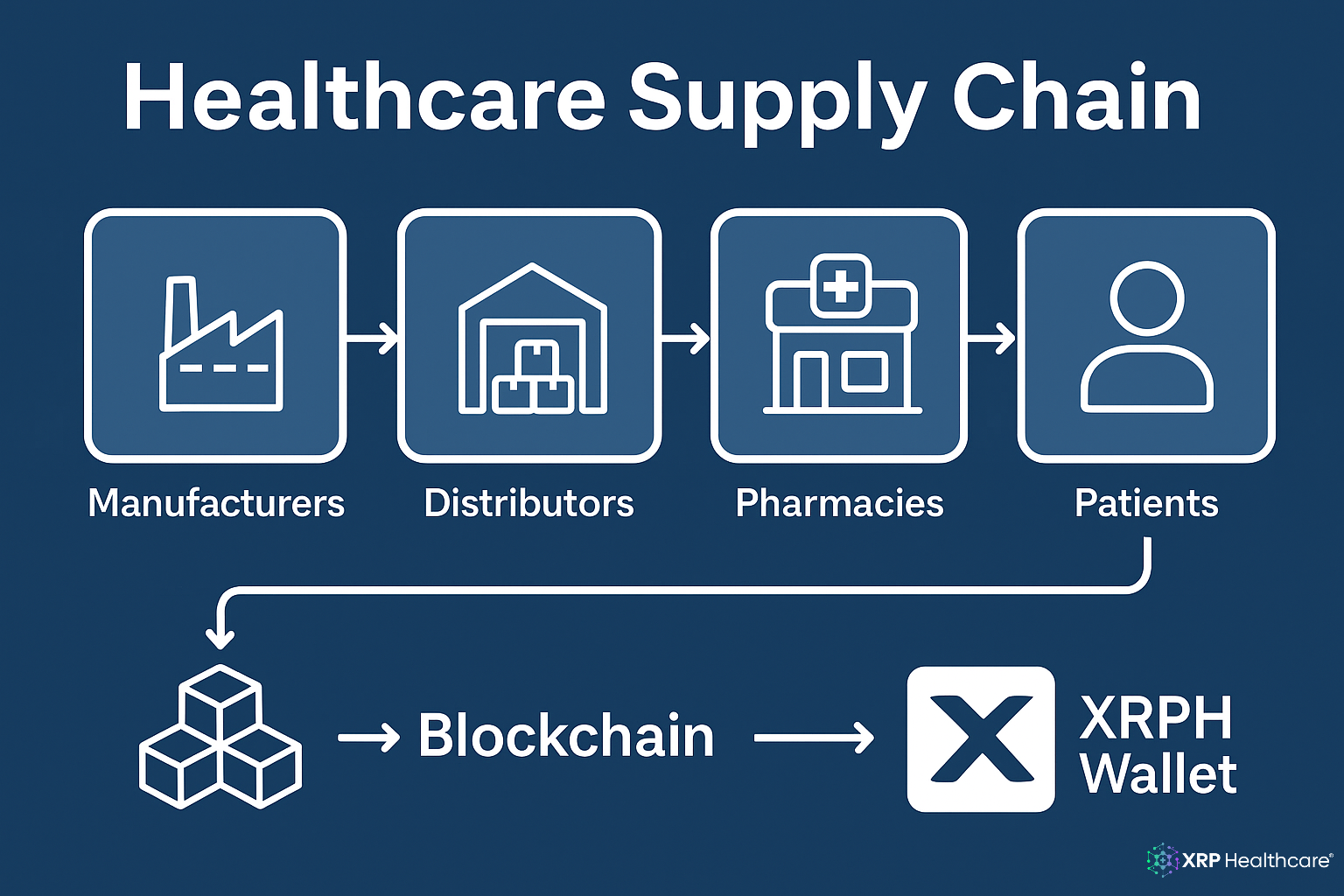
The healthcare supply chain manages how medical products move. It covers medicines, devices, and equipment. The flow starts from manufacturers. It ends with hospitals, clinics, and pharmacies. This chain must be fast. It must be secure. It must be transparent. Any delay can affect patient care. Modern healthcare supply chains now use digital tools. Blockchain is one of them. It improves trust and efficiency.
Key Components of the Healthcare Supply Chain
Manufacturing & Sourcing
Pharmaceutical companies produce medicines. Medical device firms build equipment.
Raw materials must meet strict standards. Quality checks are critical at this stage. Counterfeit drugs are a major risk globally. Supply-chain visibility helps reduce this risk. (WHO highlights this as a global concern.)
https://www.who.int/news-room/fact-sheets/detail/substandard-and-falsified-medical-products
Distribution & Logistics
Products move through distributors and wholesalers. They are stored in warehouses. They are transported to healthcare providers. Temperature control is essential. Tracking is mandatory for many drugs. Delays can cause shortages. Digital tracking improves accountability.
Payments & Settlements
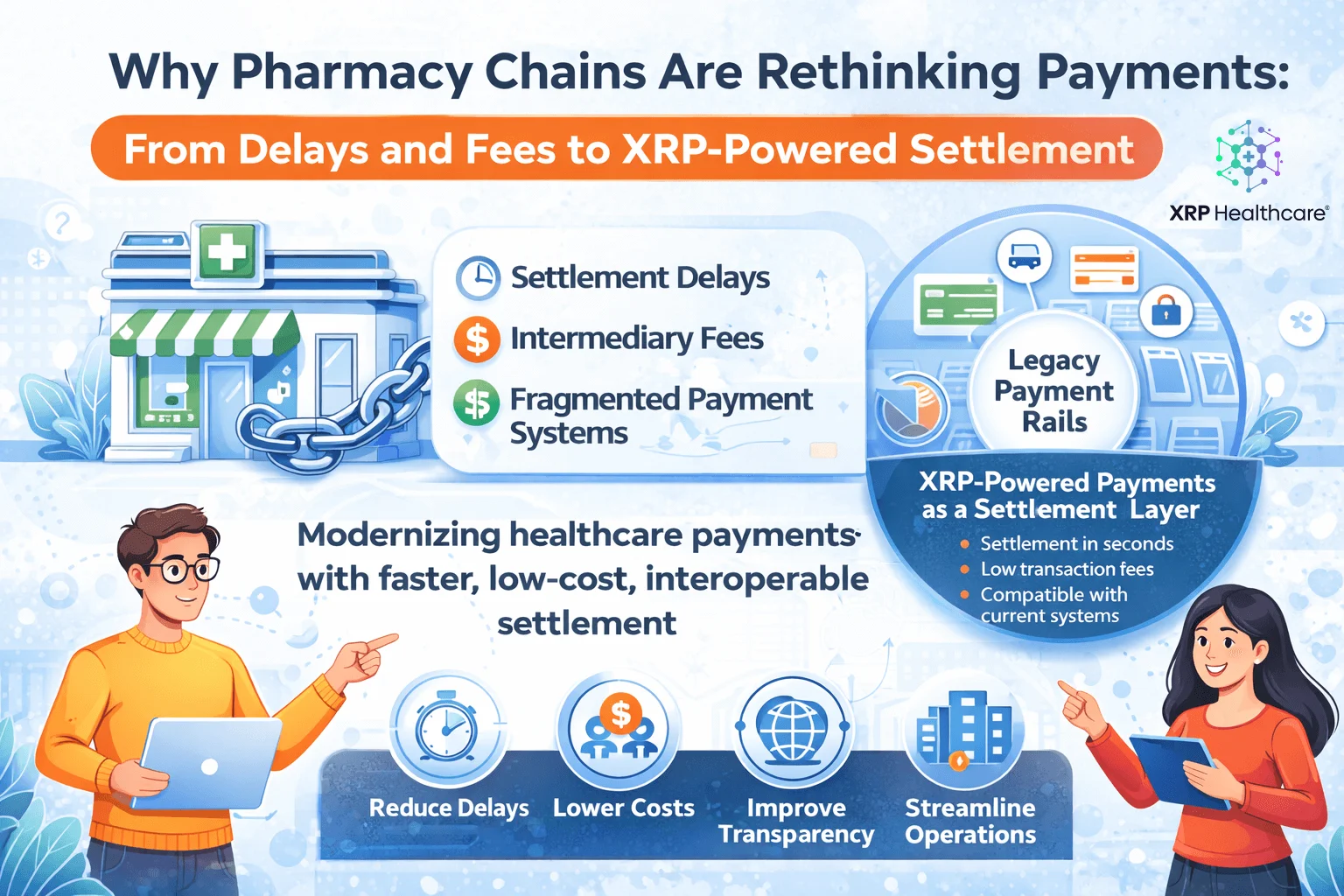
Payments are a major bottleneck. Traditional systems are slow. They involve multiple intermediaries. Blockchain-based systems solve this. They enable instant settlement.
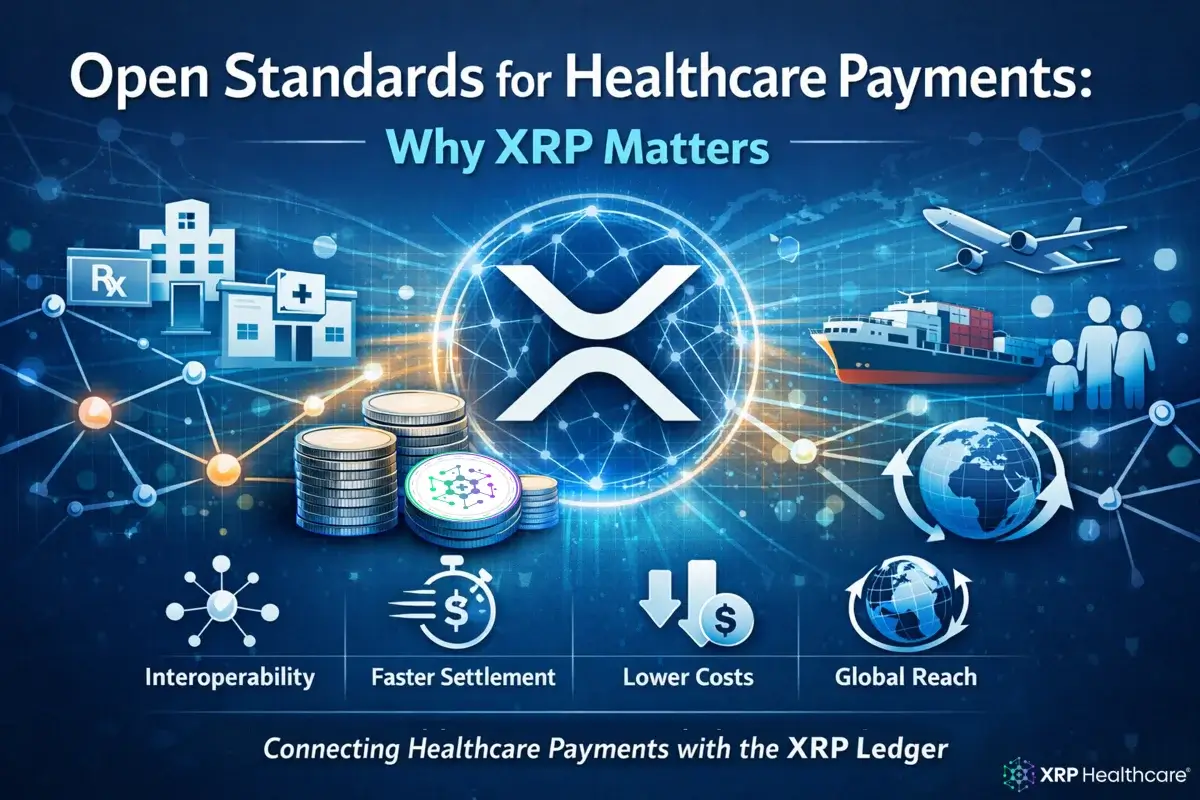
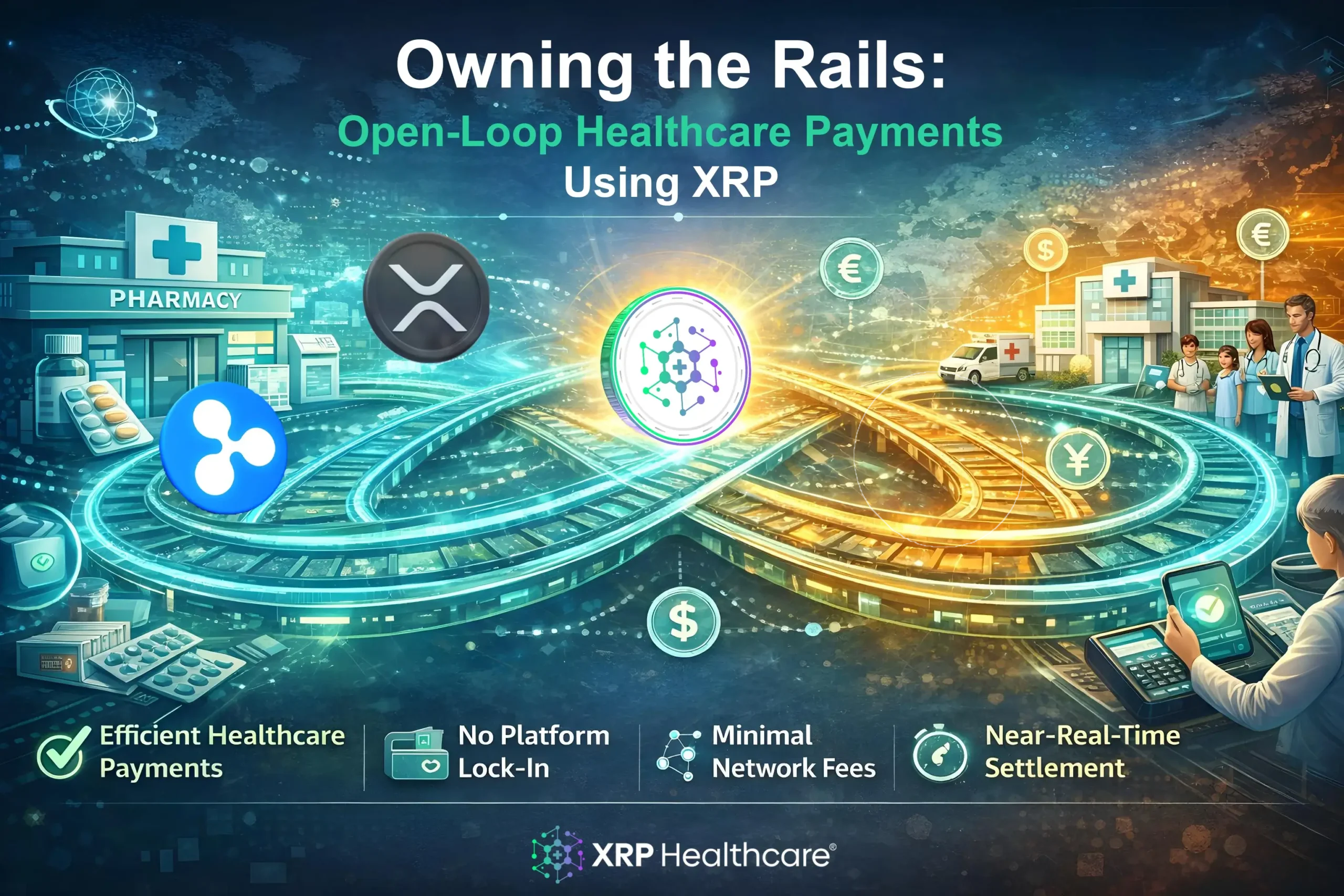
They reduce transaction costs. Platforms built on XRPL can help. XRPH Wallet supports real-time healthcare payments. This aligns with the vision of XRP Healthcare.
https://xrphtoken.com/
How Blockchain Improves the Healthcare Supply Chain
Transparency & Traceability
Blockchain records data on an immutable ledger. Each transaction is time-stamped. Each record is verifiable. This helps track medicines end-to-end. It reduces fraud and counterfeits. It improves audit readiness. IBM highlights blockchain’s role in supply-chain traceability.
https://www.ibm.com/topics/blockchain-supply-chain
Faster Global Payments
Healthcare supply chains are global. Suppliers operate across borders. XRPL processes transactions in seconds. Fees are extremely low. This helps suppliers and pharmacies settle faster. XRP-based systems reduce reliance on banks. They improve cash flow.
Better Coordination Between Stakeholders
Manufacturers, distributors, and pharmacies share data. Blockchain ensures a single source of truth. Disputes are reduced. Operations become smoother.
Real-World Relevance to XRP Healthcare
XRP Healthcare focuses on healthcare payments and infrastructure. XRPH Wallet is built for this ecosystem. It supports fast, secure settlements. It is designed for pharmacies and clinics.
When combined with supply-chain tracking, payments become seamless. This creates a stronger healthcare supply chain. https://www.xrphealthcare.ai/
Challenges in the Healthcare Supply Chain
Regulation & Compliance
Healthcare is highly regulated. Supply-chain systems must meet local laws. Data privacy is critical.
Technology Adoption
Some providers still use legacy systems. Integration takes time. Training is required.
Conclusion
The healthcare supply chain is vital to patient care. It must be secure, fast, and transparent.
Digital tools are now essential. Blockchain improves traceability and payments. XRPL-based systems support real-time settlements. Solutions like XRPH Wallet align with this future. A modern healthcare supply chain saves time. It saves cost and lives.