Introduction
Legacy banking systems trap healthcare payments, causing long settlement times, high fees, and cross-border barriers that slow access to essential services.
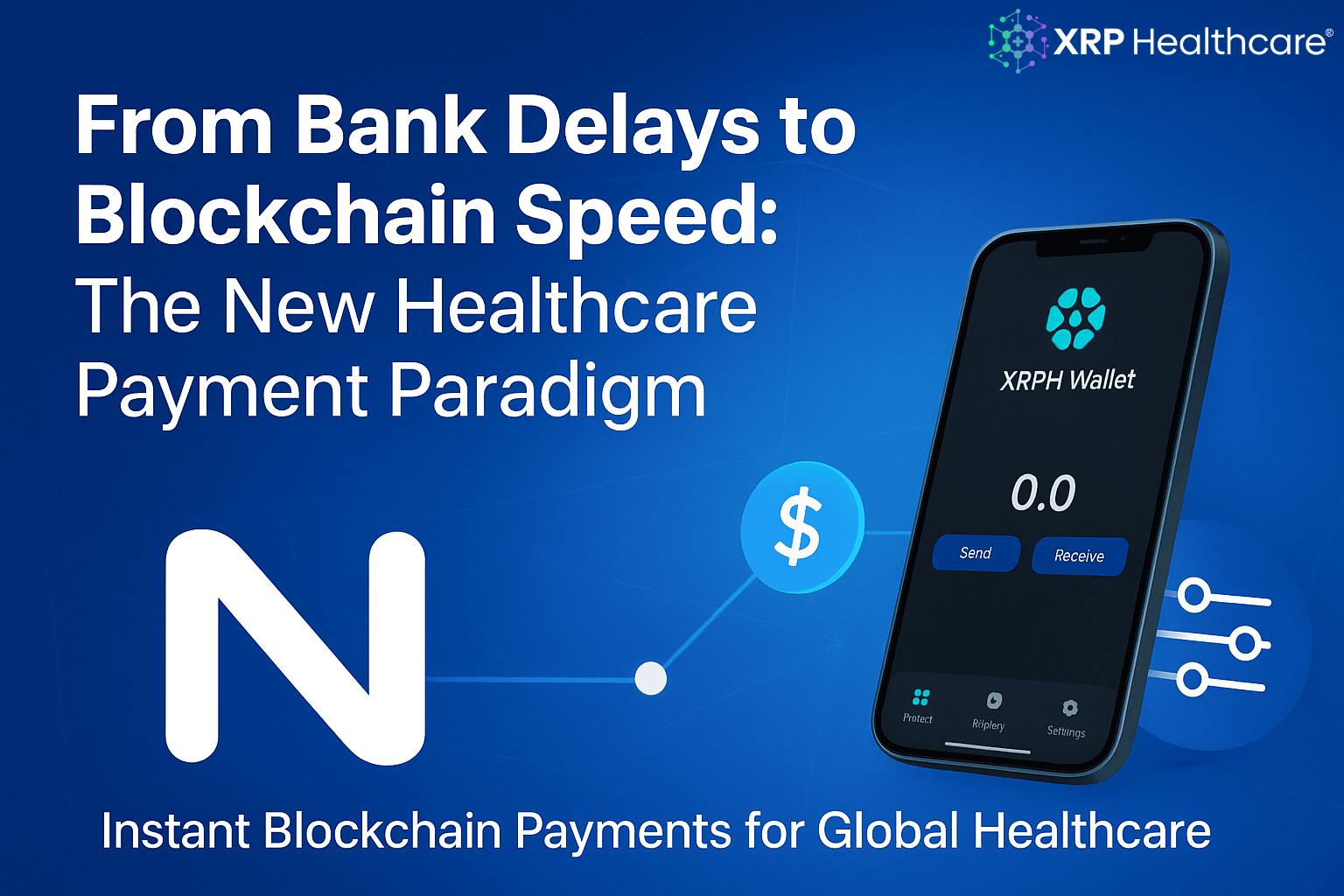
The release and adoption of the XRPH Wallet, built on the XRP Ledger (XRPL), marks a shift: from bank delays to blockchain speed, enabling fast, low-cost, and borderless payments for healthcare providers and patients alike.
The Challenge of Traditional Healthcare Payments
Legacy Systems Create Friction
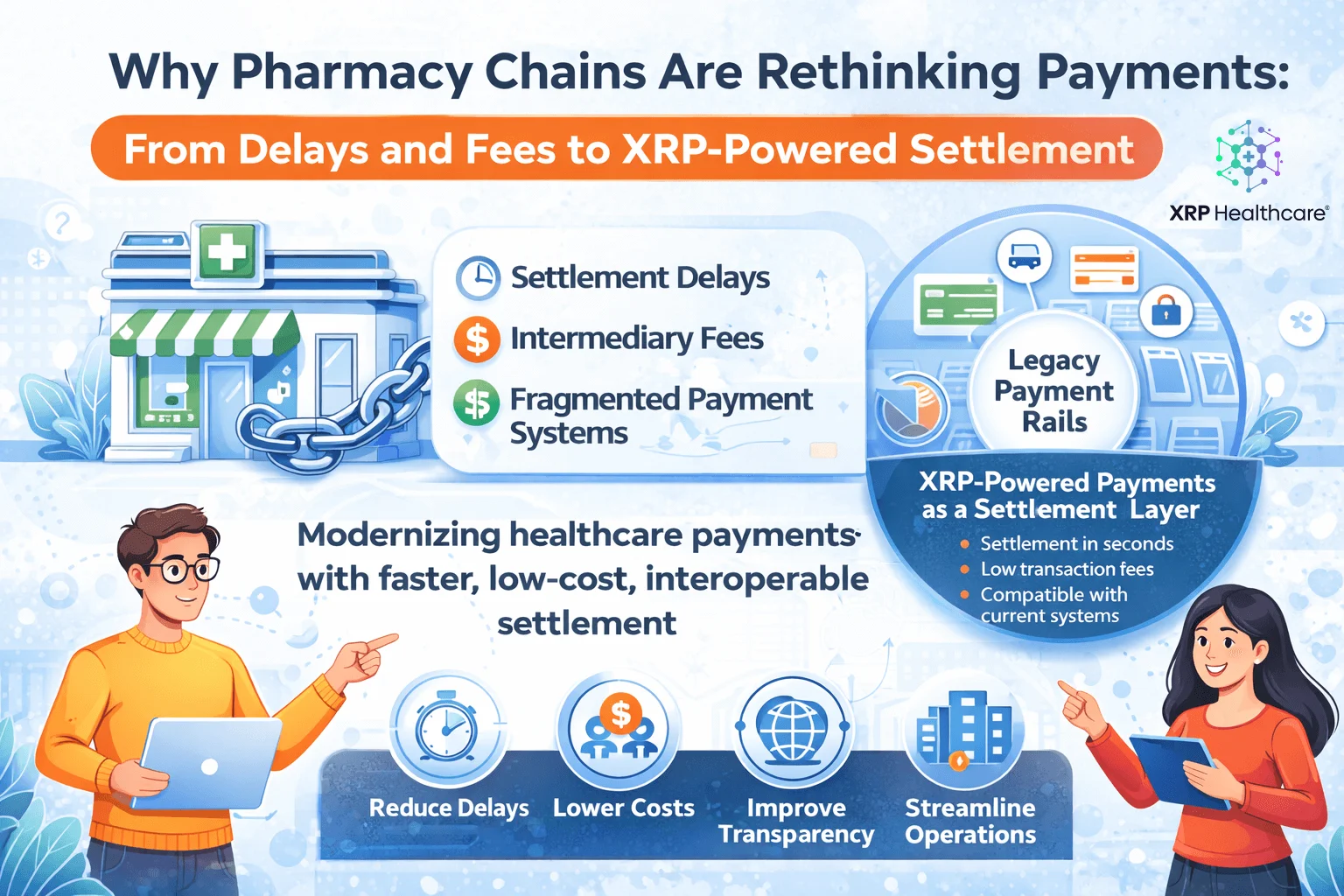
Banks and payment processors dominate healthcare payment infrastructure. But for many providers, especially in emerging markets, delays of days and fees of 2-5% or more are burdensome. These delays impact cash flow and reduce access to care.
Why Blockchain Offers a New Paradigm
The XRPL is engineered for speed and low cost—settling thousands of transactions in seconds at minimal fees. (xrpl.org) By building the XRPH Wallet on this foundation, healthcare payments leapfrog outdated rails.
How the XRPH Wallet Delivers Blockchain Speed
Real-Time Settlement in Seconds
With XRPH Wallet, payments to providers or pharmacies can settle in 3-5 seconds at negligible transaction costs. This transition is fundamental for healthcare cash flow. (CoinMarketCap)
Multi-Token & Borderless Payment Flexibility
The wallet supports tokens like XRPH and XRP, and also integrates stablecoins (e.g., RLUSD) for USD-pegged payments, enabling global use without currency or banking friction.
Open-Source, Non-Custodial Architecture
Providers and patients retain full control of their wallets—no banks, intermediaries, or long clearing times. The non-custodial, open-source design also supports trust and integration. (Google Play)
Industry Implications: What This Shift Means
Cost Savings and Efficiency Gains
Reducing settlement times and fees means more working capital stays within clinics and pharmacies. With blockchain speed, providers can focus on care rather than payment disruptions.
Enhanced Global Access
In regions where banking infrastructure is weak or transfer delays are common, the XRPH Wallet introduces payments that bypass traditional rails—enabling cross-border care and supply chains in minutes.
Trust and Transparency
Every transaction is recorded on the XRPL, offering auditability and reducing risks of fraud or lost payments. This transparency supports regulatory compliance and provider confidence.
Looking Forward: The Wider Impact
As healthcare infrastructure globally digitizes, payment systems must modernize too. The XRPH Wallet is more than a tool—it’s an indicator of a new payment model: fast, global, transparent. Clinics, pharmacies, and health systems that adopt blockchain-based rails position themselves for improved efficiency and access.
Conclusion
The shift from traditional bank-based payments to blockchain-powered settlement reflects a paradigm change in healthcare finance. The XRPH Wallet, built on the XRP Ledger, demonstrates how the industry can escape delays, reduce costs, and enable real-time global access to care.
Healthcare payments are no longer constrained by legacy rails—they are defined by blockchain speed.