Introduction: The Need for Faster Healthcare Payments
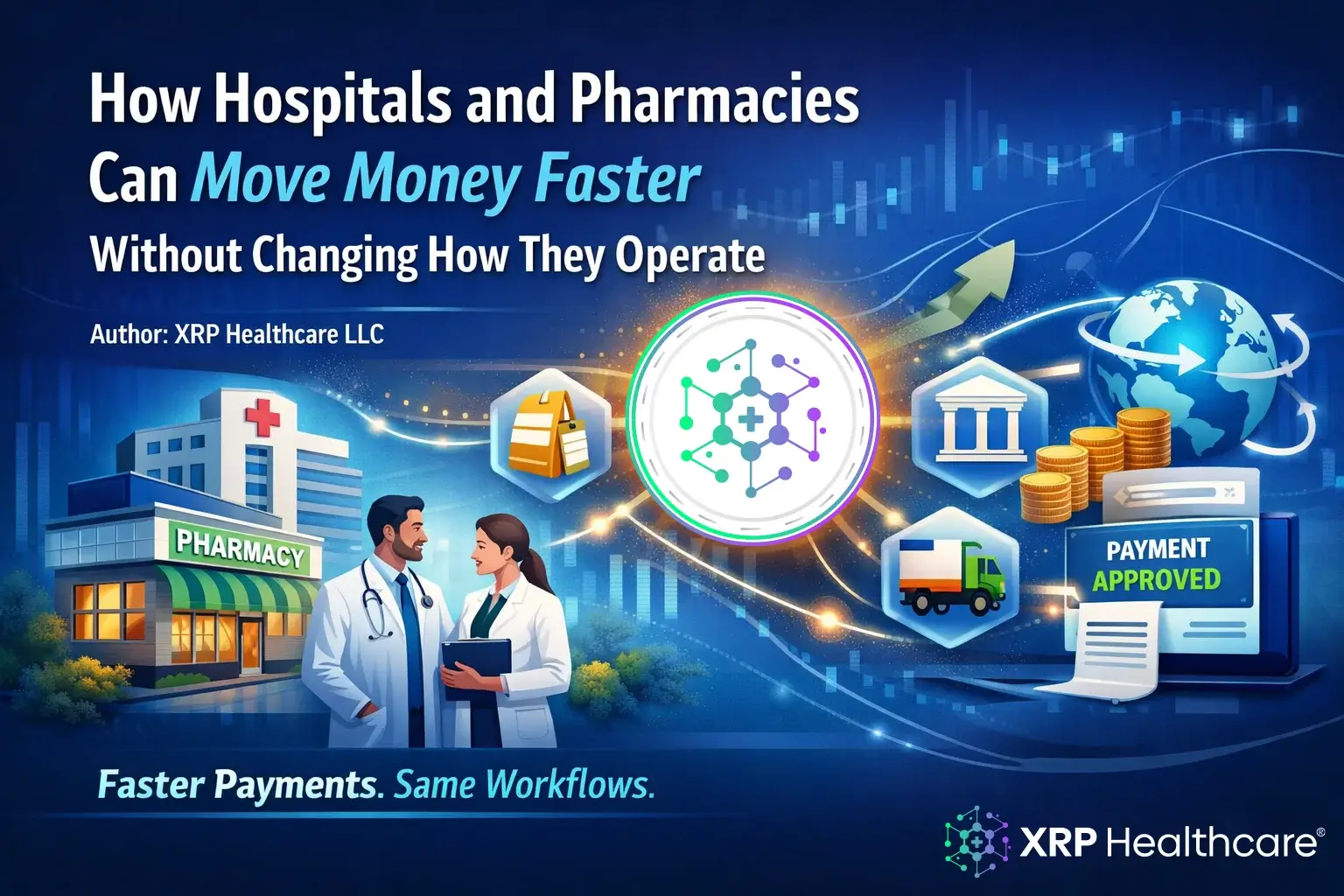
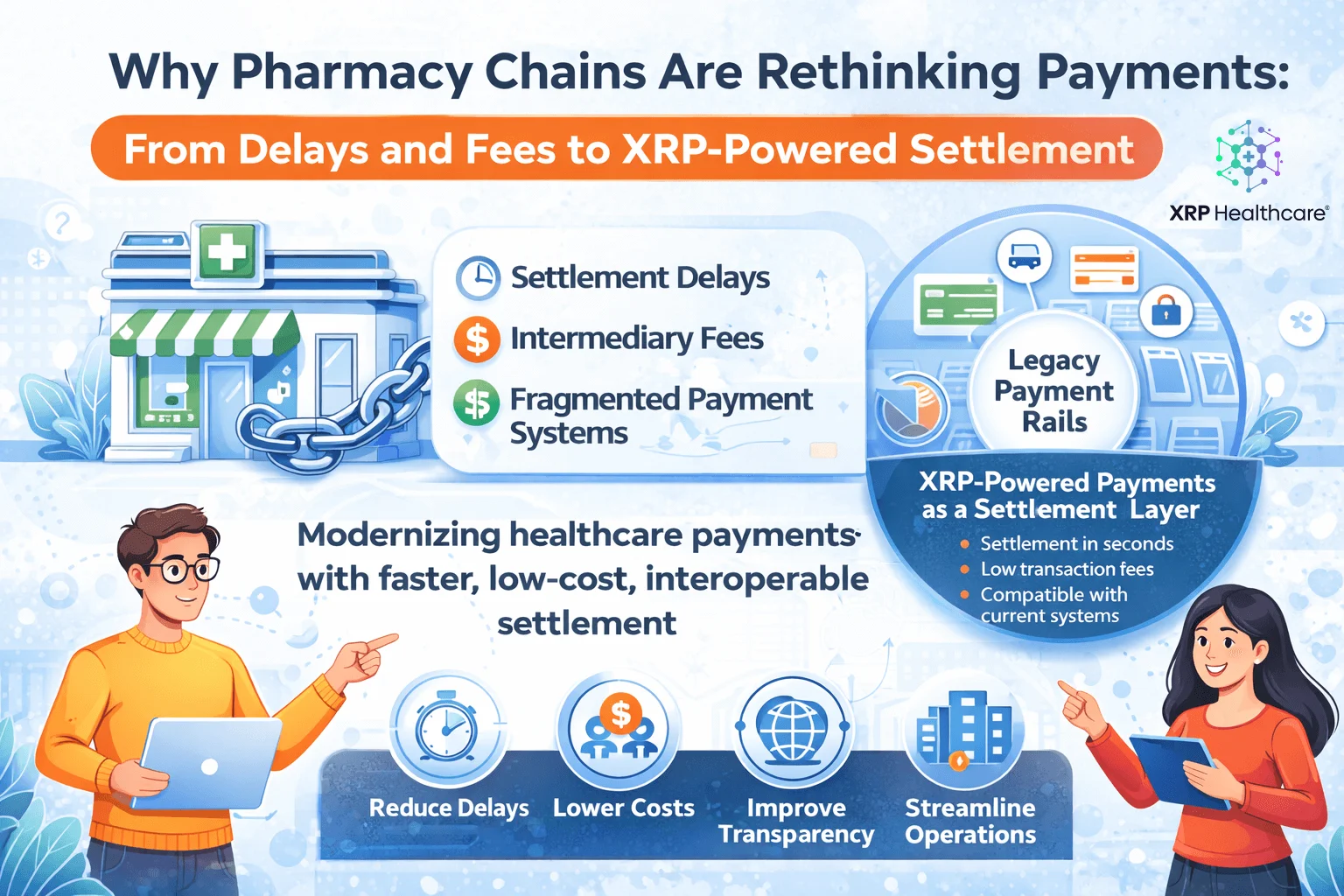
Healthcare payments are notoriously slow, expensive, and opaque. Traditional banking systems can delay patient-to-provider payments for days, charge high fees, and create administrative burdens for clinics and pharmacies. The XRPH token and XRP Ledger (XRPL) offer a decentralized solution that delivers fast, low-cost, and transparent healthcare payments.
What is XRPH and How It Works
XRPH is the native token of XRP Healthcare LLC, designed to streamline payments in the healthcare sector. It runs on the XRP Ledger (XRPL), a fast, low-cost, and decentralized blockchain.
Key components of the XRPH ecosystem:
- XRPH Wallet: Non-custodial, HIPAA-grade, open-source wallet for healthcare payments. (Learn More)
- XRPH Token: Utility token for payments within the ecosystem.
- RLUSD: USD-backed stablecoin for fiat-equivalent transactions.
- XRP: Native ledger token for liquidity and fees.
XRPH enables clinics, pharmacies, hospitals, and patients to send and receive payments instantly, whether locally or internationally.
Why Traditional Healthcare Payments Are Inefficient
- High fees: Bank transfers and credit card payments often charge 2–5% per transaction.
- Slow settlement: Payments can take days to clear.
- Administrative overhead: Manual reconciliation, billing errors, and cross-border transfers increase complexity.
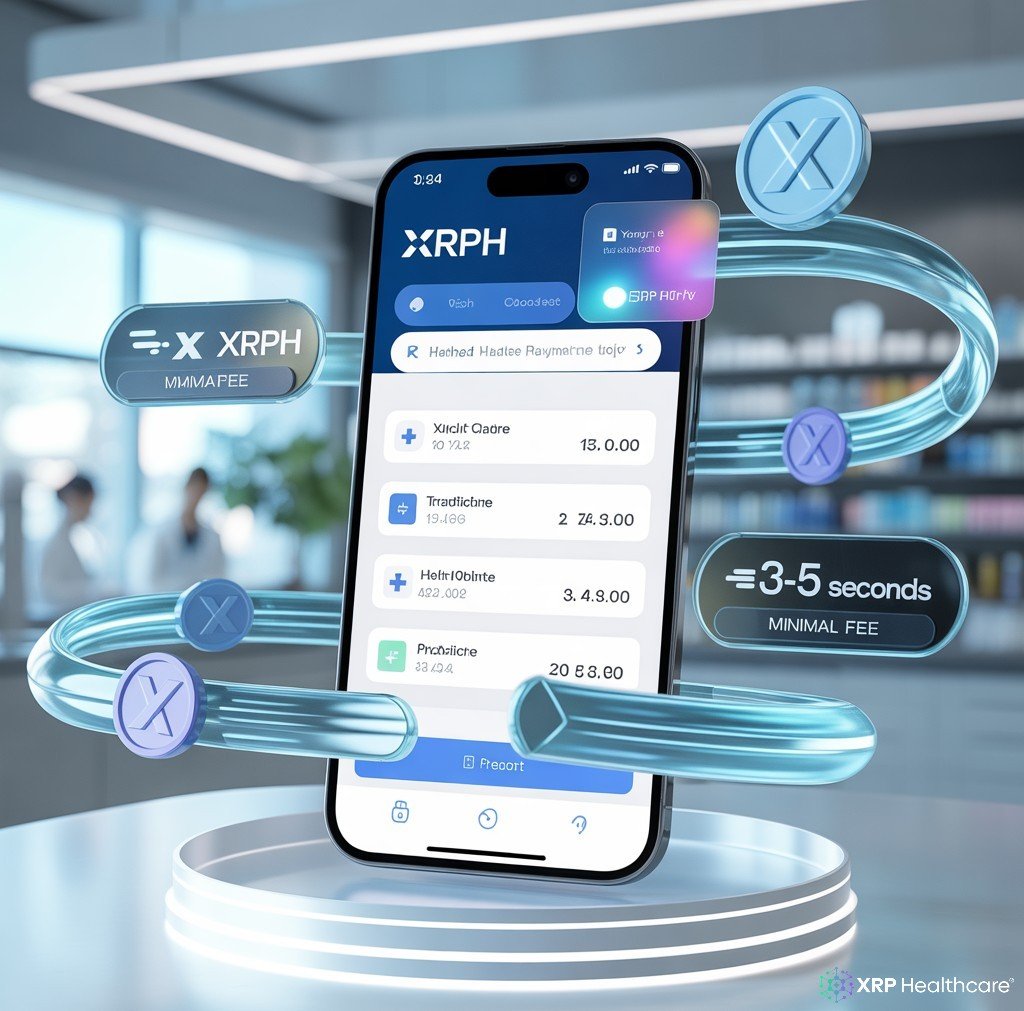
With XRPH, transactions settle in 3–5 seconds, at a fraction of a cent in fees, significantly reducing friction and costs. (Source)
XRPH Wallet: Secure and Transparent Payments
The XRPH Wallet is specifically designed for healthcare:
- Non-custodial: Users retain full control of funds.
- HIPAA-grade privacy: No patient health data is stored or transmitted.
- Open-source: Clinics and developers can customize or integrate it into their systems.
- Multi-token support: Accept XRP, XRPH, or RLUSD.
Providers can instantly generate invoices, share QR codes, and receive on-chain payments, bypassing traditional banking delays.
Benefits of XRPH in Healthcare
1. Speed and Low Cost
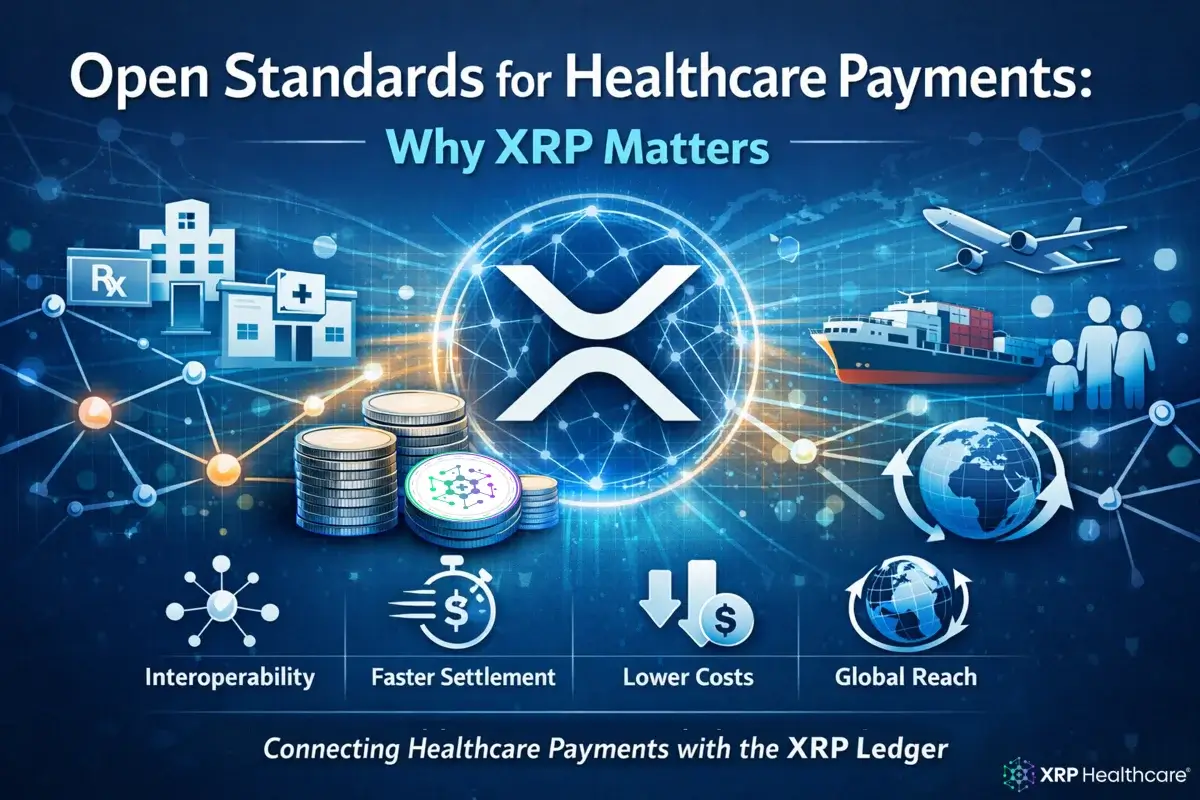
Transactions on XRPL settle within seconds, with minimal fees. This efficiency improves cash flow for providers and reduces payment friction for patients.
2. Transparency and Auditability
Every transaction is recorded on the blockchain, creating a tamper-proof, auditable payment history.
3. Global Reach
XRPH enables cross-border payments for medical services, supplies, and pharmaceutical transactions, ideal for medical tourism and international patients.
4. Multi-token Ecosystem
- XRPH Token: Internal payments within the XRPH ecosystem.
- RLUSD Stablecoin: Stable, fiat-equivalent payments.
- XRP: Quick liquidity and transaction fees.
This flexibility ensures healthcare payments are fast, secure, and accessible worldwide.
Real-World Use Cases
- Pharmacies and Clinics: Accept payments from patients and insurers globally; reduce billing delays.
- Patients and Families: Send funds for treatment or prescriptions internationally.
- Medical Supply Chains: Ensure timely payments to suppliers and distributors.
- Emerging Markets: Provide access to global healthcare payments in regions with limited banking infrastructure.
Challenges and Considerations
While XRPH provides a transformative solution, adoption requires:
- Regulatory approval: Healthcare is a highly regulated sector.
- Liquidity and adoption: Providers must accept XRPH, RLUSD, or XRP for network effects.
- Token volatility: RLUSD mitigates risks for stable fiat-equivalent payments.
- Technical integration: Clinics and pharmacies may need to integrate XRPH Wallets into their billing systems.
Why XRPH is the Future of Healthcare Payments
XRPH leverages decentralization, blockchain transparency, and multi-token flexibility to modernize healthcare payments. Patients, providers, and supply chains benefit from:
- Near-instant payments
- Reduced costs and administrative overhead
- Transparent, audit-ready transactions
- Global accessibility
XRPH is not just a token; it’s a complete ecosystem enabling the next generation of healthcare payments.