Introduction
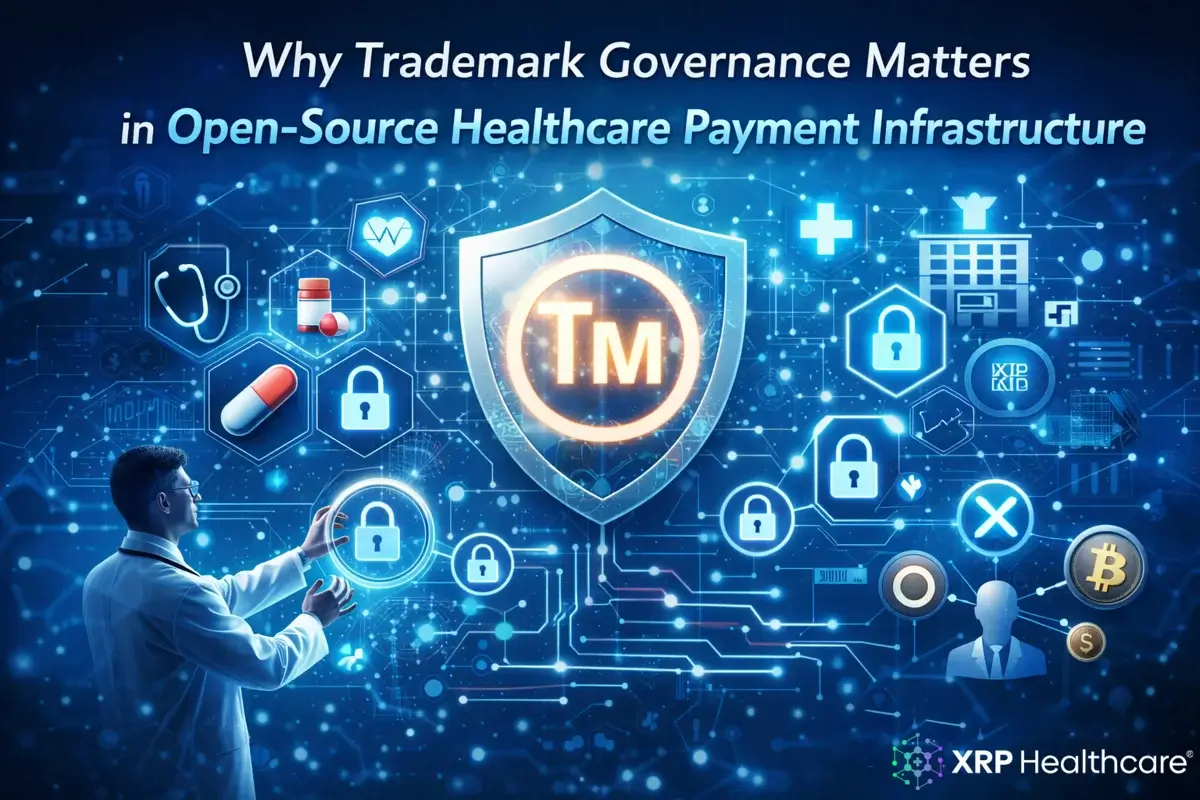
Healthcare payment systems demand trust, interoperability, and neutrality. As open-source payment infrastructure expands within healthcare, trademark governance becomes essential — not to restrict innovation, but to ensure clarity, safety, and long-term adoption.
Clear trademark ownership enables open systems to scale responsibly.
https://www.wipo.int/trademarks/en/
Infrastructure Requires Governance
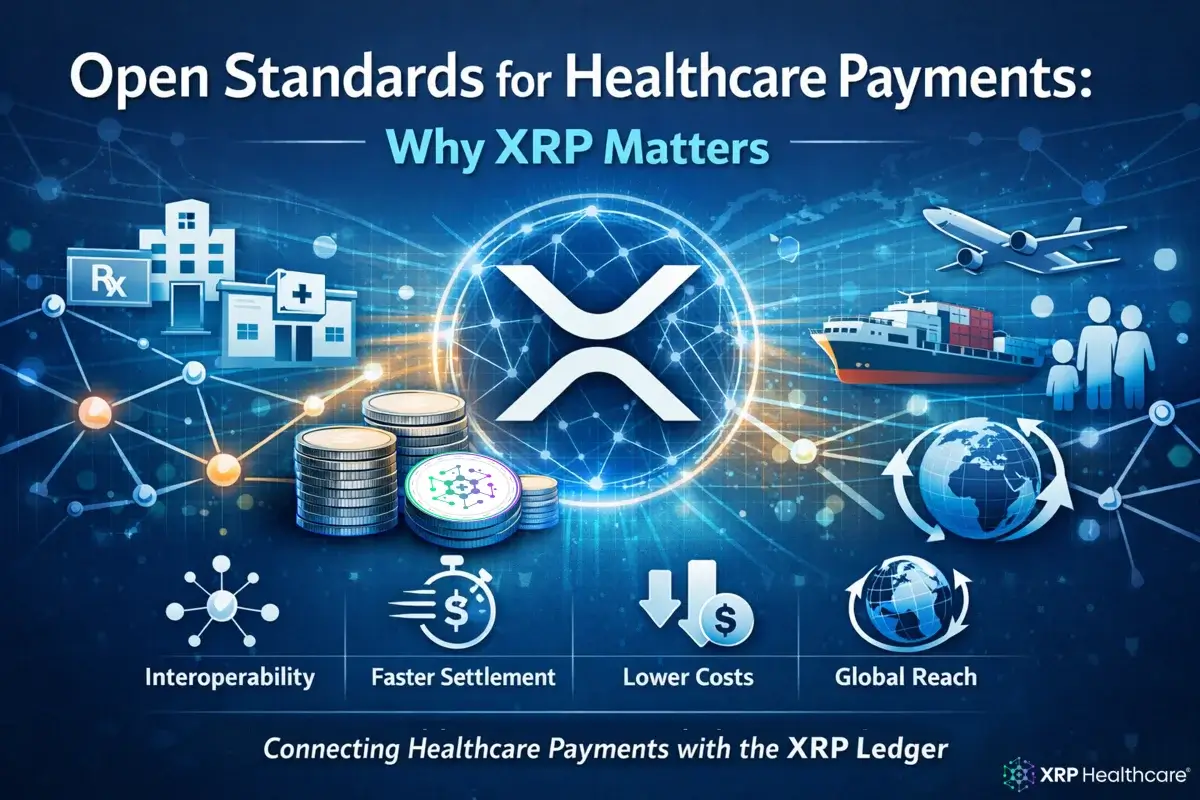
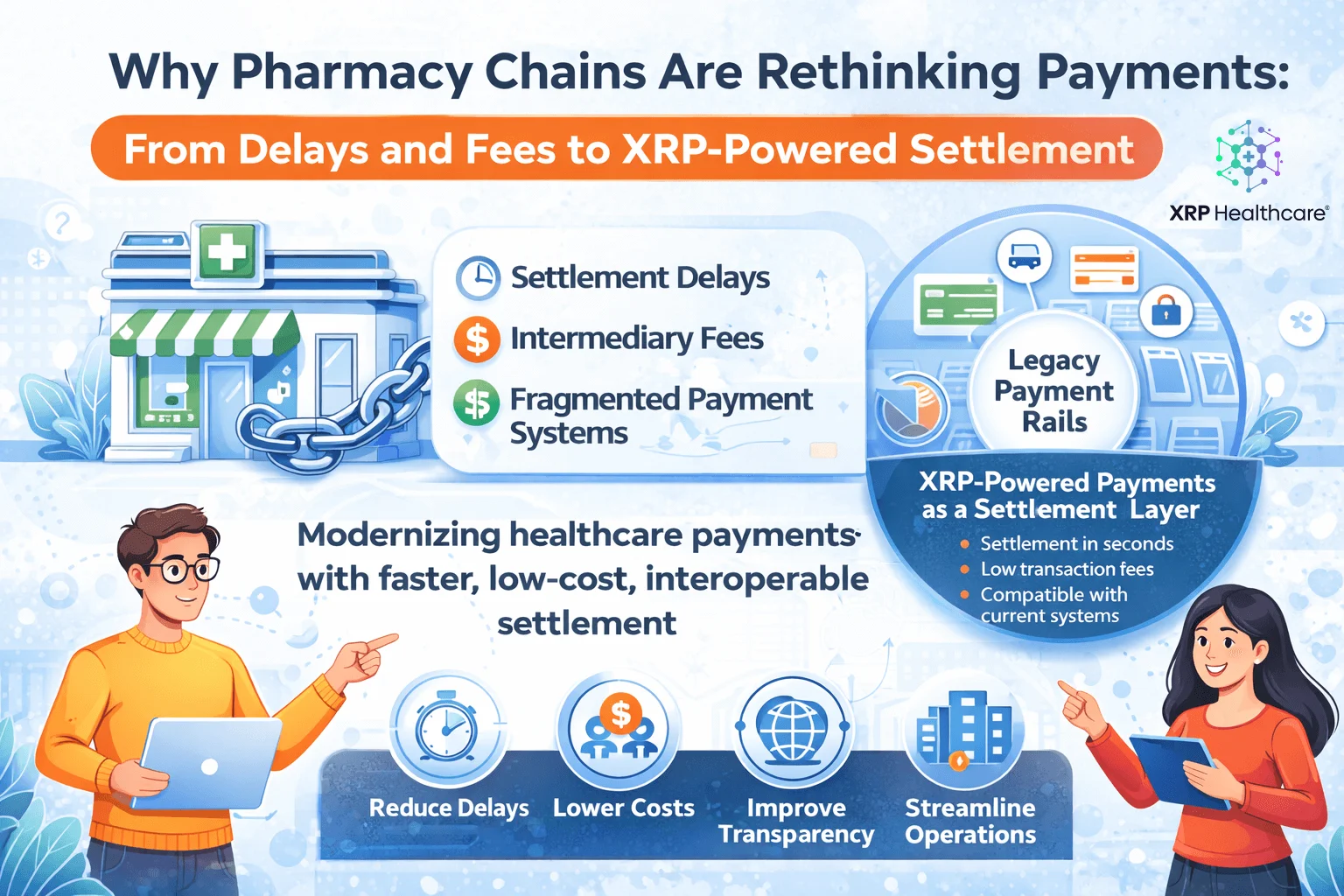
Open payment rails allow multiple healthcare providers, pharmacies, and systems to interoperate. Without governance, confusion increases, trust erodes, and adoption slows.
Trademark governance provides clarity across ecosystems, ensuring participants can build confidently on shared infrastructure.
Payment Rails Outlast Applications
Applications evolve. Infrastructure endures.
Healthcare payment systems require payment rails that remain neutral, interoperable, and resilient across time.
This separation between infrastructure and implementation is essential for sustainable healthcare innovation.
Why Trademarks Matter in Open Systems
In open-source healthcare payment environments, trademarks prevent misuse, preserve system integrity, and protect participants while enabling innovation.
This model mirrors how global financial infrastructure has scaled safely for decades.
The Role of XRP Healthcare LLC
XRP Healthcare LLC operates as an infrastructure and trademark governance layer supporting XRP-based healthcare payment systems.
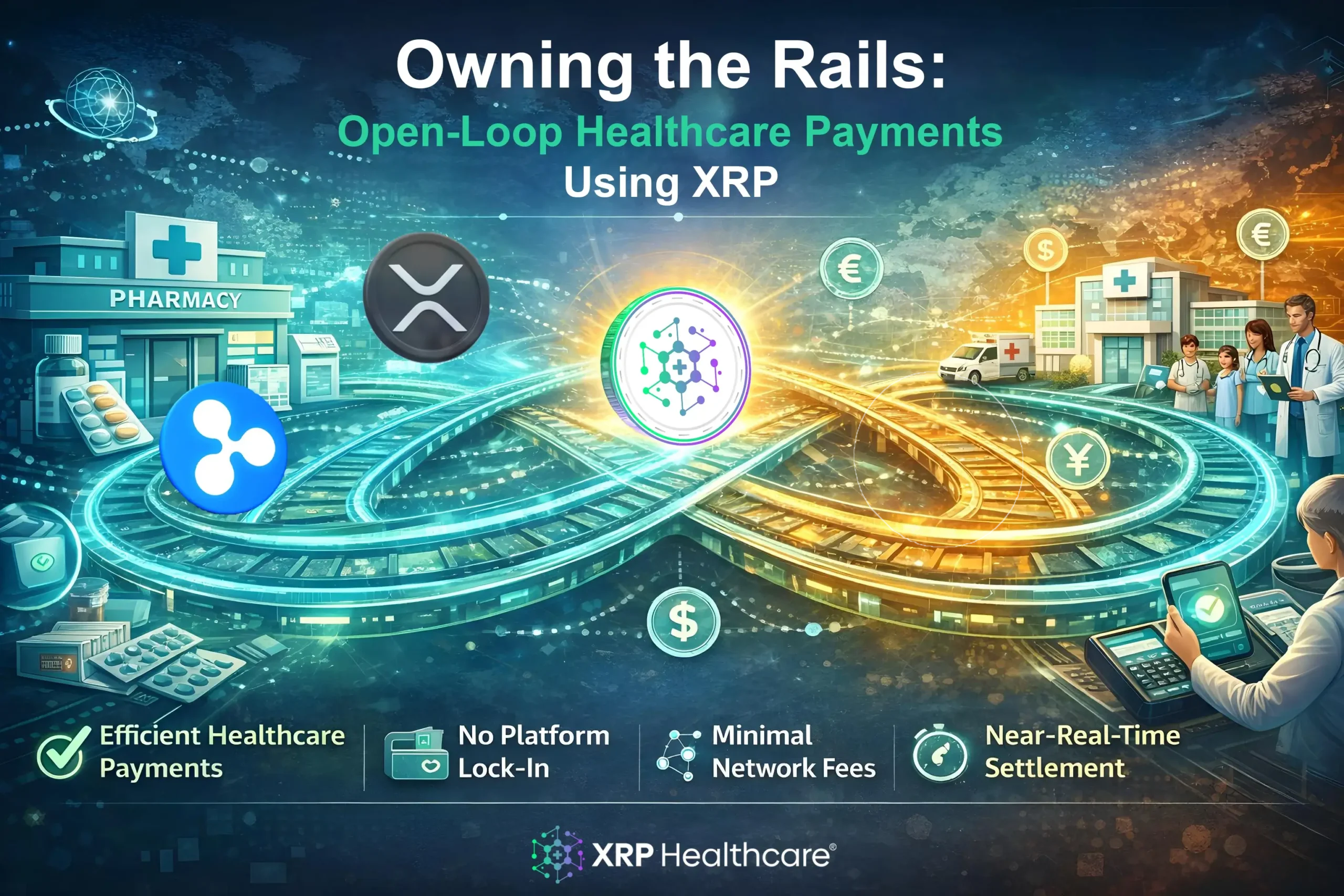
This role enables open payment loops, interoperability, and long-term clarity without vendor lock-in.
Frequently Asked Questions
Why do open systems still need trademarks?
Trademarks prevent confusion and protect users while allowing innovation to flourish.
Are trademarks restrictive in open-source infrastructure?
No. They provide governance and clarity, not control.
Why is governance critical in healthcare payments?
Healthcare systems require trust, reliability, and continuity across long time horizons.
Do payment rails outlast applications?
Yes. Infrastructure layers historically endure beyond individual applications