Introduction
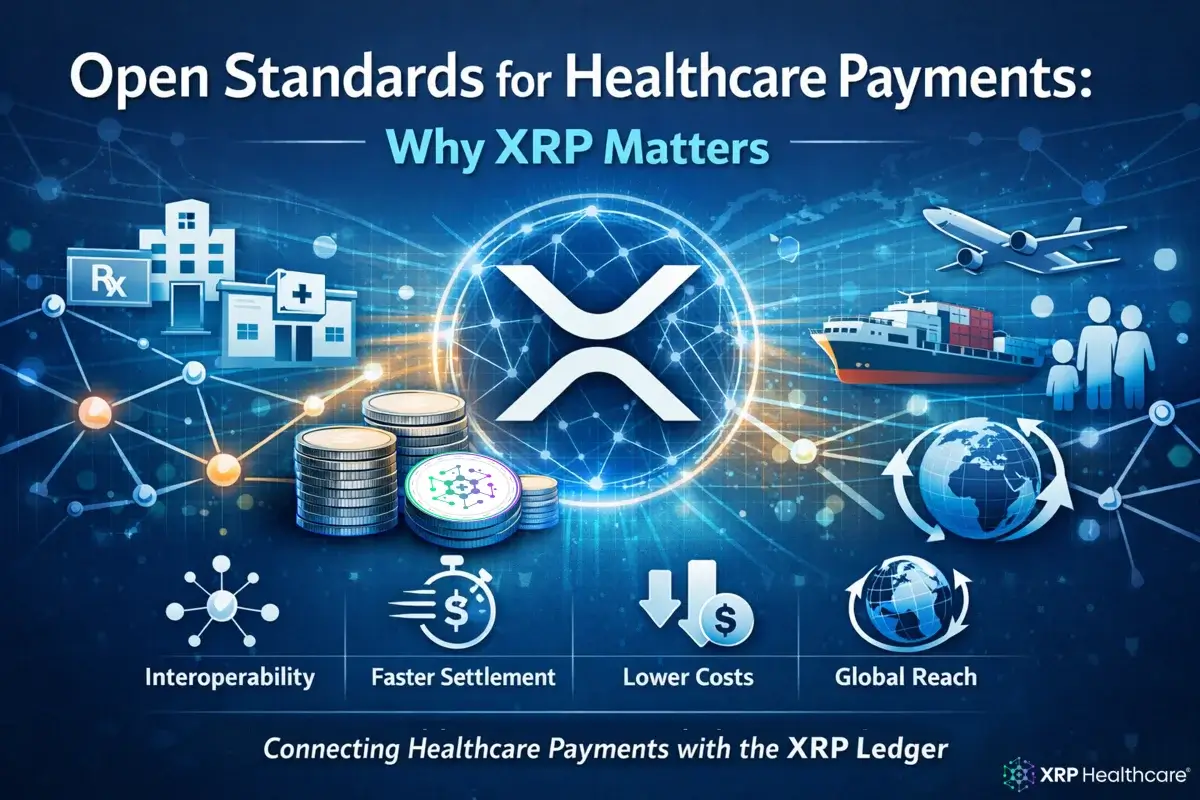
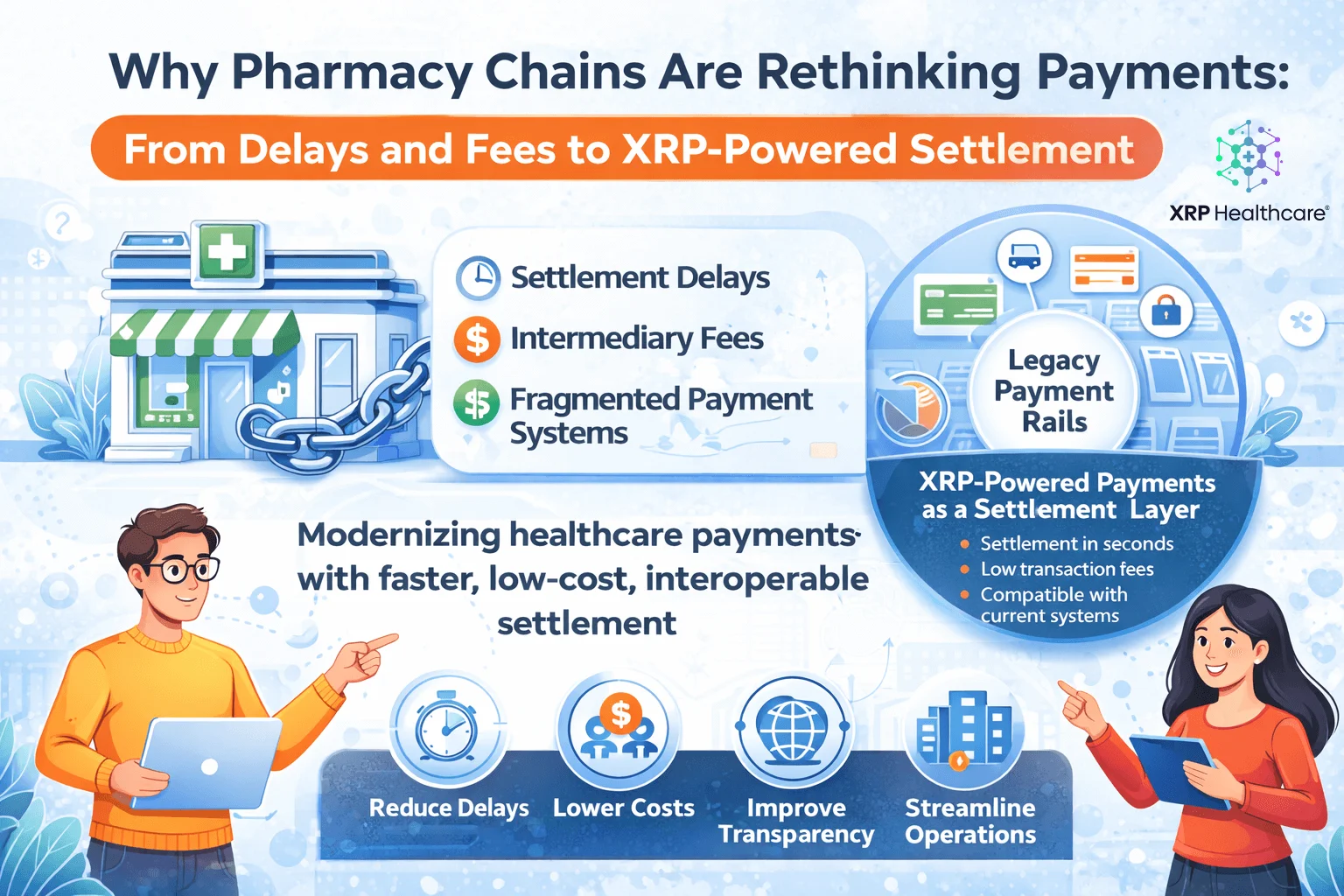
Healthcare payment systems, including patient billing, provider reimbursements, supplier settlements, and cross-border transfers, face longstanding challenges: slow settlement times, high costs, manual reconciliation, and fragmented account systems. Modern blockchain technology offers a promising solution, and at the center of this transformation are the XRPH token and the XRP Ledger (XRPL).
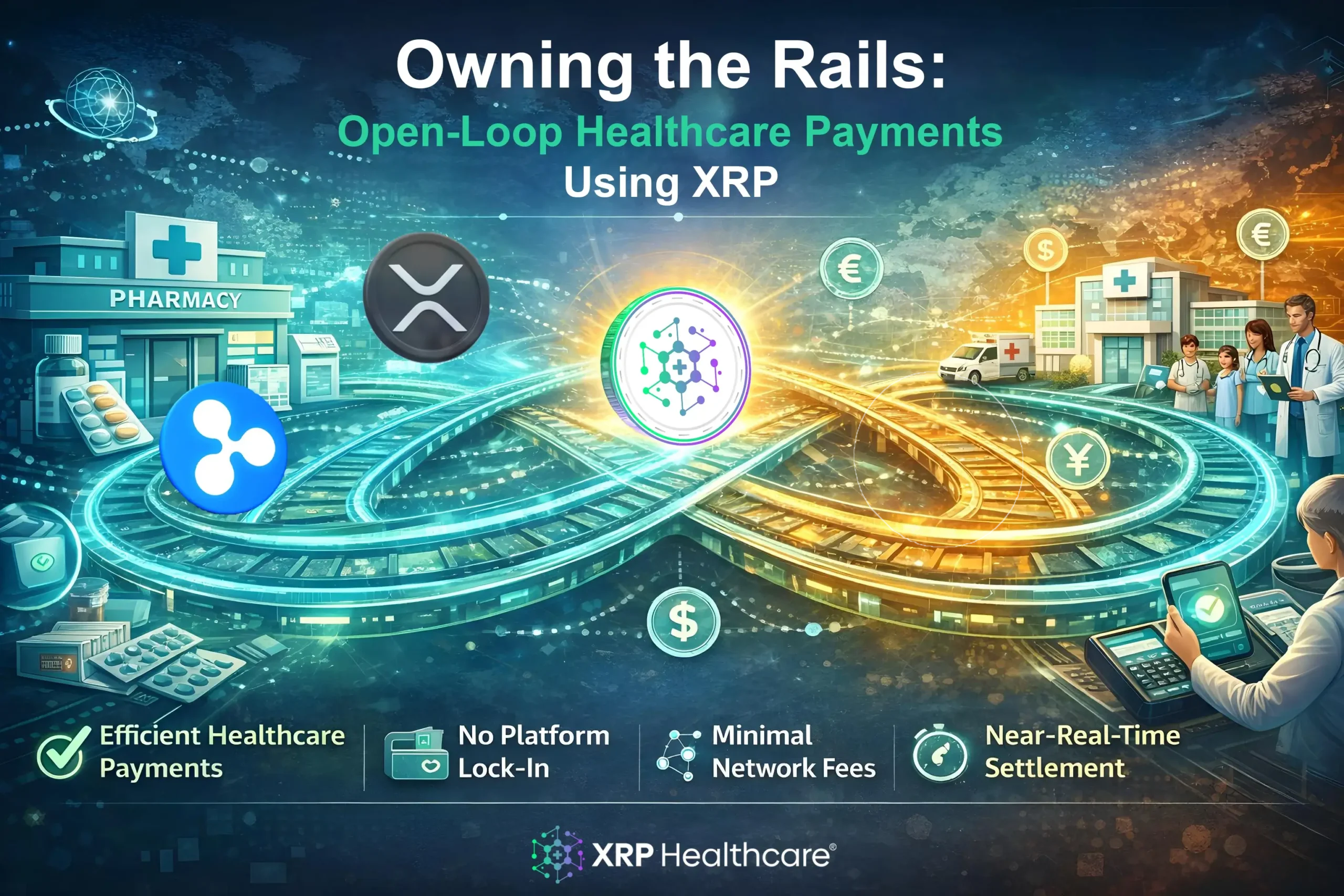
As a utility token built for real-world financial interactions and native to XRPL, XRPH works together with XRPL’s high-performance architecture to provide efficient, transparent, and scalable payment infrastructure tailored to healthcare financial workflows.
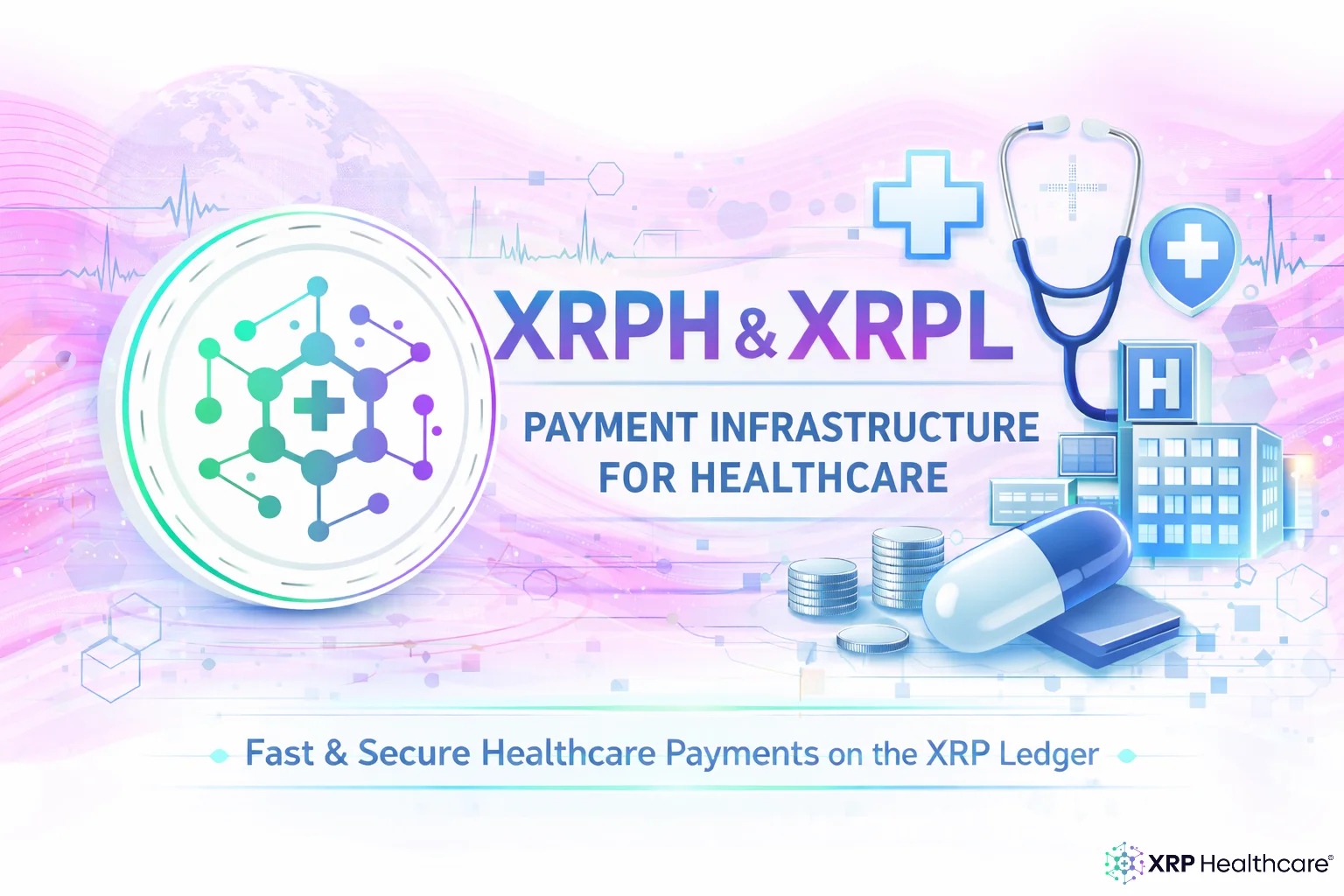
This article explains how XRPH and XRPL work together to build a next-generation payment infrastructure for healthcare systems worldwide.
What Is the XRP Ledger (XRPL)?
The XRP Ledger (XRPL) is a decentralized, open-source blockchain designed for payment settlement and tokenization. Its architecture focuses on speed, low transaction costs, and scalability, making it well-suited for financial use cases.
Key features of the XRP Ledger include:
- Near-instant settlement: Transactions typically finalize within seconds
- Minimal fees: Predictable and low network costs
- High throughput: Capable of processing high volumes of transactions
- Decentralized consensus: Uses the Ripple Protocol Consensus Algorithm (RPCA) without energy-intensive mining
These features make XRPL a strong candidate for mission-critical payment infrastructure, including healthcare systems.
(Source: XRPL Official Documentation https://xrpl.org/)
What Is the XRPH Token?
The XRPH token is a utility token issued on the XRP Ledger by XRP Healthcare LLC. Unlike speculative cryptocurrencies, XRPH is designed for practical transactional utility within healthcare financial systems. With a fixed supply and a permanently disabled issuing account, XRPH ensures predictability in usage without inflationary risk.
Key functions of XRPH in healthcare:
- Facilitates payment settlement
- Supports wallet-based transactions
- Enables automated reconciliation workflows
- Powers incentive programs
Official project information:
🔹 https://xrphtoken.com/
🔹 https://www.xrphealthcare.ai/
Why Blockchain Matters for Healthcare Payments
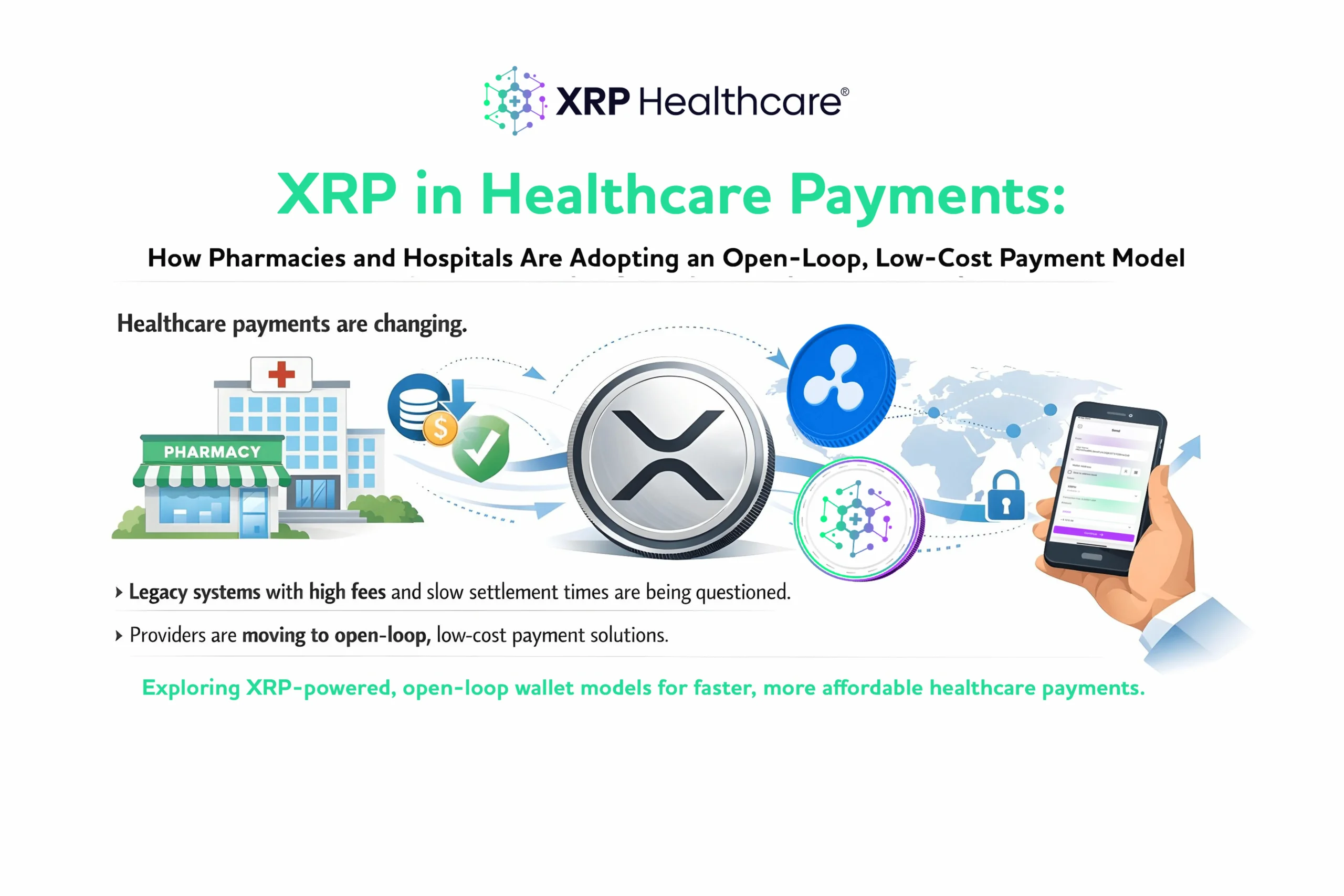
Healthcare payments involve a range of stakeholders, patients, providers, insurers, and suppliers, all of whom need accurate, efficient financial transactions. Traditional payment systems often involve intermediaries and fragmented ledgers, leading to delays and higher costs.
Blockchain’s decentralized ledger technology addresses these challenges by creating a single, shared, and immutable record of transaction history, which enhances trust and reduces reconciliation discrepancies.
For an overview of blockchain’s impact on financial systems, see: Investopedia – Blockchain Explained
https://www.investopedia.com/terms/b/blockchain.asp
How XRPH and XRPL Work Together in Healthcare Payment Infrastructure
Near-Instant Settlement
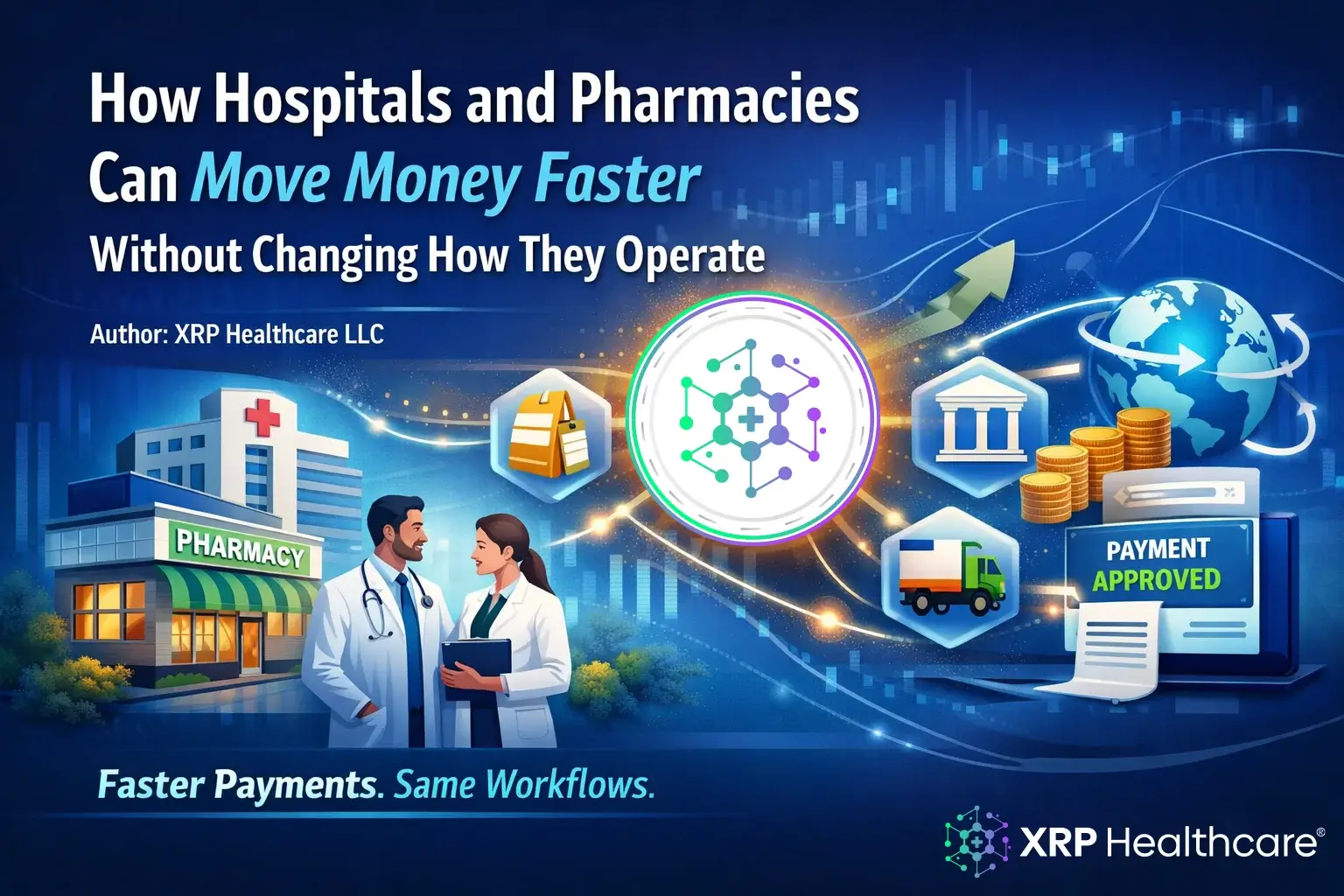
One of the core advantages of XRPL is its fast settlement times. Transactions involving XRPH on XRPL finalize in seconds, significantly faster than traditional ACH or wire transfers, which can take days. This speed improves cash flow for healthcare providers and reduces latency in financial operations.
Low and Predictable Fees
Healthcare systems, particularly high-volume networks, need predictable cost structures. XRPL’s fee model is designed to be minimal and stable, enabling frequent transactions (even micro-payments) without prohibitive cost. This low-fee environment supports better budgeting and operational forecasting.
Wallet Integration for Secure and Scalable Payments
The XRPH Wallet is a non-custodial wallet designed for secure storage and transfer of XRPH and XRPL assets. When integrated with healthcare billing systems, wallets can automate payment settlement, attach structured payment metadata, and reduce administrative reconciliation work.
Wallet features can include:
- Non-custodial private key control
- Transaction memos for internal indexing
- Integration with accounting and patient billing systems
More on wallet features: https://xrphtoken.com/
Transaction Metadata and Reconciliation
An important component of payment infrastructure is reconciliation, which involves matching payments with invoices, claims, and other relevant records. XRPH transactions on XRPL can include structured metadata such as invoice IDs and service references, making it easier to automate reconciliation and reduce manual accounting errors.
Cross-Asset and Cross-Border Interoperability
The XRP Ledger supports multi-asset transactions, meaning XRPH can coexist and interact with other assets like XRP and XRPL-based stablecoins. This interoperability enables healthcare systems to settle payments in the most efficient format for their specific use case, whether domestic billing or cross-border financial transactions.
For an external overview of cross-border blockchain payments, see: World Bank Report, Cross-Border Payments
(Example source, subject to availability via web search)
Use Cases in Healthcare Payment Infrastructure
Patient Payments
Patients can pay for services using XRPH through integrated wallet interfaces. Fast settlement ensures providers receive funds promptly, reducing accounts receivable cycles.
Provider Fee Settlements
Healthcare organizations can settle supplier fees, service contracts, and inter-facility payments using XRPH. Immutable blockchain records streamline reconciliation and payment visibility.
Insurance Claim Payments
Claims processed and paid via XRPH transactions on XRPL create immutable evidence of settlement and reduce disputes between insurers and healthcare providers.
Transparency and Auditability
Blockchain’s immutable ledger provides an audit trail that enhances transparency across all stakeholders. Healthcare financial systems benefit from clear and verifiable transaction histories, aiding compliance with accounting and regulatory standards.
However, blockchain payment records do not store personal health information (PHI) on-chain, only transaction metadata, ensuring compliance with privacy frameworks like HIPAA.
For research on blockchain in healthcare systems, see: Blockchain Research in Healthcare
https://arxiv.org/abs/1812.02776
Security Considerations
The decentralized nature of XRPL provides resilience against single points of failure, and XRPH operations inherit these security benefits. Combined with a secure, non-custodial wallet design, XRPH-based payment systems offer strong cryptographic protection for transaction flow.
Conclusion
The combination of the XRPH token and the XRP Ledger creates a robust payment infrastructure for healthcare systems that demand speed, transparency, and scalability. By leveraging blockchain’s decentralized architecture and efficient settlement mechanics, XRPH and XRPL support faster provider payments, simplified reconciliation, and secure transaction records, all while reducing costs and operational challenges.
As healthcare organizations continue to modernize financial systems, blockchain-enabled infrastructure powered by XRPH and XRPL offers a practical and scalable path forward.