Introduction
Healthcare transaction volume continues to grow rapidly, covering patient billing, provider settlements, supplier invoices, cross-border payments, and insurance claims. To manage this complexity, healthcare financial systems need not only speed and security, but also scalability, the ability to handle high transaction loads reliably and efficiently.
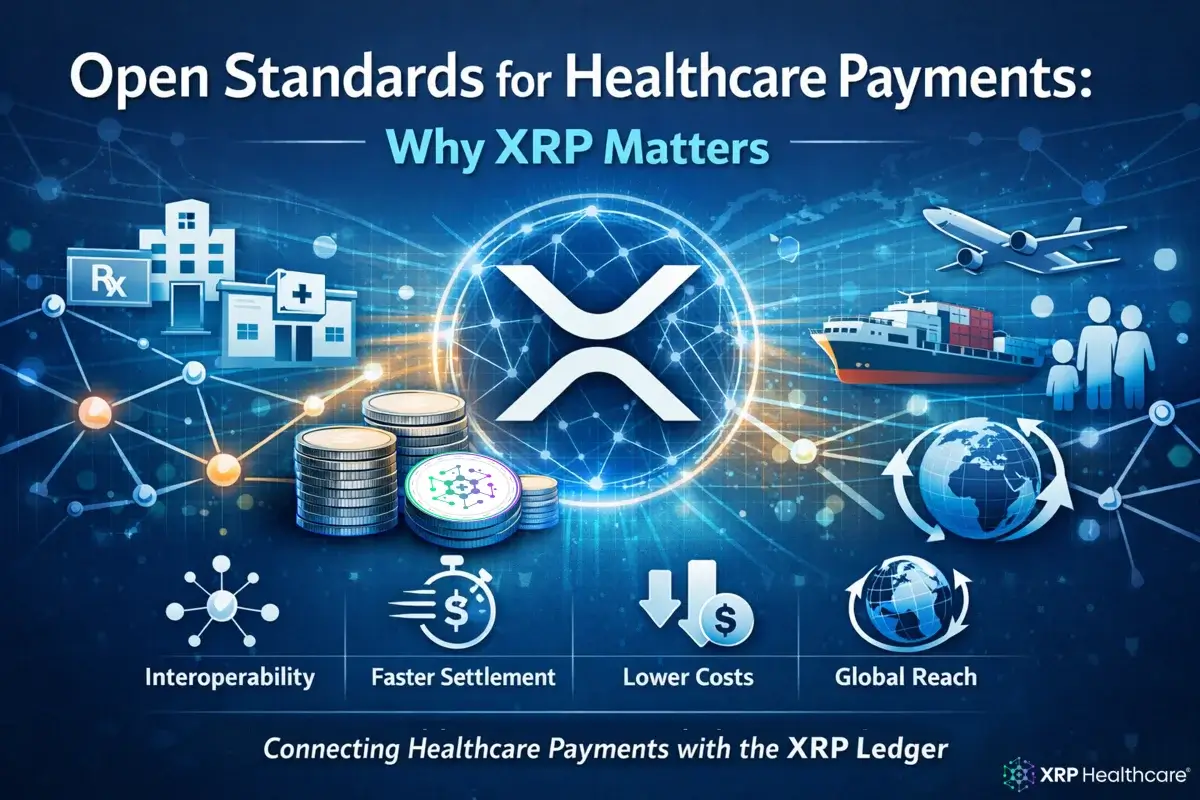
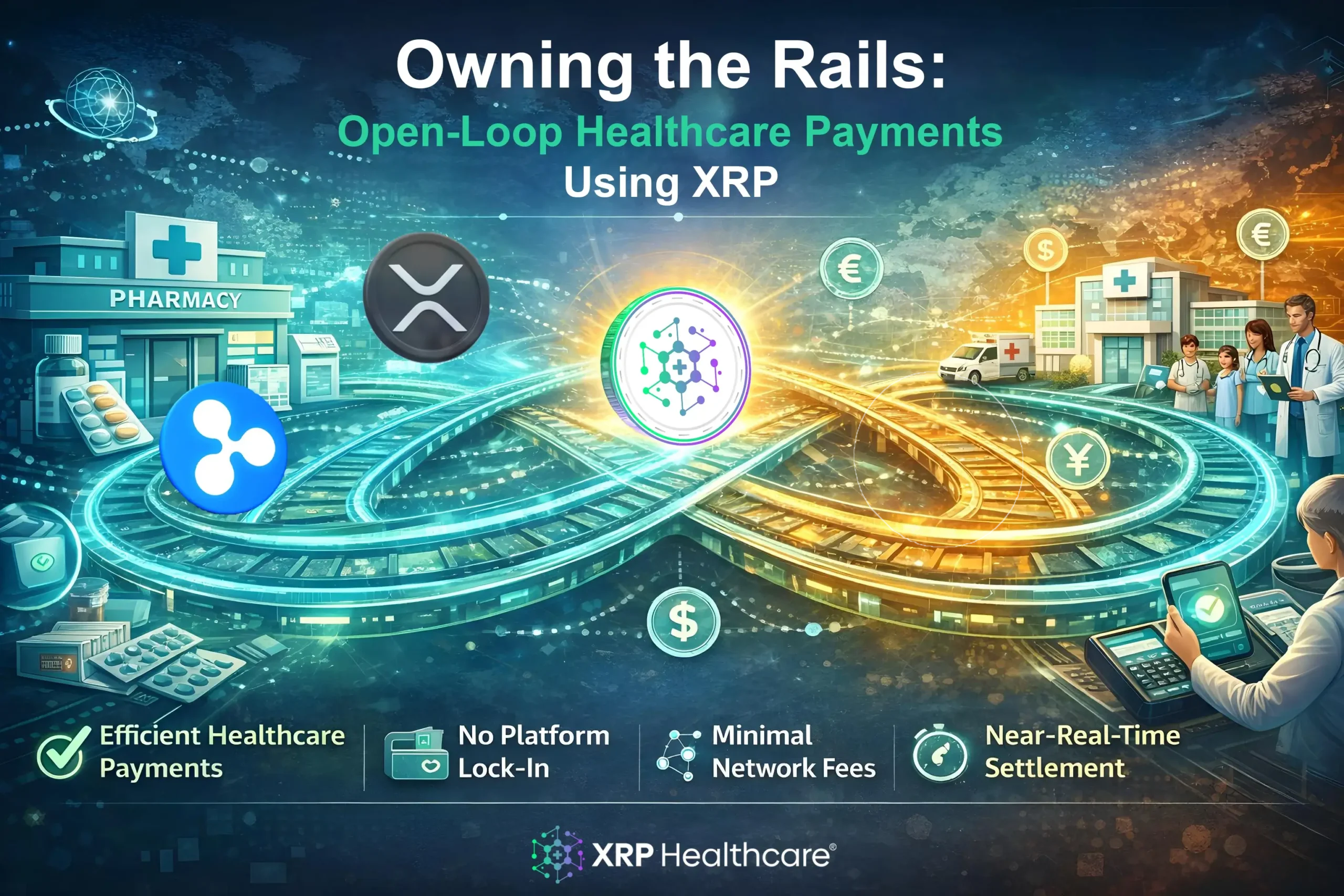
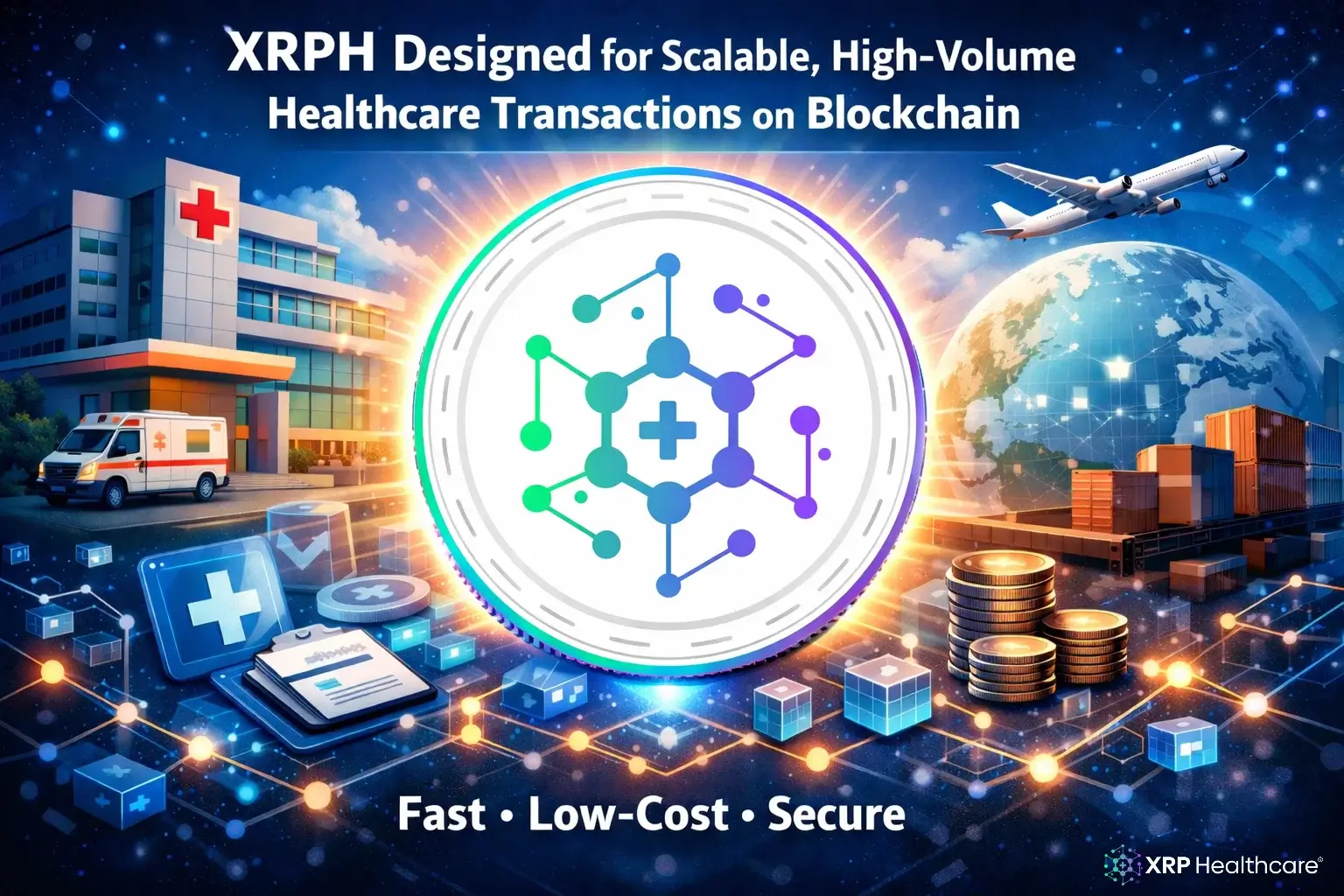
The XRPH token, designed on the XRP Ledger (XRPL), offers a foundation for scalable healthcare transactions. With fast settlement times, low network fees, and a decentralized architecture, XRPH supports high-throughput payment workflows that are critical for modern healthcare finance.
This article explores the design principles behind XRPH, how it supports scalability in healthcare transactions, and why this matters for providers, payers, and patients.
Understanding Scalability in Healthcare Payments
What Does Scalability Mean?
Scalability in financial systems refers to the capacity to handle increasing transaction volumes without degradation in performance or reliability. In healthcare, this includes:
- High volume of patient payments
- Bulk settlements with suppliers
- Automated claims processing
- Cross-border transfers
- Real-time reconciliation
Traditional payment infrastructure often struggles with scalability due to centralized bottlenecks, manual processes, and intermediary dependency.
Blockchain and Scalability
Blockchain designs that support fast transaction throughput and low fees can help healthcare systems scale more effectively. According to industry research, blockchain’s decentralized ledger architecture can improve efficiency and reduce administrative overhead across financial operations.
(Source: Investopedia – Blockchain Explained https://www.investopedia.com/terms/b/blockchain.asp)
What Is the XRPH Token?
The XRPH token is a utility token issued on the XRP Ledger by XRP Healthcare LLC with a fixed total supply. The issuing account was permanently disabled, ensuring no additional tokens can be created. This design promotes predictability and helps make XRPH suitable for operational use in financial workflows.
Key characteristics of XRPH:
- Utility token for real-world transactions
- Native to a high-performance blockchain (XRPL)
- Supports wallet integration for payments
- Designed to align with healthcare payment requirements
Official information on XRPH is available at:
🔹 https://xrphtoken.com/
🔹 https://www.xrphealthcare.ai/
Why the XRP Ledger Supports Scalability
The XRP Ledger (XRPL) underpins XRPH and provides technical capabilities that enhance scalability:
- Fast settlement finality: Typically ~3-5 seconds
- Low transaction costs: Predictable, minimal network fees
- High throughput: Capable of handling thousands of transactions per second
- Decentralized consensus: No energy-intensive mining required
These features make XRPL a strong choice for large-volume payment systems, enabling healthcare networks to scale beyond legacy limitations. (Source: XRPL Official Documentation https://xrpl.org/)
Design Elements of XRPH That Enable Scalable Transactions
Native Integration With High-Speed Settlement
XRPH operates natively on the XRPL, which means it inherently benefits from the ledger’s fast settlement times and high throughput. Healthcare ecosystems with large payment volumes, such as national healthcare systems or large hospital networks, need rapid settlement and consistent performance; XRPL delivers this foundation.
Low Cost Predictability
One barrier to scalability in healthcare payments is cost. High fees can inhibit frequent or micro-transaction flows. XRPL’s low and predictable fees allow XRPH transactions to occur with minimal cost, regardless of volume. This encourages adoption for routine and high-frequency billing operations.
Decentralized Architecture for Distributed Adoption
Centralized systems often face bottlenecks when demand increases. XRPL’s decentralized consensus mechanism distributes processing across a global validator network, reducing single points of failure and enabling consistent performance even as throughput grows.
This decentralized design directly supports XRPH usage across multiple healthcare stakeholders, from individual clinics to large multi-facility systems.
Multi-Asset Support and Interoperability
The XRP Ledger’s ability to support multiple assets, including stablecoins and custom tokens like XRPH, enables interoperability across systems. Healthcare entities can settle payments using XRPH while integrating with other digital assets, supporting a scalable ecosystem of financial interactions.
Interoperability is key when healthcare networks connect billing platforms, supplier systems, patient payment tools, and insurance claim systems. A shared token standard, such as XRPH, simplifies multi-system financial coordination.
How Scalable Healthcare Transactions Work With XRPH
Automated Billing and Settlement
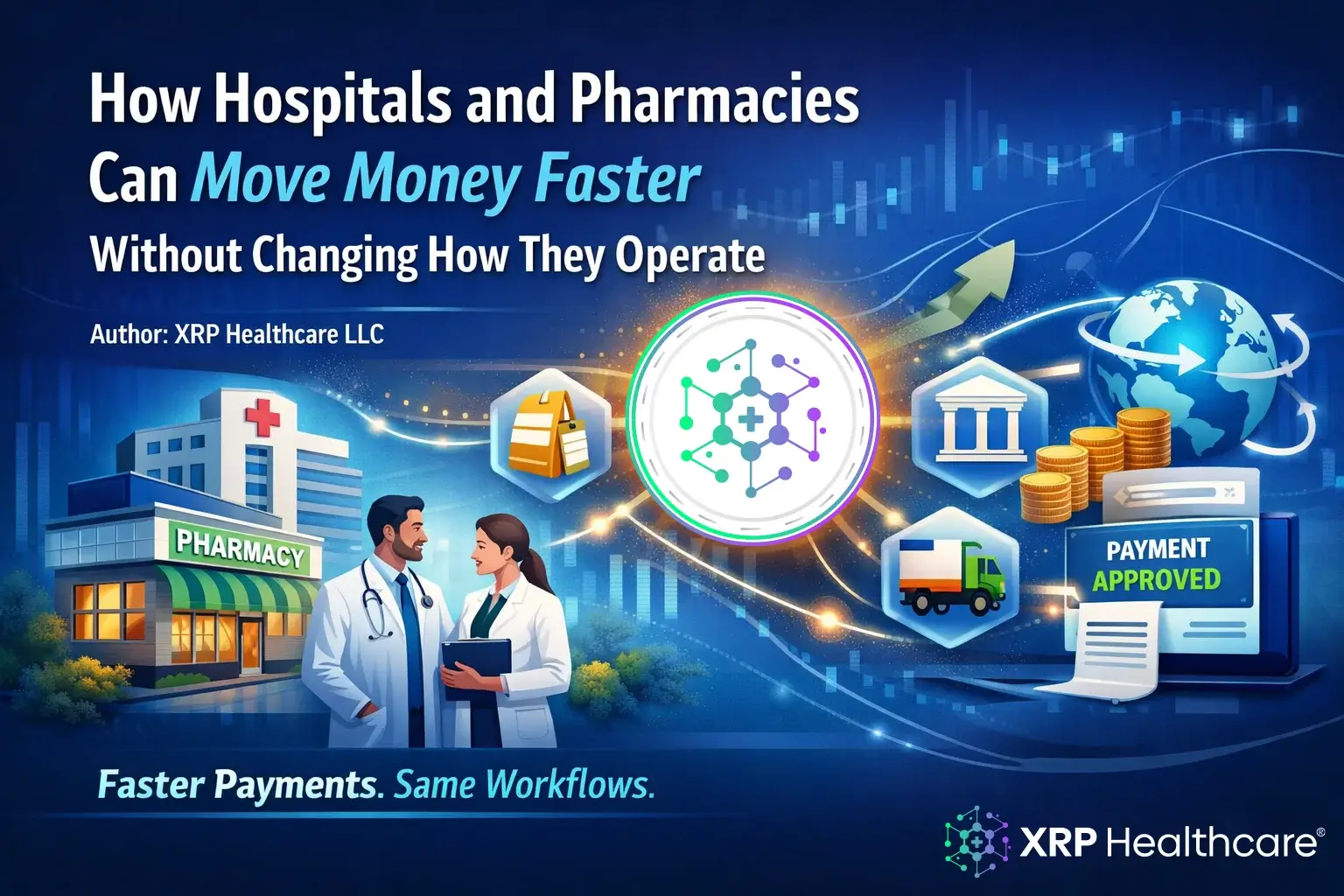
Healthcare billing systems can integrate with XRPH-compatible wallets and APIs to automate settlement workflows. With XRPH, payment triggers, such as service completion, can automatically initiate settlement on XRPL, eliminating manual bottlenecks.
High-Volume Supplier Payments
Large health systems often process bulk payments to vendors and suppliers. XRPH enables these high-volume transactions to settle in real time, supporting operational liquidity and reducing administrative obstacles.
Efficient Cross-Border Settlements
Healthcare networks increasingly operate globally, requiring seamless cross-border payments. Traditional correspondent banking introduces delays and fees. XRPH on XRPL facilitates near-instant, low-fee cross-border settlement, supporting scalable global operations.
Wallet Integration and Transaction Scalability
The XRPH Wallet is a non-custodial solution that supports XRPH and compatible XRPL assets. Wallet integration plays a key role in transaction scalability by:
- Enabling secure storage and transfer of XRPH
- Supporting structured payment metadata (e.g., invoices)
- Integrating with billing and accounting systems
This makes high-volume transaction processing more efficient and streamlined for healthcare organizations. More on XRPH Wallet features: https://xrphtoken.com/
Transparency and Auditable Records
Scalability is not just about volume; it’s also about manageable records. XRPH transactions on XRPL create immutable, timestamped records that are accessible for auditing, reconciliation, and compliance.
This transparency reduces errors and supports rapid settlement validation even at scale.
Security and Compliance Considerations
While XRPH and XRPL enhance scalability, they do not replace existing regulatory frameworks such as HIPAA or government financial reporting standards. Instead, XRPH’s design is complementary, providing secure transaction records that can be integrated into compliance workflows without exposing sensitive patient data.
For broader insights into blockchain and healthcare, see: Healthcare Blockchain Research https://arxiv.org/abs/1812.02776
Conclusion
Scalability is essential for modern healthcare financial systems, which must handle high transaction volumes, diverse payment flows, and complex settlement requirements. The XRPH token, supported by the XRP Ledger, is designed to address these needs with fast settlement, low fees, decentralized architecture, and interoperable transaction workflows.
Whether facilitating automated billing, cross-border settlements, or high-volume supplier payments, XRPH provides a scalable foundation for healthcare payment infrastructure, improving efficiency, transparency, and overall financial resilience in healthcare ecosystems.