Introduction
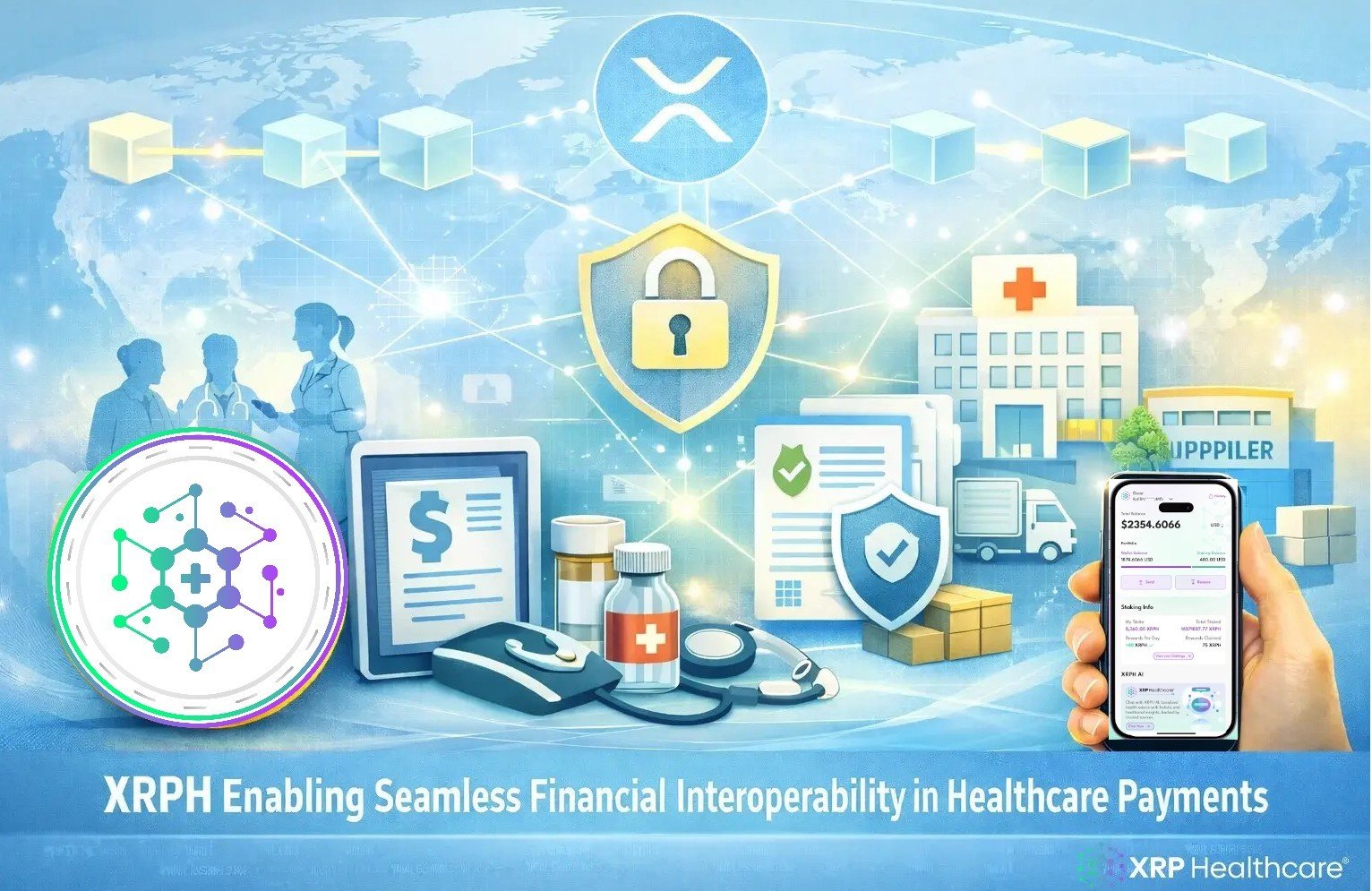
Healthcare finance is notoriously complex, involving many stakeholders, disparate systems, and varying payment standards, from patient billing and insurance claims to provider settlements and supplier invoices. One major challenge healthcare organizations face globally is financial interoperability, the ability of different systems and institutions to exchange, understand, and settle financial data seamlessly and securely.
Blockchain technology provides a new model for financial interoperability, enabling decentralized, auditable, and real-time settlement capabilities across diverse systems. Within this landscape, the XRPH token, built on the XRP Ledger (XRPL), plays a significant role by serving as a utility asset that facilitates cross-system payments, ledger communication, and standardization of settlement.
This article explains how XRPH supports financial interoperability in healthcare, what real use cases exist, and the benefits it delivers to providers, payers, patients, and partners.
What Is Financial Interoperability in Healthcare?
Why Financial Interoperability Matters
Financial interoperability in healthcare allows various systems, including hospital billing platforms, insurance claim processors, patient payment systems, and supplier accounting, to exchange financial information accurately and process payments mutually without fragmentation or costly manual intervention.
Lack of interoperability often results in:
- Billing errors
- Duplicate transactions
- Manual reconciliation bottlenecks
- Delayed settlements
In healthcare IT research, financial interoperability is linked with reduced administrative costs and enhanced operational efficiency. (Source: Healthcare Information and Management Systems Society, HIMSS https://www.himss.org)
The Role of Blockchain
Blockchain’s decentralized ledger technology enables shared financial records that can be accessed and verified by authorized participants, reducing data silos and improving transparency. For a general overview of blockchain benefits in finance and beyond, see: Investopedia – Blockchain Explained https://www.investopedia.com/terms/b/blockchain.asp
What Is the XRPH Token?
The XRPH token is a utility token issued on the XRP Ledger by XRP Healthcare LLC, intended to support everyday transaction workflows rather than speculative trading. With a fixed supply of 100 million and the issuing account permanently disabled to prevent inflation, XRPH is positioned as a consistent medium of exchange within healthcare financial ecosystems.
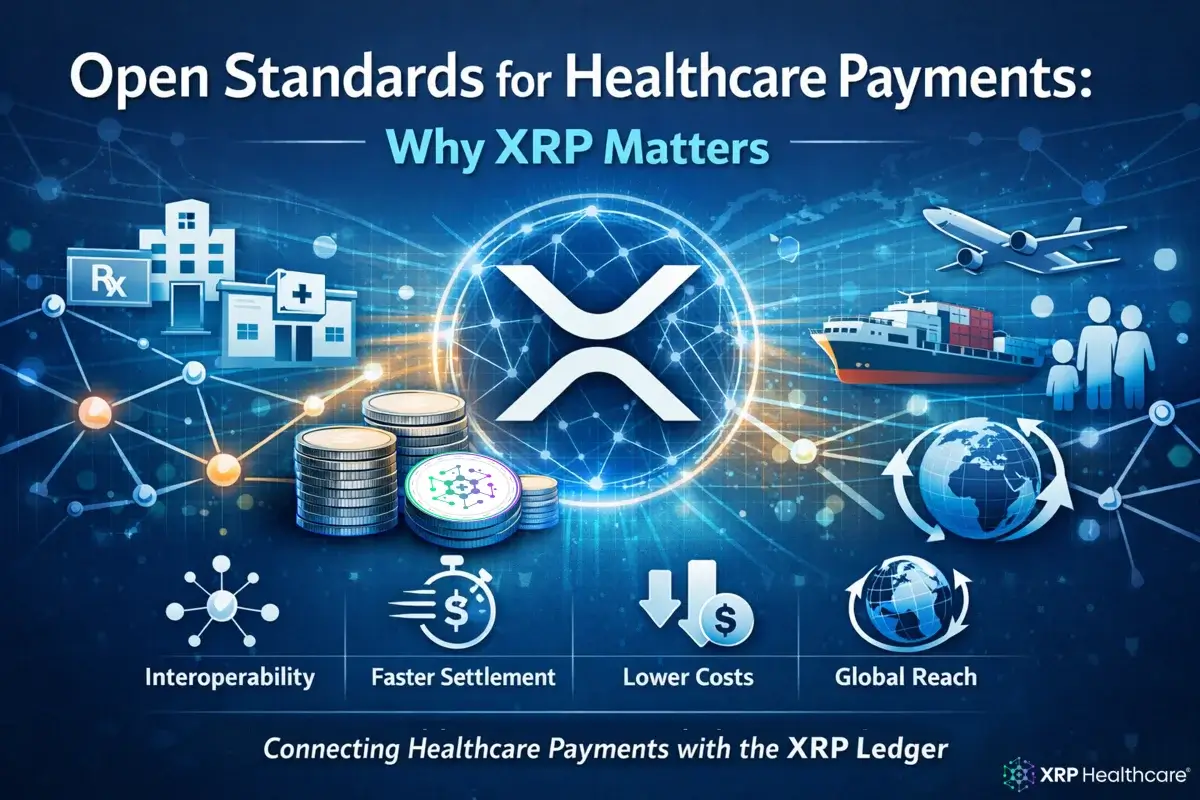
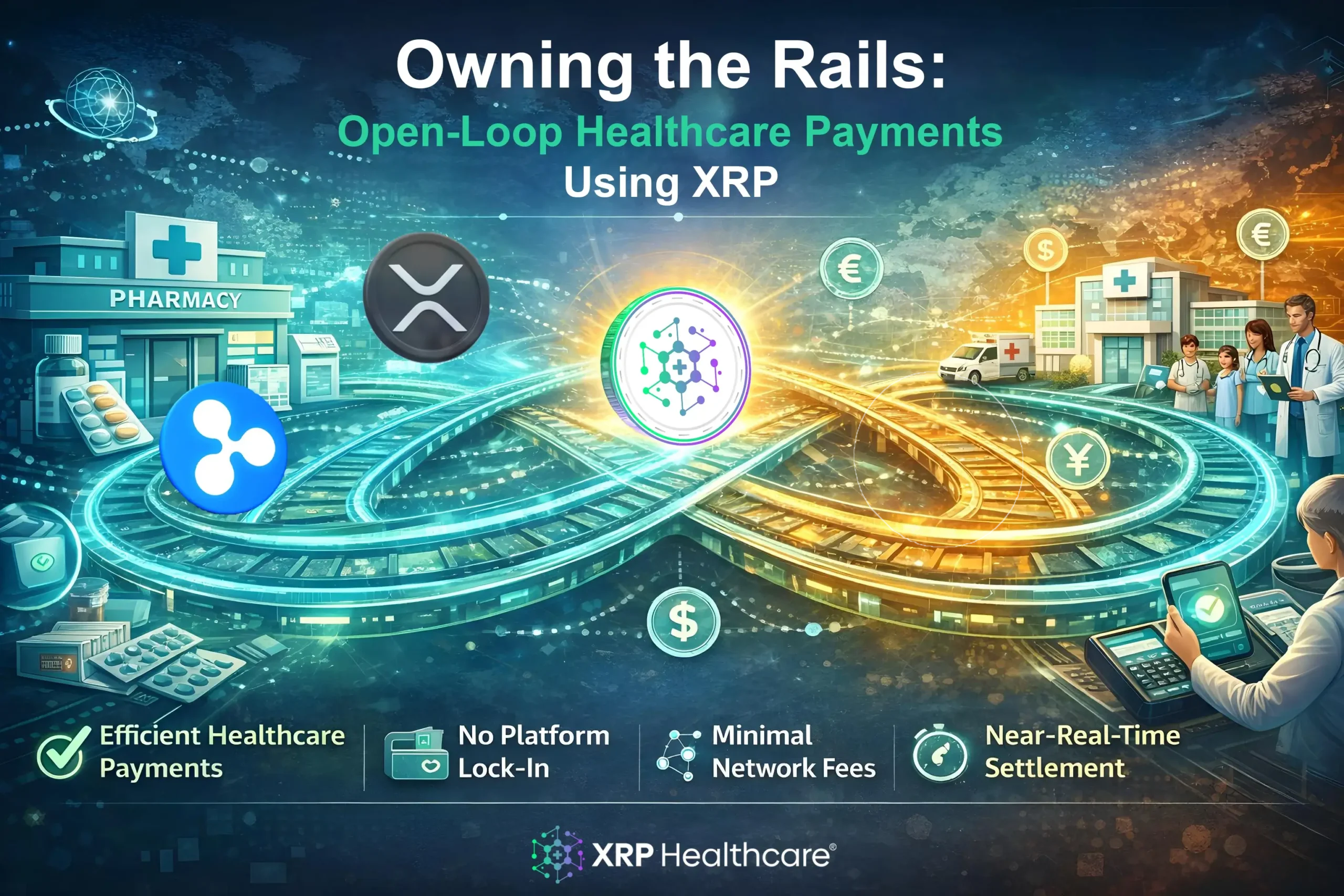
XRPH’s integration with the XRP Ledger enables rapid settlement, low transaction fees, and cross-system compatibility, key ingredients for financial interoperability.
Official XRPH resource links:
🔹 https://xrphtoken.com/
🔹 https://www.xrphealthcare.ai/
Why the XRP Ledger Supports Interoperability
The XRP Ledger (XRPL) is optimized for payments and token interoperability. Its features include:
- Fast settlement times: Transactions finalize in seconds
- Low fees: Minimal cost per transaction
- Multi-asset support: Native tokens and custom tokens like XRPH
- Decentralized consensus: No central authority bottleneck
These attributes support reliable cross-system financial activity, a key component of interoperability in healthcare payments. (Source: XRPL Official Documentation https://xrpl.org/)
How XRPH Enhances Financial Interoperability
Standardized Value Exchange
XRPH acts as a shared utility token across multiple payment ecosystems, enabling providers, payers, and other parties to send and receive value without translation between systems. Standardized token usage simplifies cross-platform financial flows.
This reduces friction in the reconciliation process and minimizes errors typically associated with mismatched ledgers and data formats.
Interconnectivity Through Distributed Ledger
Financial interoperability requires a common reference system that all parties trust. The XRPL provides a shared ledger where XRPH transactions are recorded immutably. This allows:
- Healthcare billing systems
- Insurance payment processors
- Supplier payment gateways
- Patient payment portals
to operate transparently and without redundant intermediaries.
This shared view of financial data accelerates reconciliation and settlement, enabling coordinated payments across systems.
Wallet Integration and Cross-System Settlement
The XRPH Wallet is a non-custodial wallet solution that enables secure storage and transfer of XRPH and other XRPL assets. Wallets help link existing healthcare financial systems to the decentralized payment layer.
Integrated Workflow Capabilities
- Providers connect billing systems to XRPH Wallets
- Insurance processors can trigger automated settlement
- Patient portals link XRPH payments directly to invoices
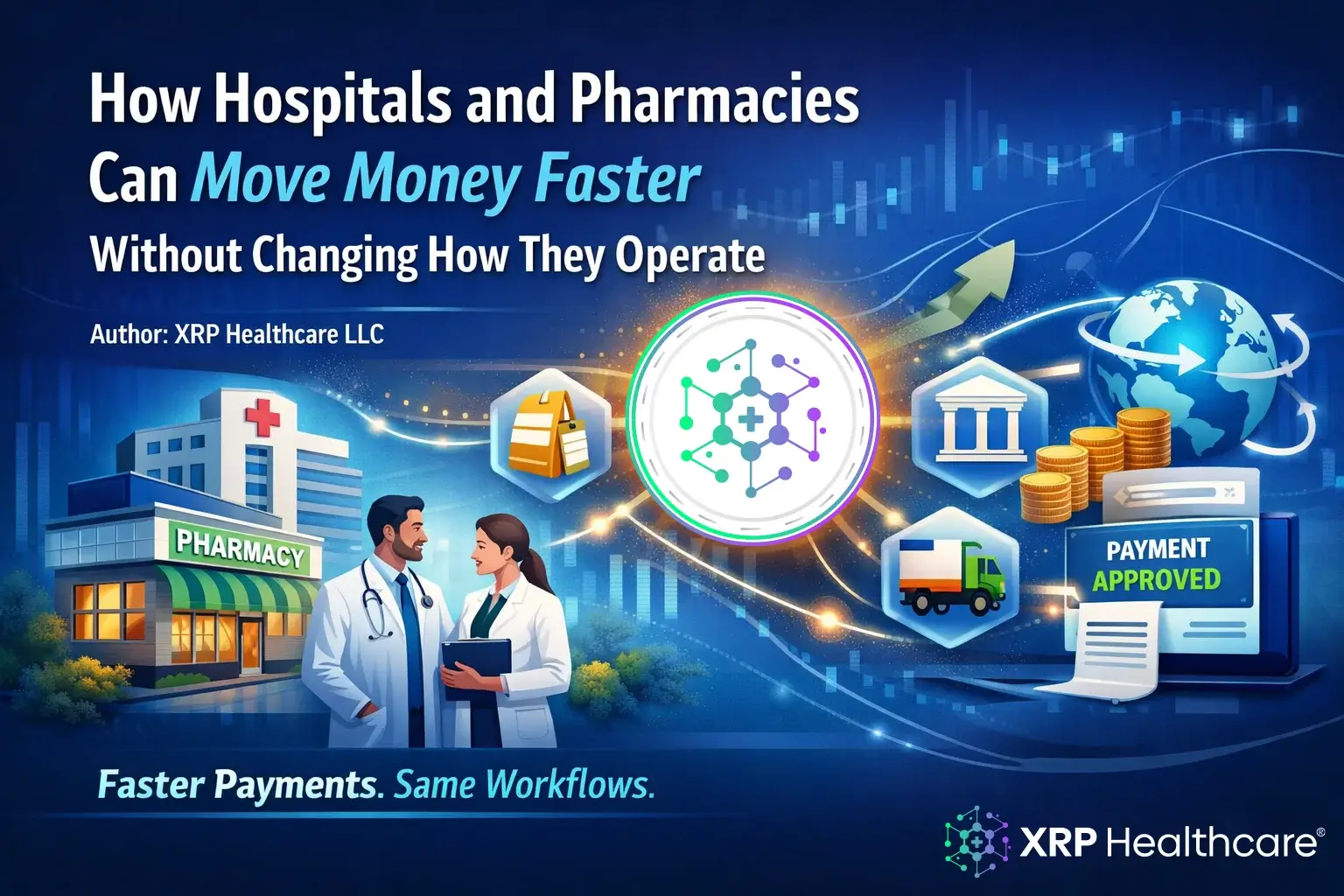
This integrated approach bridges legacy healthcare systems with decentralized payment rails.
More about XRPH Wallet features: https://xrphtoken.com/
Use Cases of XRPH in Healthcare Financial Interoperability
Automated Claims Settlement
In traditional workflows, insurance claims settlement often involves reconciliation between payers and providers — a manual and error-prone process. With XRPH on XRPL, claims can be settled automatically once predefined conditions are met, and settlements are recorded immutably on the blockchain.
Supplier and Vendor Payments
Healthcare organizations frequently transact with suppliers of pharmaceuticals, equipment, and medical services. XRPH enables interoperability across different financial systems, improving supplier invoice reconciliation and reducing payment delays.
Cross-Platform Patient Payments
Patients may pay through a variety of portals, in-clinic kiosks, mobile apps, or online portals. When systems denominate payments in XRPH and record them on the XRPL, all participating platforms share a consistent payment record, enabling easier reconciliation and reporting.
Transparency and Compliance Benefits
Blockchain inherently enhances transparency through immutable, timestamped records. For healthcare organizations, this means payment history is auditable and compliant with financial reporting standards, even if the settlement flows cross multiple systems.
However, blockchain does not replace compliance frameworks like HIPAA; it complements them by providing secure payment logs that remain separate from sensitive health records.
For further details on blockchain’s potential in healthcare systems, see: Blockchain in Healthcare Research https://arxiv.org/abs/1812.02776
Conclusion
Financial interoperability is critical for modern healthcare systems striving for efficiency, accuracy, and transparency across payment flows. The XRPH token, operating on the XRP Ledger, supports interoperability by enabling fast, low-cost, and auditable transactions between patients, providers, payers, and suppliers.
By leveraging decentralized ledger technology and wallet integration, XRPH bridges disparate financial systems with a unified transactional layer, reducing reconciliation bottlenecks, minimizing manual errors, and improving settlement visibility across networks.
As healthcare finance continues to evolve, blockchain-enabled interoperability powered by XRPH offers a credible path toward more efficient, transparent, and integrated payment ecosystems.