Introduction
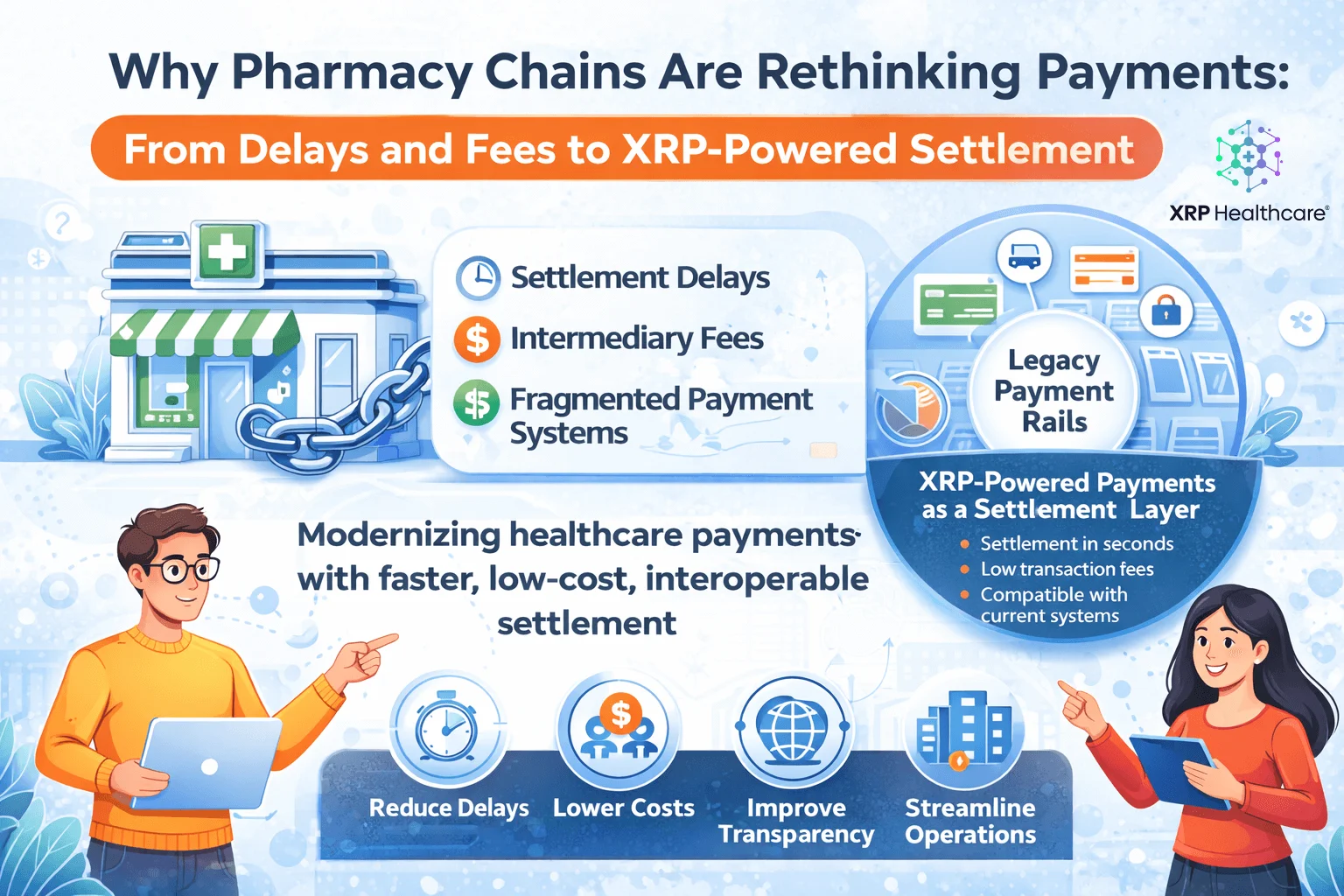
In healthcare finance, transparency in settlements is essential for trust, compliance, and auditability. Traditional financial systems often lack visibility into transaction flows, leading to reconciliation gaps, disputes, and inefficiencies between patients, providers, insurers, and suppliers.
Blockchain technology — particularly on networks like the XRP Ledger (XRPL) — introduces immutable and auditable transaction records that support transparent settlement workflows. The XRPH token acts as a utility asset within this ecosystem, enabling secure, verifiable, and traceable financial transactions designed for healthcare settlement applications.
This article explores how the XRPH token adds transparency to healthcare settlements, real-world use cases, and the benefits for modern healthcare systems.
What Is the XRPH Token?
The XRPH token is a utility token issued by XRP Healthcare LLC on the XRP Ledger. Unlike many cryptocurrencies designed for investment, XRPH focuses on real-world transactional utility, facilitating payments, settlements, incentives, and financial interactions in healthcare contexts.
Key facts about XRPH:
- Fixed total supply: 100 million tokens
- Issuing account permanently disabled: No additional tokens can be created
- Utility purpose: Designed for operational transactions, not speculation
- Native to XRP Ledger: Inherits fast settlement and low fees
Official resources for XRPH include:
🔹 https://xrphtoken.com/
🔹 https://www.xrphealthcare.ai/
What makes XRPH Token unique? Read here: https://xrphtoken.com/blog/what-makes-the-xrph-token-unique-in-healthcare-blockchain
Blockchain and Settlement Transparency in Healthcare
Transparent financial settlements mean that all stakeholders can verify transaction history, confirm authenticity, and reconcile accounts with minimal manual intervention.
Traditional payment systems often lack visibility:
- Funds move through intermediaries
- Reconciliation requires manual cross-checking
- Audit trails are fragmented across ledgers
Blockchain revolutionizes this model by recording transactions on immutable distributed ledgers. Each transaction has:
- A timestamp
- A cryptographic identifier
- A publicly verifiable record
This creates a permanent and accessible trail of settlement.
For more insight into blockchain’s role in transparent financial systems, see:
👉 Investopedia — Blockchain Explained
https://www.investopedia.com/terms/b/blockchain.asp
How XRPH Enhances Transparency in Healthcare Settlements
Blockchain-Level Immutability
The XRP Ledger maintains a single source of truth for all transactions validated by decentralized consensus. When XRPH is used for settlement, every transfer becomes a verifiable event on the blockchain. Immutable records reduce disputes and enable accurate historical tracking without reliance on centralized databases.
Audit-Ready Transaction Records
Healthcare organizations must regularly provide financial audits for compliance and regulatory reporting. Transactions using XRPH on XRPL include:
- Ledger identifiers
- Sender and receiver addresses
- Transaction timestamps
- Reference memos and metadata
Each of these components aids in creating audit-ready, traceable financial records — reducing reliance on manual bookkeeping.
For external insights into blockchain audit trails in finance, read:
👉 Blockchain research on healthcare finance
https://arxiv.org/abs/1812.02776
Cross-Stakeholder Visibility
Healthcare settlements often involve multiple parties: patients, providers, insurers, and suppliers. XRPH-based transactions provide all parties with a shared financial ledger, enabling:
- Real-time status verification
- Easier dispute resolution
- Reduced reconciliation cycles
This shared visibility empowers organizations to eliminate manual cross-checking and improve trust among system participants.
Integration With Wallets and Billing Systems
The XRPH Wallet is a non-custodial solution that securely holds XRPH and other XRPL assets. When integrated with healthcare billing systems, the wallet supports transparent settlement workflows by:
- Storing transaction identifiers
- Linking payments with invoice references
- Logging settlement metadata
This enables automated reconciliation between blockchain records and internal accounting systems, reducing errors and operational overhead.
More on XRPH Wallet features can be found at:
🔹 https://xrphtoken.com/
Use Cases for XRPH in Transparent Healthcare Settlements
Patient Payments
Patients can use XRPH to settle bills directly with providers. Each transaction is recorded on the XRP Ledger, creating an immutable payment trail linked to specific services, improving visibility for both patients and providers.
Supplier and Vendor Reconciliation
Healthcare systems often make bulk payments to suppliers for pharmaceuticals, medical devices, and services. XRPH-based settlements speed up payments while creating a clear record of scheduled and completed transfers, aiding supplier reconciliation.
Cross-Border Settlements
For international healthcare services like telemedicine or global supply procurement, XRPH enables cross-border settlement with low fees and verifiable transaction records, eliminating blind spots common in traditional correspondent banking systems.
Automating Auditable Records
By embedding structured data (e.g., invoice codes, service IDs) into settlement transactions, XRPH workflows can automate record generation that is both traceable and audit-ready.
Security and Compliance
Blockchain itself does not inherently replace regulatory compliance frameworks, but it aids compliance by providing transparent, immutable records. This reduces risk in:
- Financial reporting
- Internal audits
- Regulatory review
It is critical that healthcare organizations integrate blockchain record-keeping with existing compliance systems such as HIPAA and financial governance processes.
For a broader overview of blockchain in healthcare systems, see:
👉 Healthcare Blockchain Use Cases
https://www.investopedia.com/investing-4427685
XRPH Versus Traditional Payment Systems
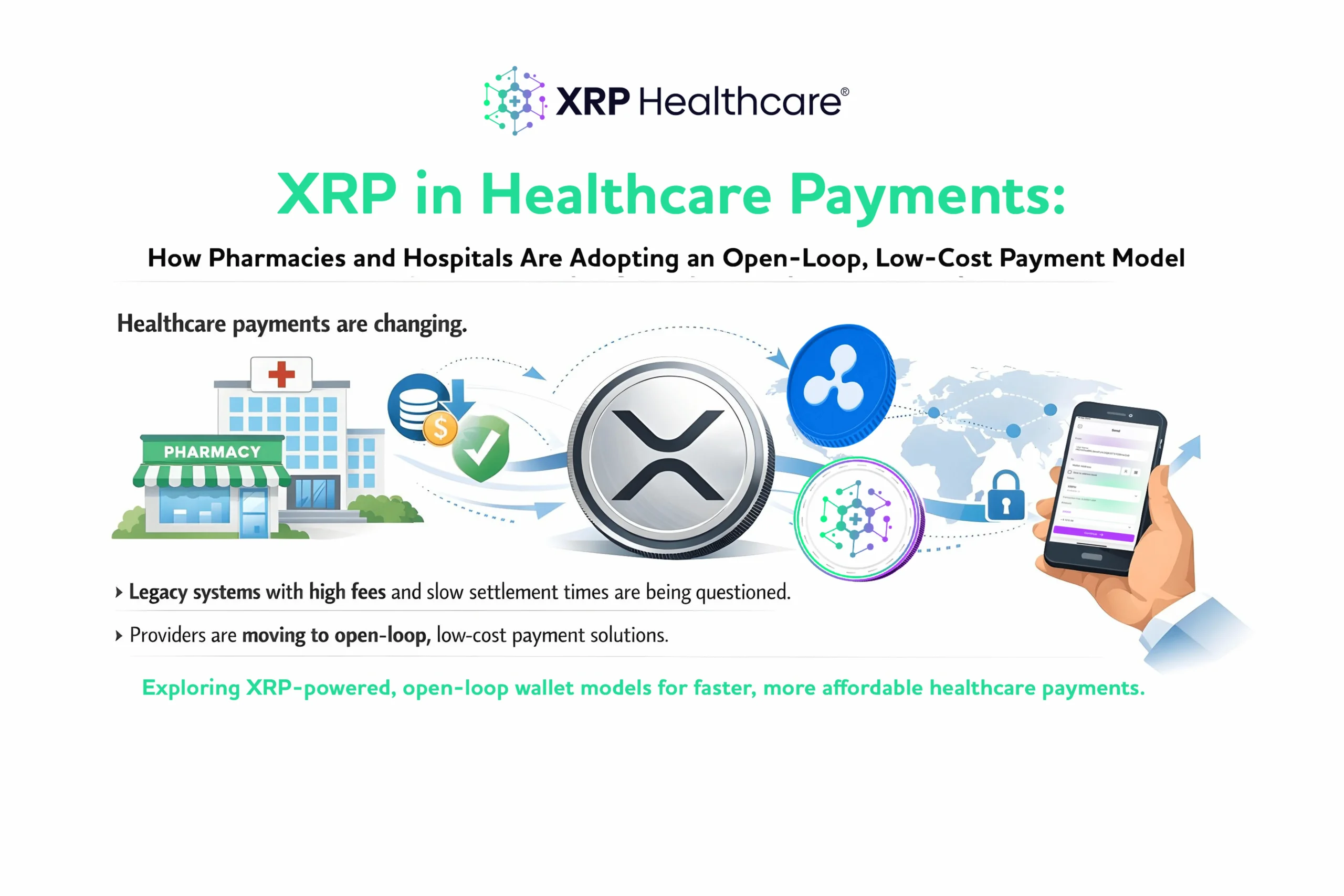
While traditional systems rely on centralized ledgers and multiple intermediaries, XRPH settlements on XRPL emphasize:
- Single, shared ledger records
- Quick settlement times
- Minimal transaction fees
- Cryptographically verifiable audit trails
This makes blockchain-based settlements more transparent and less error-prone than legacy systems.
Conclusion
Transparent settlement is the backbone of efficient healthcare finance. The XRPH token, operating on the XRP Ledger, supports secure, verifiable, and audit-friendly settlements across patients, providers, insurers, and suppliers. Its utility-focused design enhances visibility, reduces reconciliation burdens, and fosters trust across complex healthcare financial workflows.
By leveraging blockchain’s immutable ledger, XRPH represents a practical step toward transparent, real-time healthcare settlements, improving accuracy and operational clarity throughout the ecosystem.