Introduction
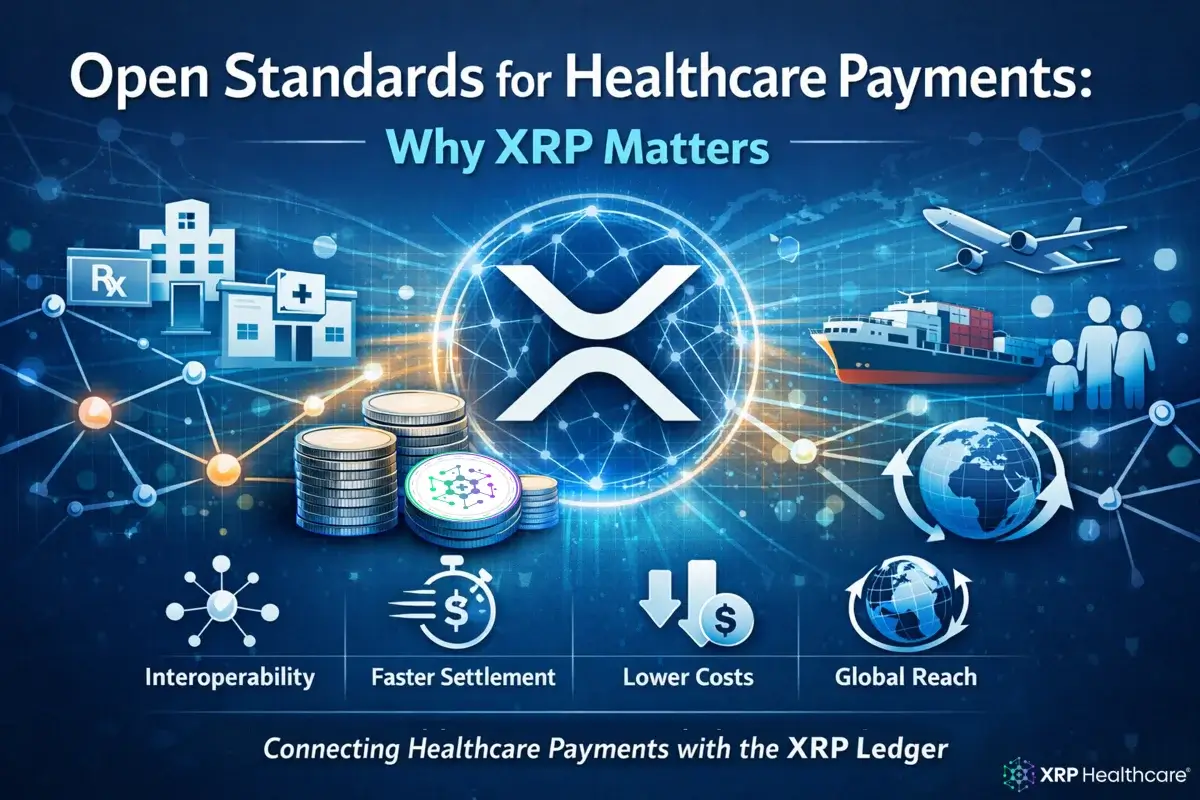
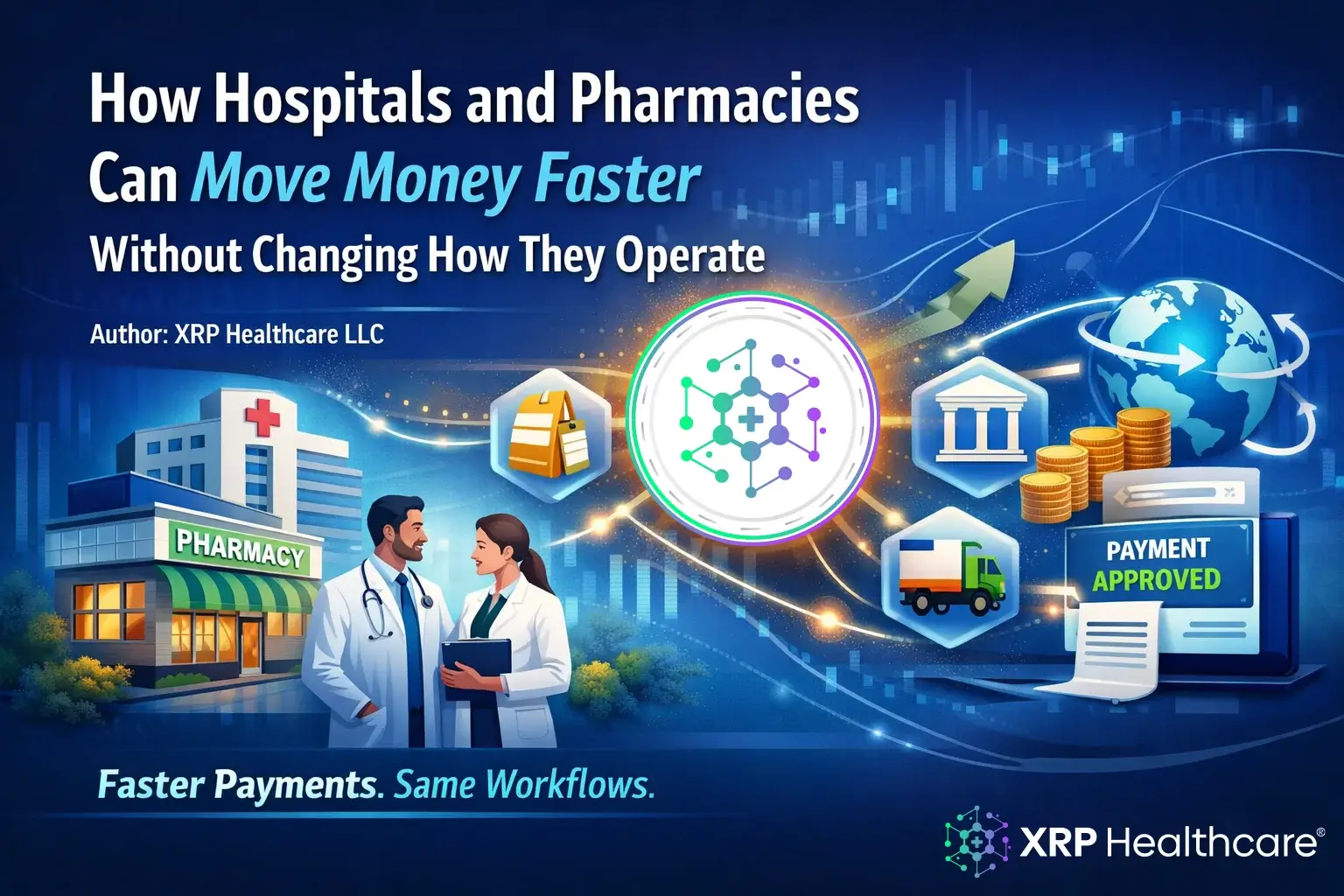
Healthcare finance involves a diverse array of transactions, from patient payments and provider settlements to supplier invoices and cross-border transfers. Traditional financial systems often struggle with slow processing times, high fees, and reconciliation challenges. As the healthcare industry embraces digital transformation, blockchain technologies offer a compelling alternative.
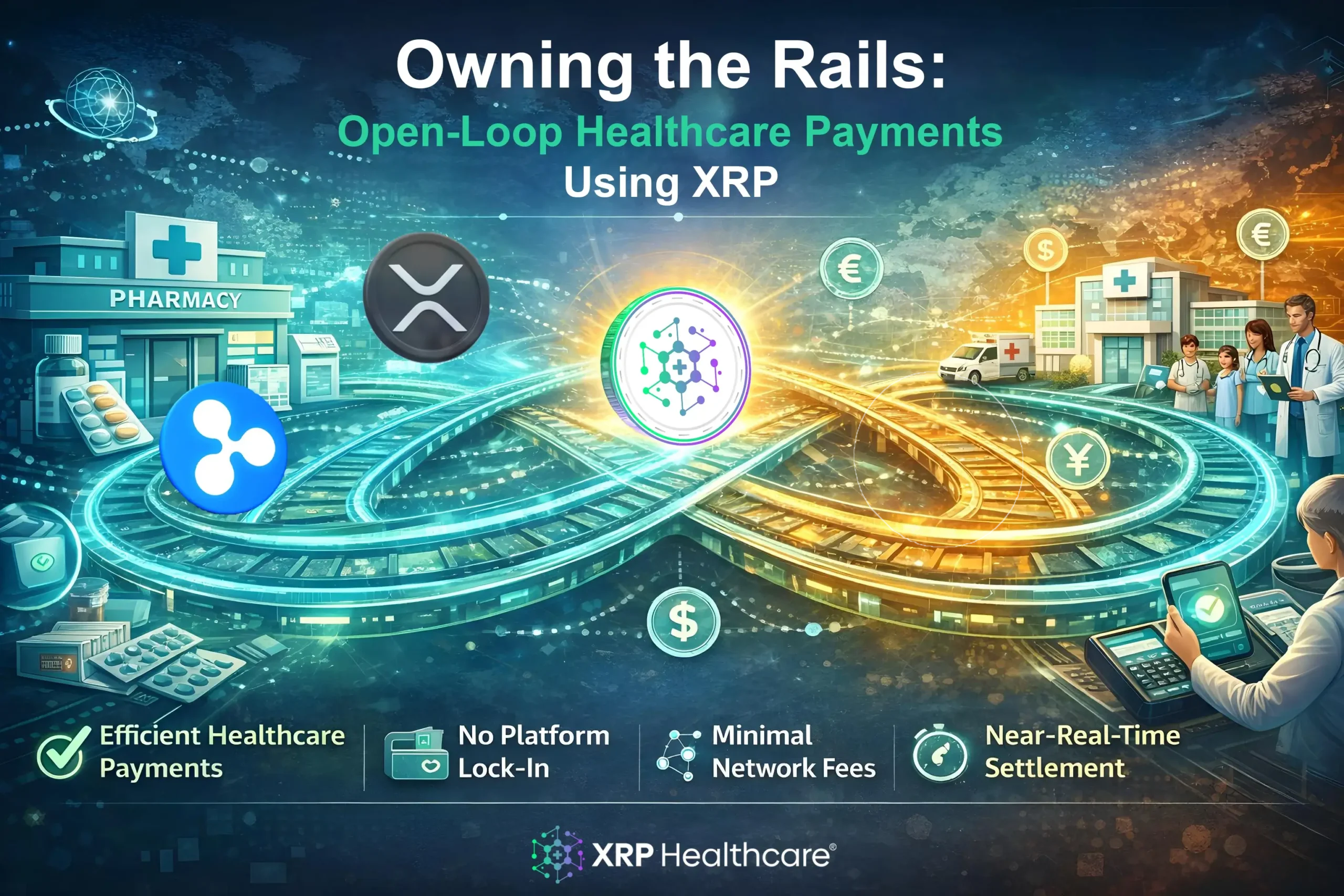
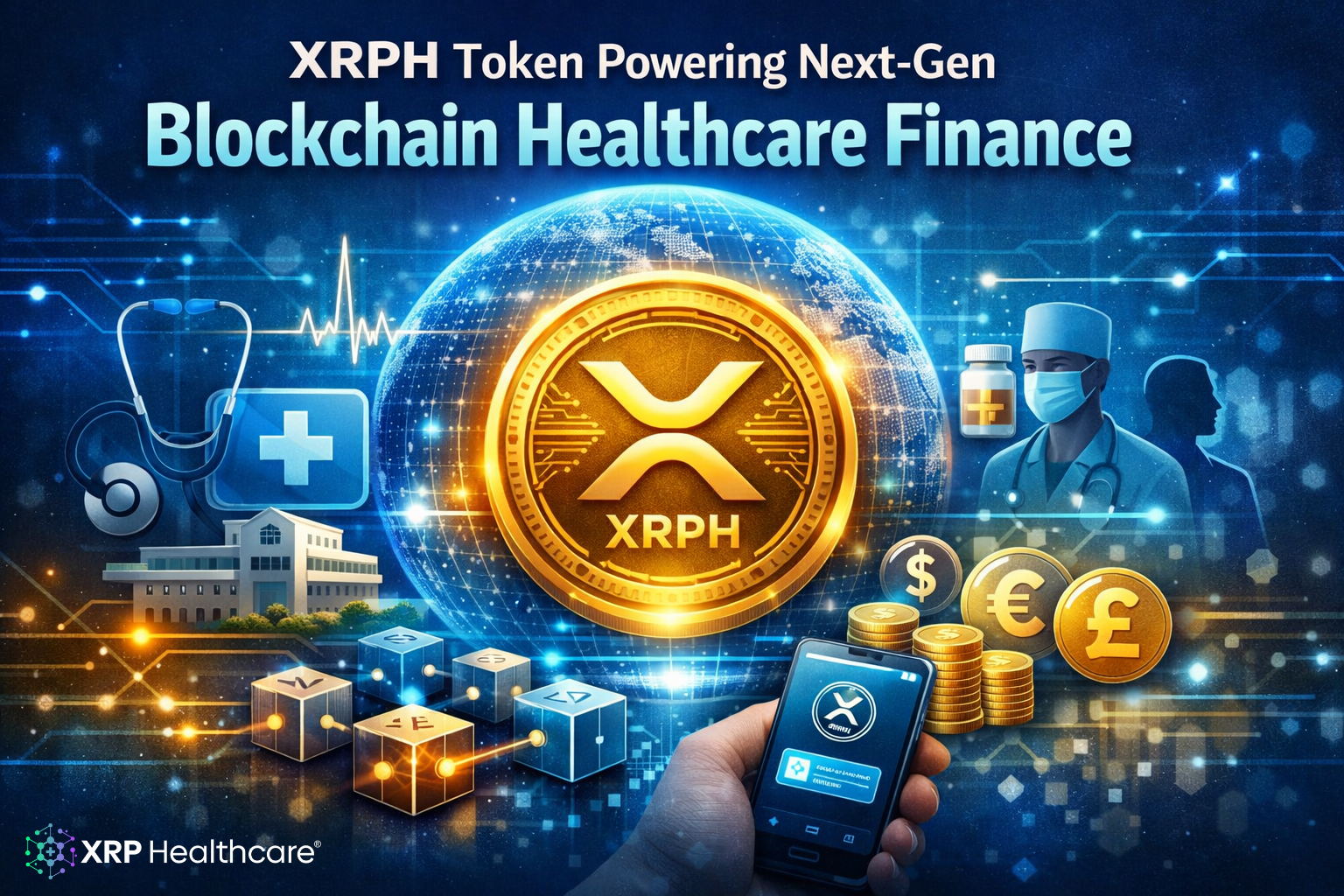
At the core of this transformation is the XRPH token, which functions as a utility layer within healthcare financial ecosystems built on the XRP Ledger (XRPL).XRPH focuses on operational utility rather than speculation, enabling secure, fast, and low-cost transactions across multiple stakeholders.
This article examines the role of the XRPH token as a utility layer in healthcare finance, its benefits, and real-world applications.
Understanding XRPH and Its Purpose
The XRPH token is a utility token issued on the XRP Ledger by XRP Healthcare LLC. It has a fixed total supply of 100 million, and the issuing account was permanently disabled upon deployment, preventing further minting. This fixed supply reinforces predictability and governance integrity. XRPH is not intended as a security or investment asset. Instead, it serves to facilitate actual transaction flows, incentives, and operational functions within healthcare ecosystems. This utility focus contrasts sharply with speculative cryptocurrencies and aligns XRPH with practical financial infrastructure.
Official resources for XRPH include:
🔹 https://xrphtoken.com/
🔹 https://www.xrphealthcare.ai/
The Role of Blockchain in Modern Healthcare Finance
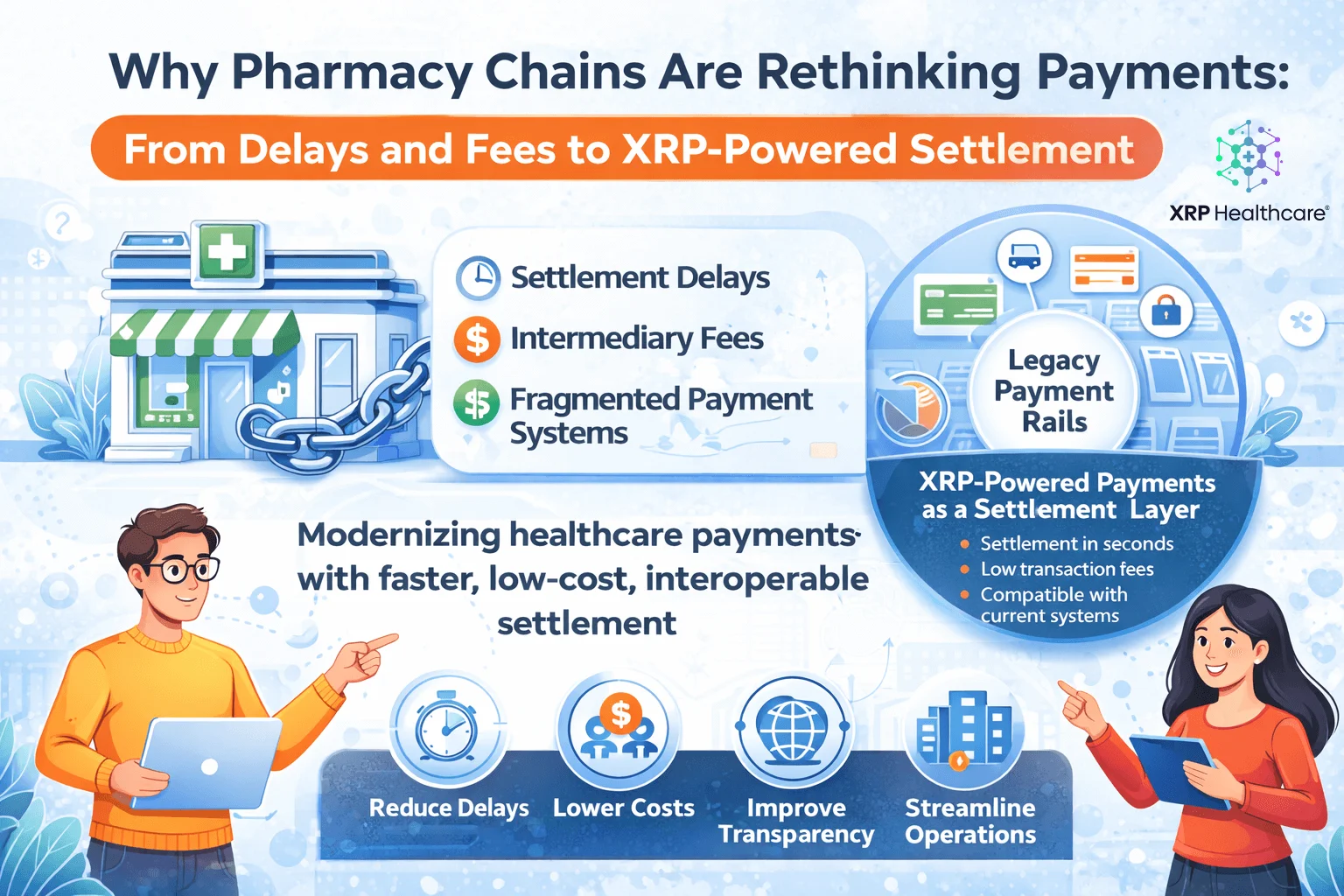
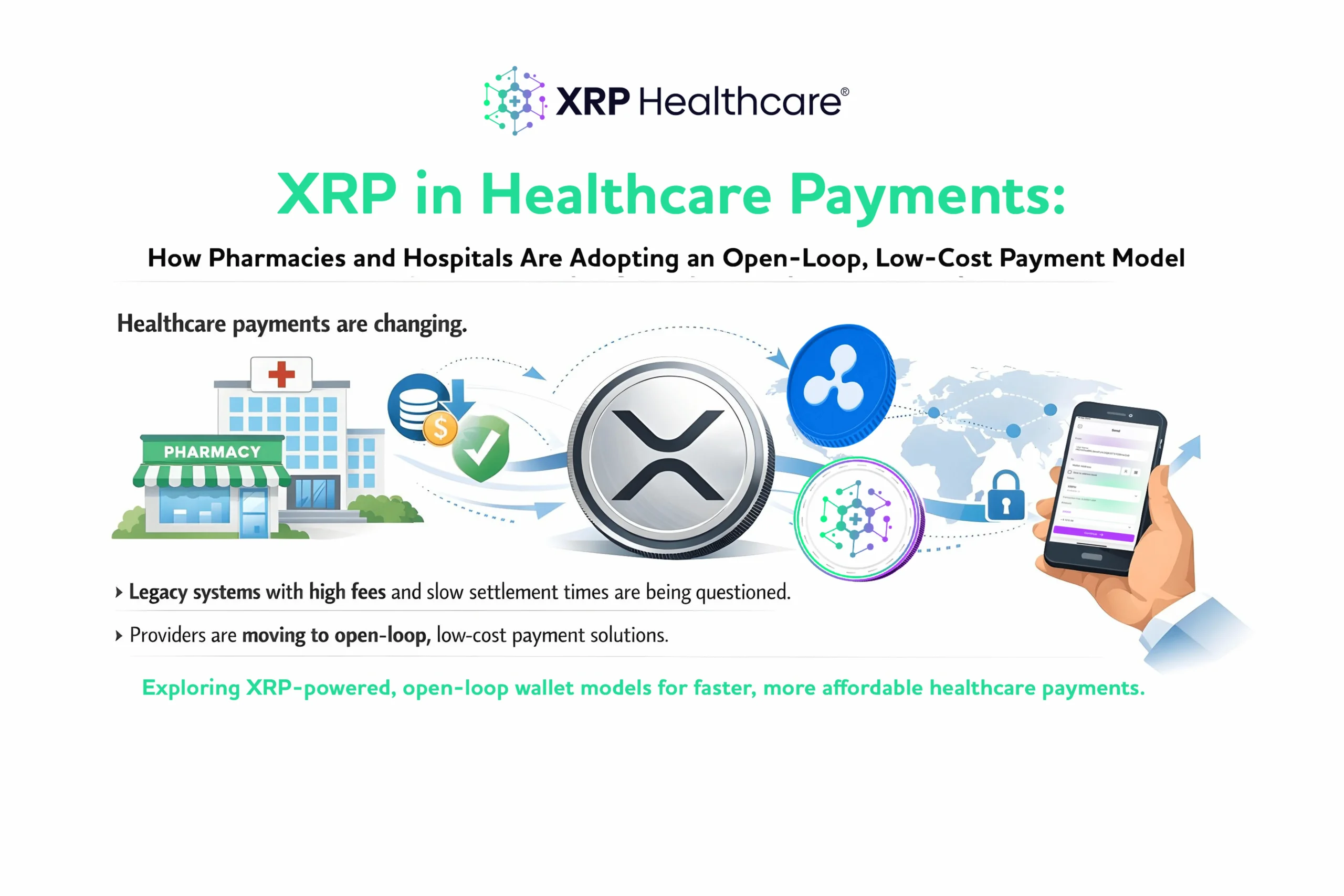
Healthcare finance systems encounter challenges, including procedural inefficiencies, fragmented payment workflows, and opaque transaction statuses. Traditional methods, such as bank transfers and card networks, involve intermediaries, which can lead to delays and additional fees.
Blockchain’s decentralized and immutable ledger technology can address these barriers by streamlining settlement, enhancing transparency, and enabling real-time payment verification. According to industry analysis, blockchain has the potential to improve transparency and reduce administrative overhead in healthcare financial systems. (Source: Investopedia — Healthcare Blockchain Use Cases https://www.investopedia.com/healthcare-blockchain-use-cases-8355392)
Why the XRP Ledger Makes a Difference
The XRP Ledger (XRPL) supports native tokens like XRPH and is optimized for payments. It offers:
- Fast settlement times (typically seconds rather than days)
- Low and predictable fees
- High transaction throughput
- Decentralized consensus without energy-intensive mining
These characteristics make XRPL particularly suited for high-volume financial applications such as healthcare payments and settlements. (Source: XRPL Official Documentation https://xrpl.org/)
XRPH as a Utility Layer in Healthcare Finance
1. Enabling Cost-Effective Payments
As a utility token, XRPH enables low-fee, frictionless payments within healthcare networks. Whether patients are paying for services, labs are settling with distributors, or providers are reconciling invoices, XRPH reduces the cost burden that typically accompanies traditional payment rails.
XRPH transactions executed on XRPL benefit from minimal network fees and rapid settlement, empowering healthcare organizations with efficiency and savings.
2. Facilitating Wallet-Based Transactions
The XRPH Wallet is a non-custodial wallet solution designed for healthcare payment activity. It allows users to hold and transfer XRPH, XRP, or XRPL-based stable assets securely.
How Wallet Transactions Work
- Users retain control: Private keys remain with the user, ensuring autonomy and security.
- Invoice integration: Payment memos and invoice identifiers can be embedded in transactions for easier reconciliation.
- Cross-asset support: Wallets can handle XRPH alongside other ledger assets like XRP and RLUSD stablecoins.
This utility function transforms the wallet from a simple asset holder into a transactional tool within healthcare finance.
3. Accelerating Cross-Border Settlements
Healthcare transactions increasingly operate across borders, for telemedicine, international patient care, or global supplier payments. Traditional cross-border systems can be slow and costly due to intermediaries and currency conversion fees.
With XRPH and XRPL, cross-border settlement becomes more efficient:
- Low costs: minimal cross-border fees
- Faster settlement: global payments finalize in seconds
- Currency interoperability: XRPL supports multi-asset payments
This capability helps healthcare entities operate seamlessly across jurisdictions without unnecessary delays.
4. Supporting B2B Reconciliation and Liquidity
Healthcare ecosystems involve frequent business-to-business (B2B) transactions for pharmaceuticals, medical device supplies, and service contracts.
Utilizing XRPH as a payment medium allows organizations to:
- Reconcile transactions faster due to blockchain timestamps
- Verify payment authenticity via immutable ledgers
- Manage working capital through predictable, rapid settlement
These features strengthen financial operations and reduce administrative overhead.
5. Integration With Incentive and Savings Programs
Beyond payment settlement, XRPH can support value-added utility within healthcare financial systems. For instance, incentive programs like prescription discount cards can be integrated with XRPH rewards, encouraging patient engagement and reducing out-of-pocket costs.
These utility functions demonstrate how XRPH can extend beyond transaction settlement to ecosystem participation incentives.
Security, Transparency, and Compliance
Blockchain’s immutable ledger enhances transparency and auditability, enabling healthcare organizations to track transaction histories without exposing sensitive health data. It is important to clarify that while blockchain supports transparency, it does not replace compliance frameworks such as HIPAA or financial regulations. Instead, XRPH’s utility layer provides financial record integrity, aiding compliance and auditing processes.
For additional insight into blockchain’s broader applications in healthcare finance, see:
👉 Blockchain in Healthcare Research https://arxiv.org/abs/1812.02776
XRPH Versus Speculative Tokens
Unlike many cryptocurrencies driven by market speculation, XRPH is designed for utility and operational use. It does not confer ownership rights or promise returns, making it more suitable for integration into regulated financial workflows.
This utility-first design positions XRPH as a stable and practical tool for healthcare finance, rather than an investment token.
Conclusion
The XRPH token serves as a foundational utility layer within blockchain-based healthcare finance. By enabling low-cost, fast, and secure transactions on the XRP Ledger, XRPH supports payments across patients, providers, suppliers, and global services. Through wallet integration, cross-border settlement capabilities, reconciliation efficiency, and incentive support, XRPH illustrates how blockchain can transform healthcare financial infrastructure, emphasizing practicality and real-world utility over speculation.
As healthcare systems continue to adapt to digital financial demands, XRPH represents a scalable and cost-efficient solution that enhances operational finance at every level of the ecosystem.