What Is a Pharmacy Network?
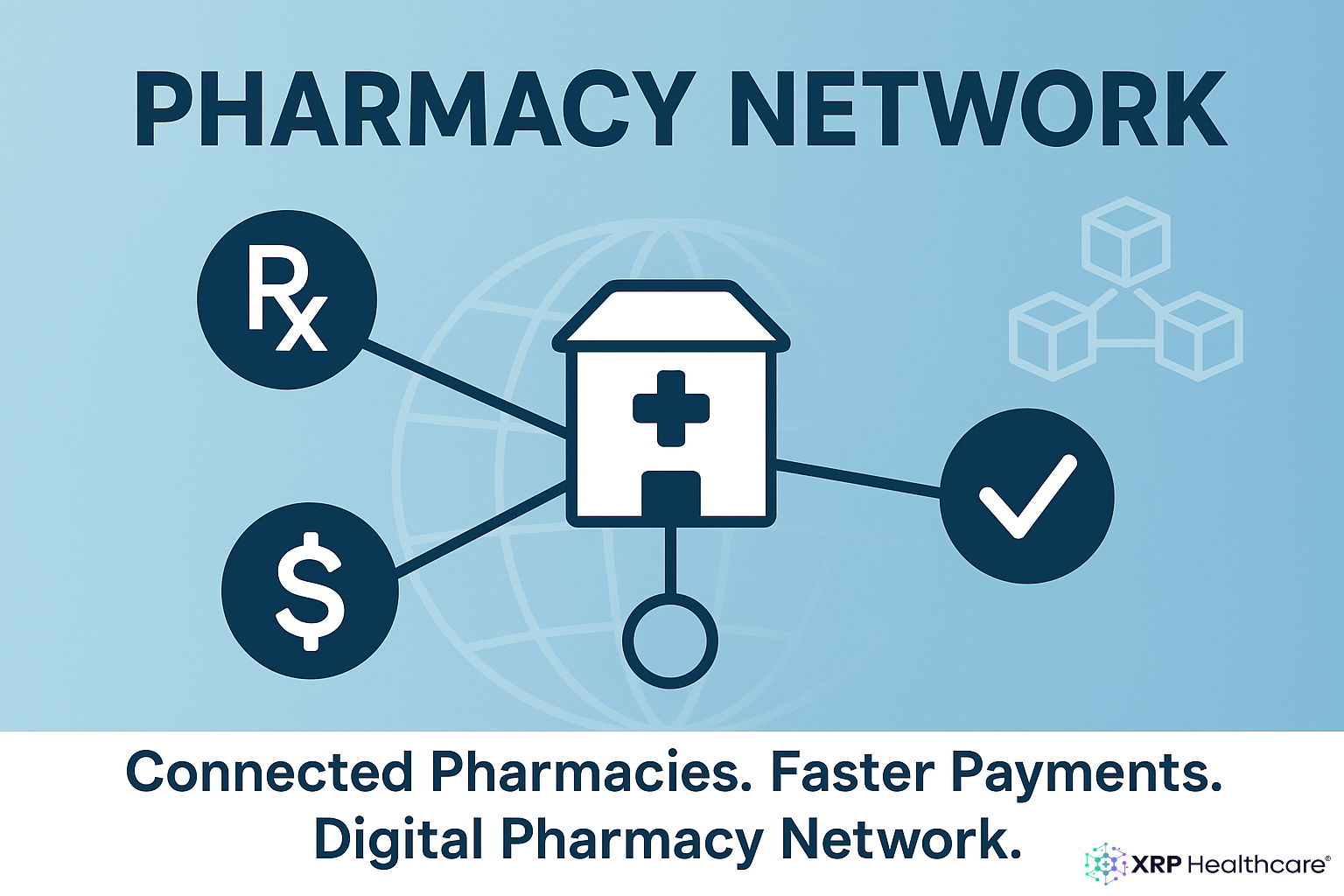
A pharmacy network is a group of pharmacies connected by contracts or systems. These pharmacies work together. They share pricing deals. They serve patients with medicines and health services. Networks can include retail, independent, and clinic pharmacies. This setup helps manage costs and improve access to medications. (Wikipedia)
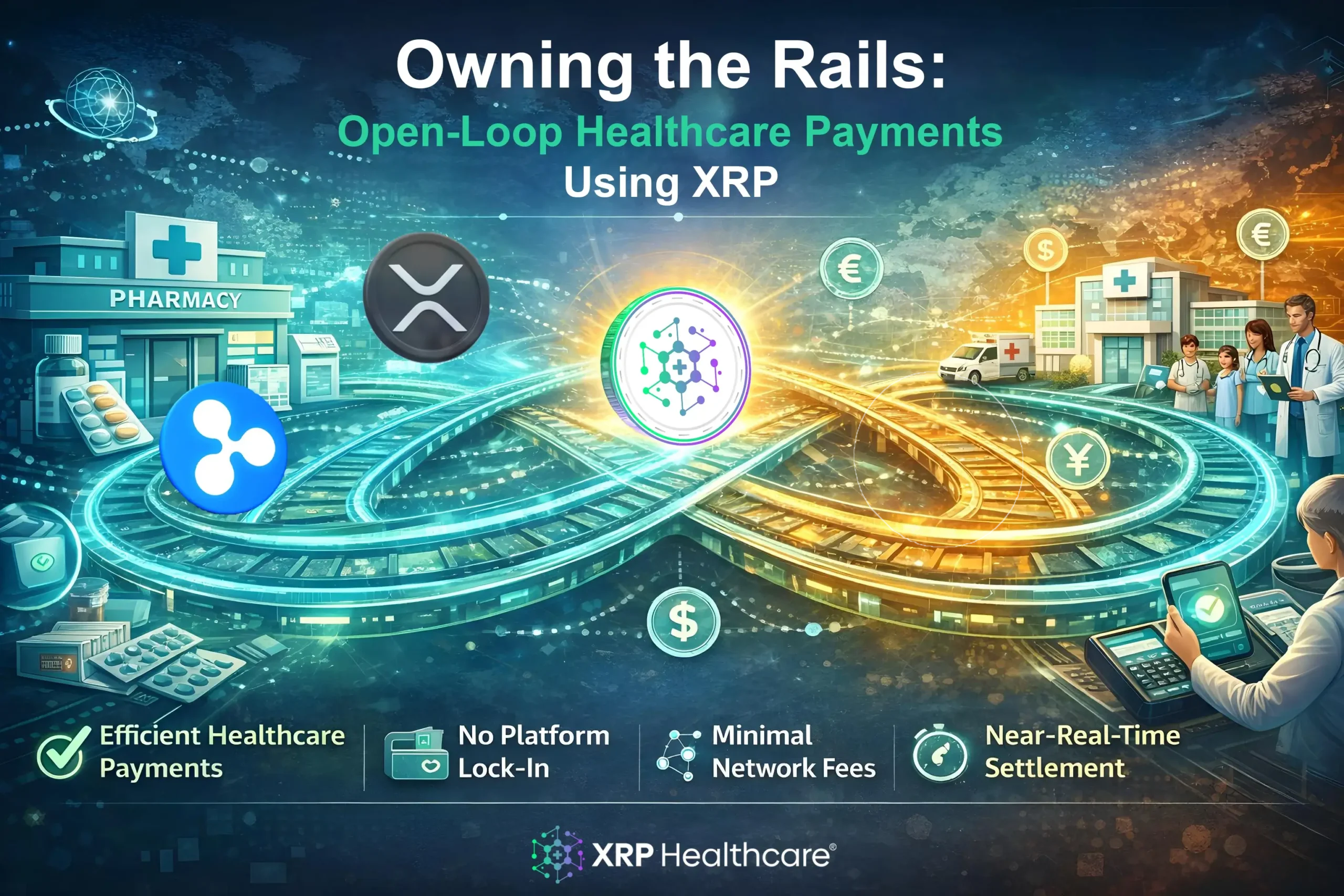
In modern healthcare, pharmacy networks connect payment systems, supply chains, and digital tools. One emerging solution uses blockchain for fast and transparent payments. (XRP Healthcare LLC)
How Blockchain Enhances a Pharmacy Network
Fast & Low-Cost Payments
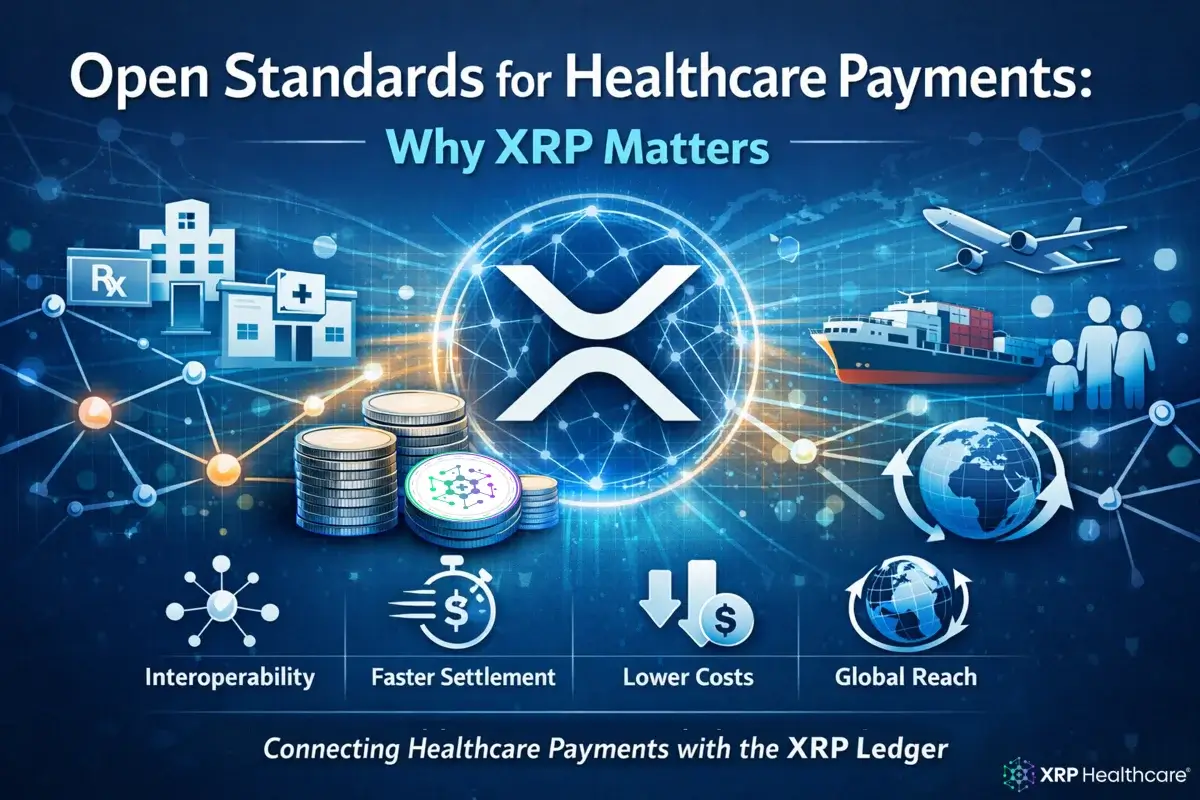
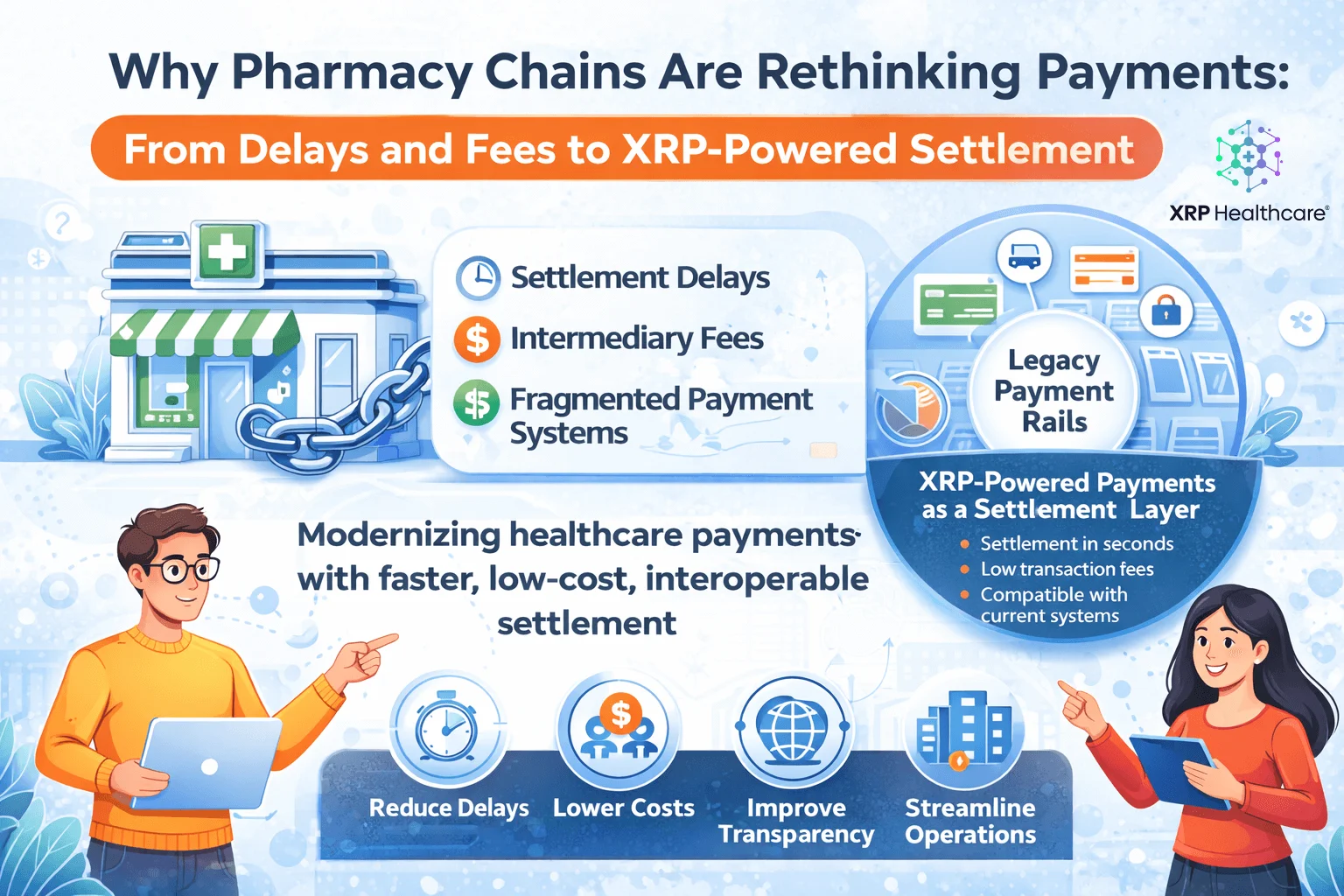
The XRPH Wallet, part of the XRP Healthcare ecosystem, enables real-time payments within a pharmacy network. Payments settle in seconds, not days. Fees are very low, often less than $0.001 per payment. (PR Newswire)
This represents a significant improvement over legacy systems, such as credit cards or bank transfers, which can take days and incur higher fees.
Secure & Transparent Records
Blockchain makes all payments visible and unchangeable on the ledger. This gives pharmacies and clinics proof of payment and clear audit trails. It increases trust. (EIN News)
This transparency also helps with billing and reconciliation across a wide pharmacy network.
Global Reach & Cross-Border Support
Pharmacy networks often span countries. XRPH Wallet supports XRP, XRPH, and RLUSD tokens. These help connect global pharmacies without legacy banking delays.
Cross-border pharmacy payments become faster and easier.
Real Use Cases in Pharmacy Networks
U.S. & Africa Expansion
XRP Healthcare LLC expanded the open-source XRPH Wallet into the U.S. pharmacy market. It also launched in East African clinics and distribution networks. (PR Newswire)
These expansions help pharmacies link into a digital payment network. They reduce delays and cost for both suppliers and patients.
Prescription Savings Programs
Some affiliated systems offer tools like the XRPH Prescription Savings Card. This card works at tens of thousands of pharmacies in the U.S. and can help reduce drug costs at checkout. (XRP Healthcare®️)
These programs increase access and strengthen the pharmacy network.
Benefits of a Modern Pharmacy Network
- Lower costs for patients and providers.
- Faster payments compared with legacy systems.
- Secure, auditable records on a decentralized ledger.
- Improved access to drugs across regions.
- Better supply-chain cooperation among pharmacies.
Challenges & Considerations
Regulatory Compliance
Pharmacy networks must follow local laws and healthcare rules. Payment tools must fit with privacy and financial regulations.
Tech Adoption
Some pharmacies need training and integrations to use digital payment tools. Blockchain solutions must be integrated into their systems.
Conclusion
A pharmacy network can be transformed with modern payment infrastructure. Solutions like the XRPH Wallet make payments fast and transparent. This unlocks better financial flow and collaboration across pharmacies. As healthcare goes digital, networks that adopt these tools can offer better value and service.