Introduction
Healthcare and medicine prices remain out of reach for many globally. High costs come from supply-chain inefficiencies, expensive payment processes, and a lack of access, especially in emerging markets. The blockchain-based project XRP Healthcare (with its token XRPH) aims to change that by offering a fast, low-cost payment + healthcare ecosystem across borders. (XRP Healthcare LLC)
In this article, we examine how XRPH works and how it can help make medicines and healthcare more affordable and accessible worldwide.
What is XRPH and how does It Work
XRPH: A Healthcare-Focused Blockchain Ecosystem
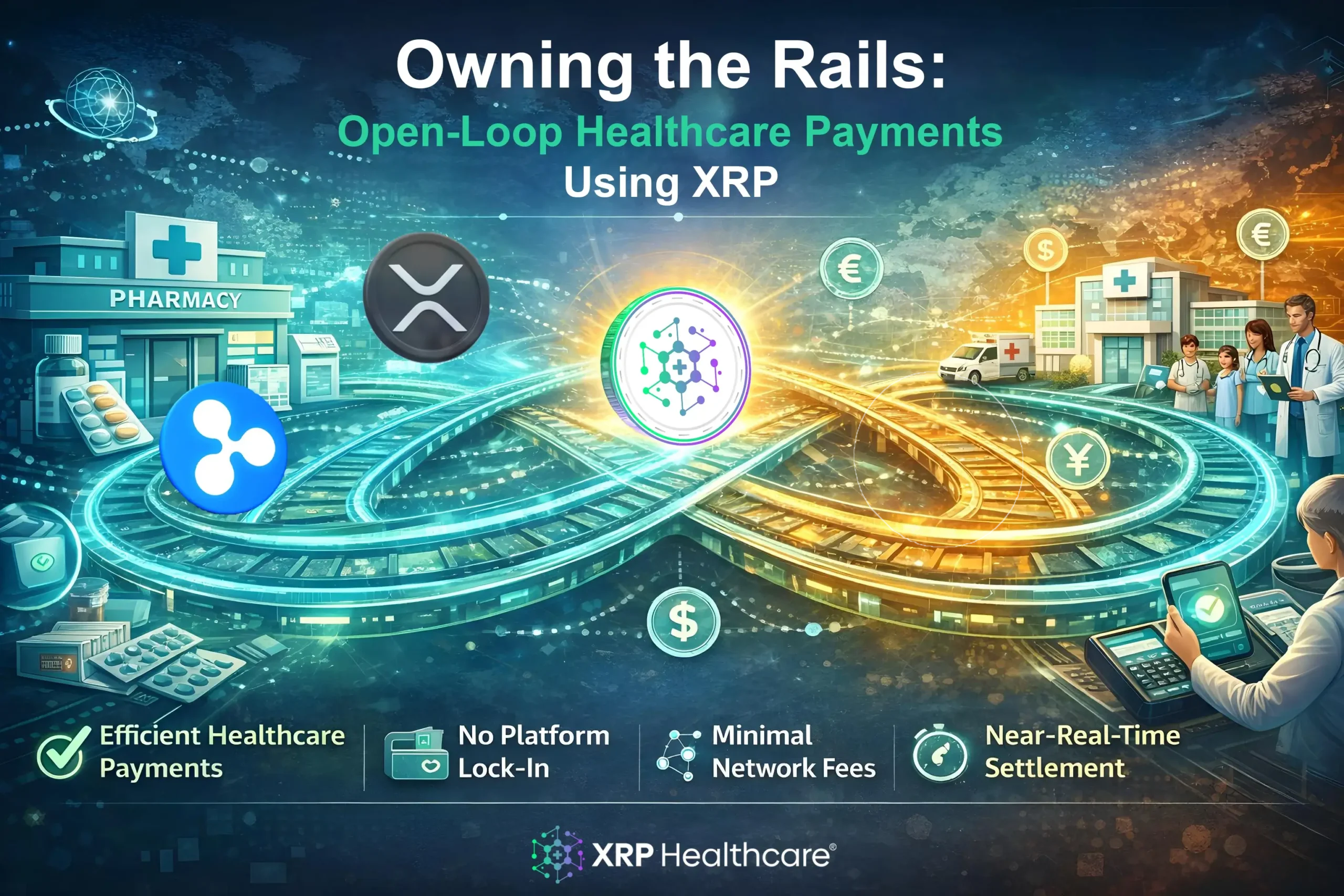
XRPH is part of XRP Healthcare’s ecosystem built on the XRP Ledger (XRPL). The system includes the XRPH Wallet, the XRPH token itself, and a companion AI-powered app (XRPH AI App) for broader healthcare services. The XRPH Wallet lets pharmacies, clinics, hospitals, and patients send or receive payments in XRP, XRPH or a stablecoin (RLUSD). Transactions settle in 3–5 seconds with extremely low fees (fractions of a cent). (PR Newswire)
XRPH has a fixed total supply, only 100 million tokens ever issued, and the issuing account has been “black-holed,” meaning no new XRPH can be minted. (XRP Healthcare®️)
How XRPH Helps Reduce Medicine & Healthcare Costs
Instant, Ultra-Low-Cost Payments
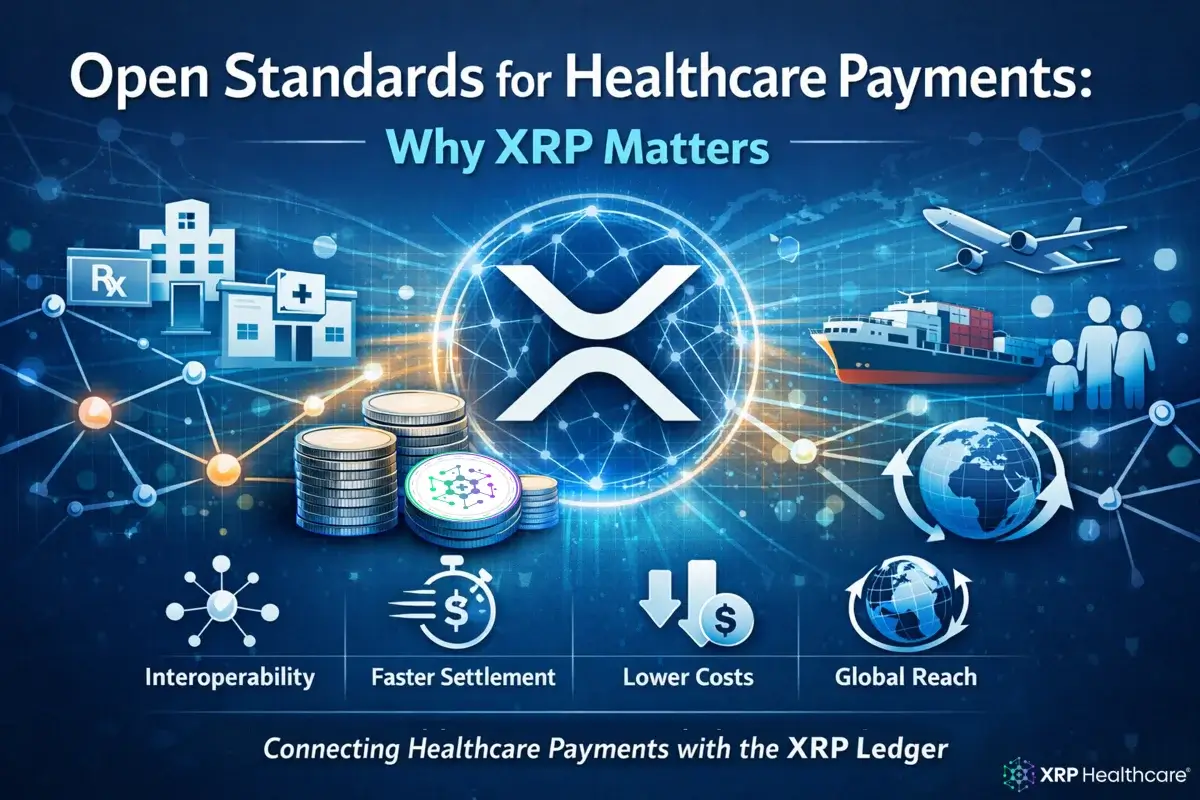
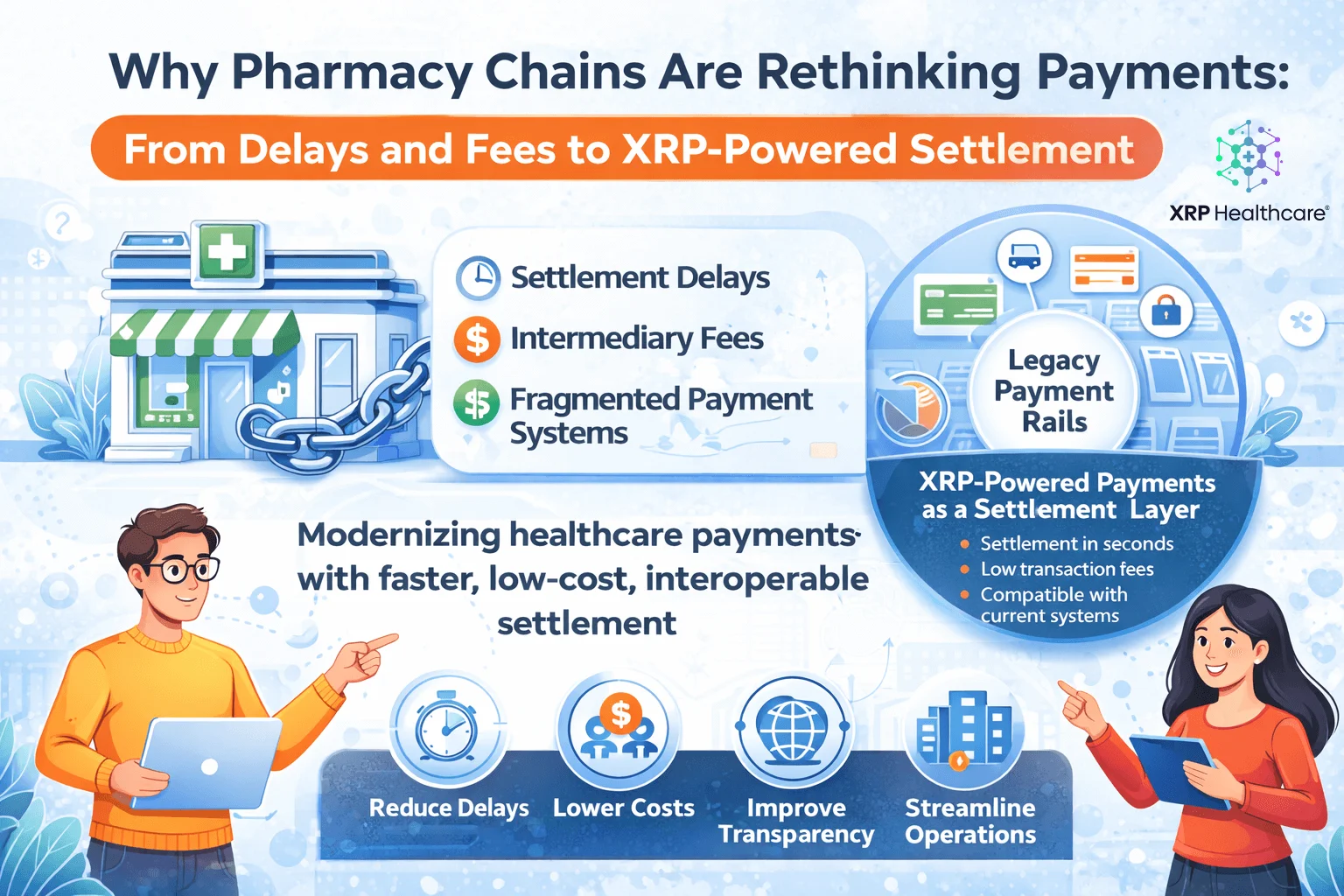
Traditional payment systems (bank transfers, cards) involve processing fees (often 1.5–3.5%) and delays due to settlement times (T+1, T+2). These costs add overhead to pharmacies, suppliers, and hospitals, often passed on to patients. XRPH Wallet changes that by enabling instant payments (3–5 seconds) with fees of less than $0.001 per transaction. (PR Newswire)
By lowering transaction overhead, pharmacies and healthcare providers can reduce their operating costs — savings that can translate into lower prices for medicines and medical services.
Simplified, Transparent Infrastructure & Reduced Admin Costs
XRPH Wallet is open-source, non-custodial (users control their private keys), and is designed with HIPAA-grade architecture. Patient data or protected health information (PHI) is not stored on XRPH servers. (XRP Healthcare LLC)
This reduces administrative burden and compliance costs compared to legacy systems. Less overhead and simpler workflows allow providers to offer more competitive pricing for medicines and treatments.
Access in Under-Served & Emerging Markets
XRPH isn’t limited to developed countries. According to XRP Healthcare, XRPH Wallet and services are expanding into regions like East Africa, areas where traditional banking/payment infrastructure may be weak or costly.
By offering borderless, low-cost, secure payment tools plus an AI-powered health app tailored for patchy internet, multiple languages, and limited local healthcare access. XRPH has the potential to significantly improve affordability and access in underserved regions.
Real-World Impact: What XRPH Brings to Patients & Providers
- Pharmacies and clinics can receive payments instantly and with minimal fees, improving liquidity, reducing waiting times, and lowering overhead.
- Patients (in the U.S. and globally): It can benefit from deep discounts on medicines via the Prescription Savings Card, making treatments far more affordable.
- Under-served regions & emerging markets, get access to faster, transparent payments and AI-driven health tools, reducing barriers to medicine and care access.
- Healthcare supply chains and distributors can make cross-border payments easier and cheaper, which can reduce medicine acquisition costs and lower final medicine prices.
Challenges & Important Considerations
- Adoption is key: XRPH’s benefits only materialise if pharmacies, clinics, and distributors accept XRPH/XRP/RLUSD payments. Without wide acceptance, impact remains limited.
- Local regulation and compliance: Different countries have varying regulations for healthcare payments, crypto, and data privacy. Adoption may face regulatory hurdles.
- On/off-ramp & fiat conversion issues: For many users, converting local currency to XRPH (or vice versa) may still involve fees or require access to compliant exchanges.
- Trust & awareness: Patients and providers must trust blockchain solutions, and need education about using crypto-based wallets for healthcare.
- Global logistical and infrastructure constraints: In some regions, internet, smartphone penetration, or digital literacy may limit XRPH’s reach, especially in rural or remote areas.
Why XRPH Could Reshape Healthcare Affordability
- XRPH drastically lowers payment overhead, making medicine procurement and billing cheaper and faster.
- XRPH’s focus on emerging markets can help millions access more affordable medicines and healthcare.
Conclusion
XRPH cuts healthcare costs with fast payments and AI, making medicines cheaper and access easier. However, for its full potential to be realised, broad adoption, regulatory acceptance, and infrastructure support are essential. XRPH’s vision is promising: a global, accessible, affordable healthcare ecosystem. But the journey depends on collaboration, awareness, and trust among providers, patients, regulators, and supply-chain stakeholders.